
Last updated September 20, 2026
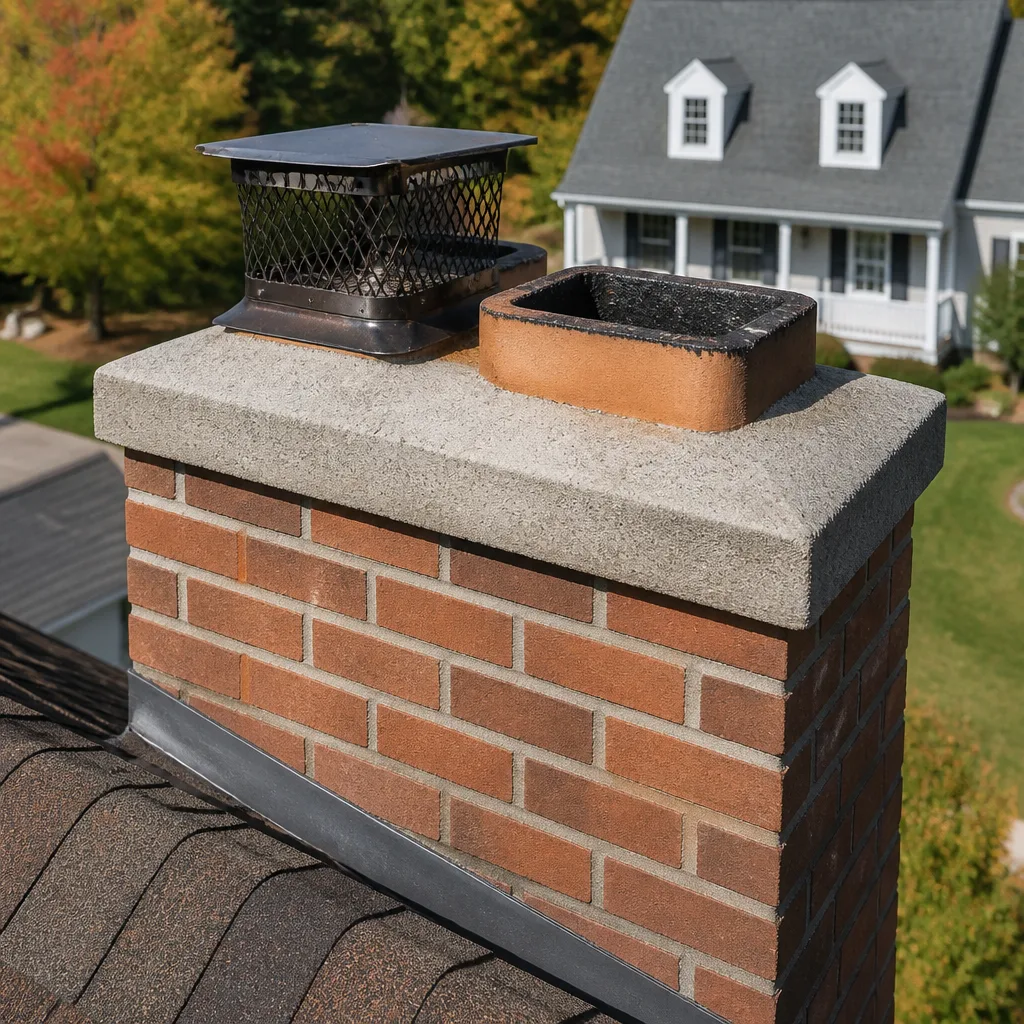
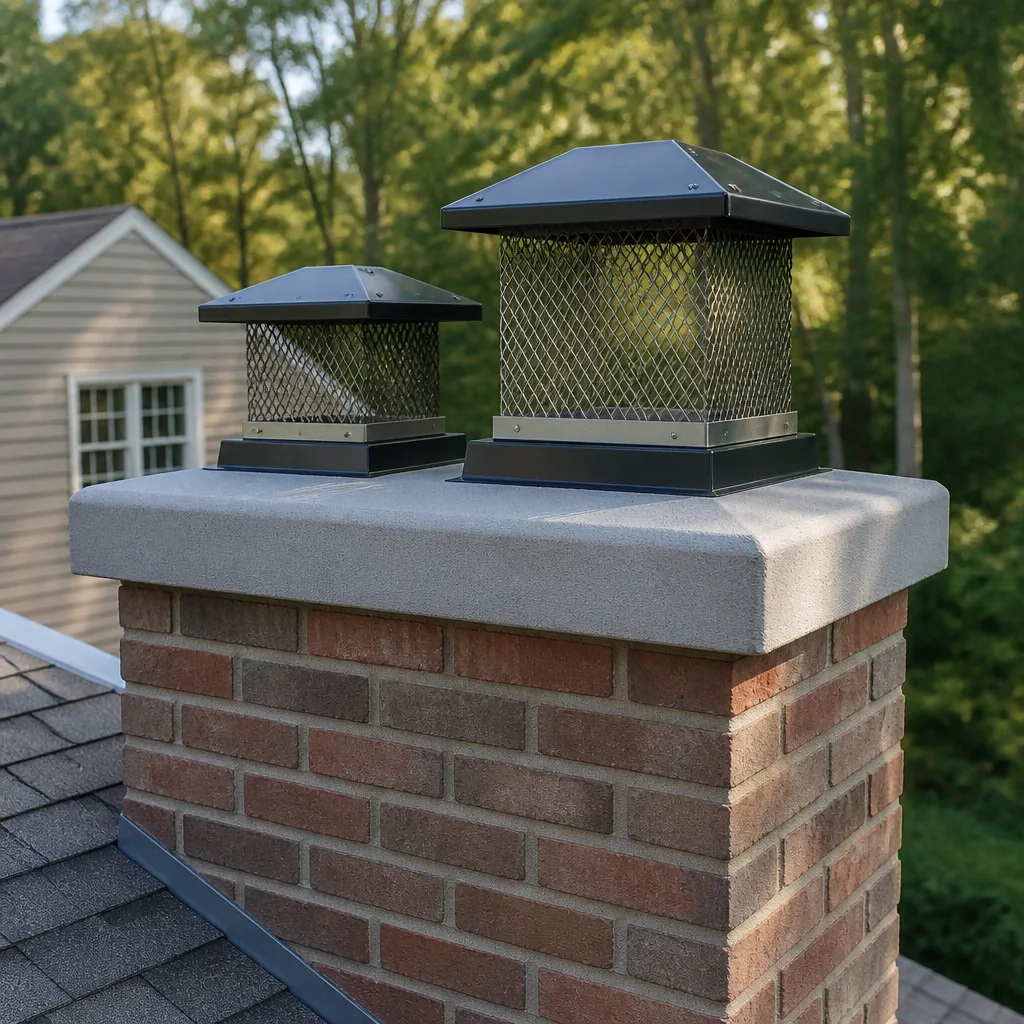
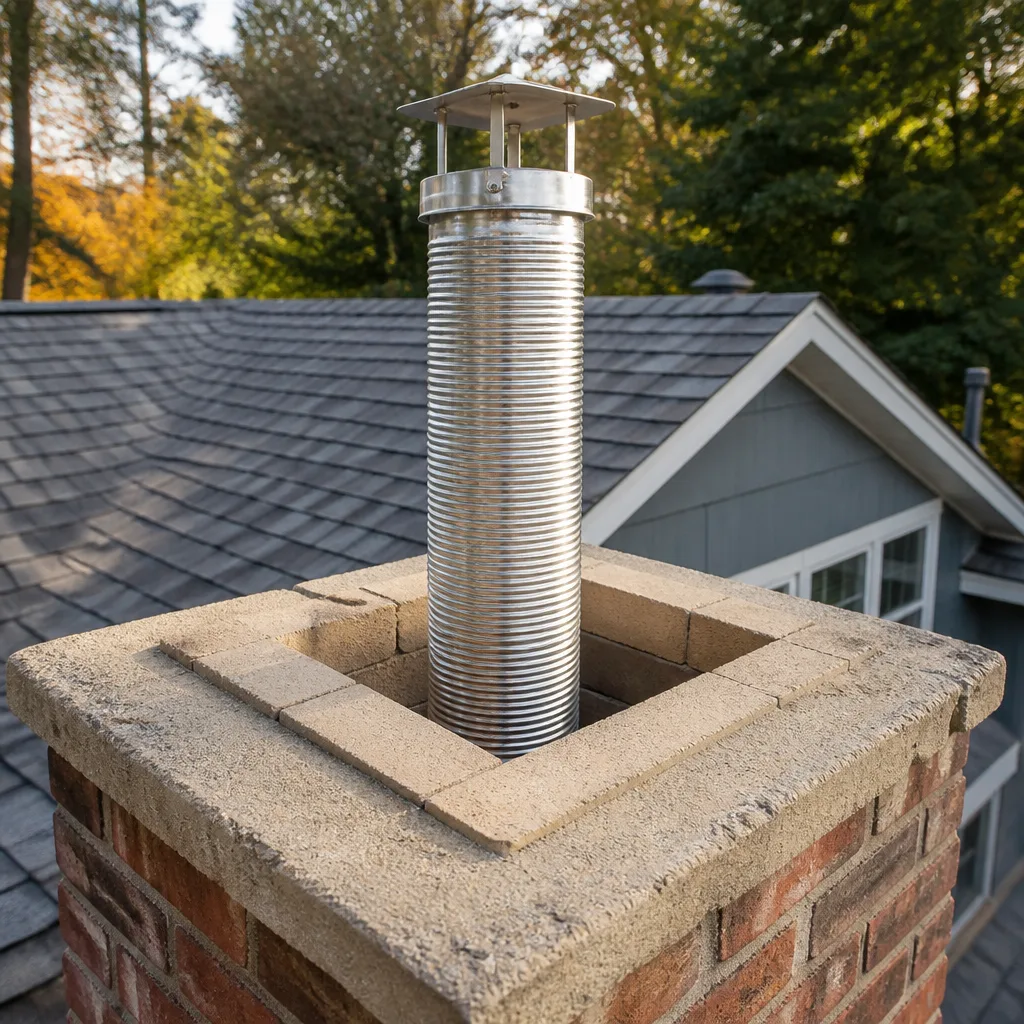
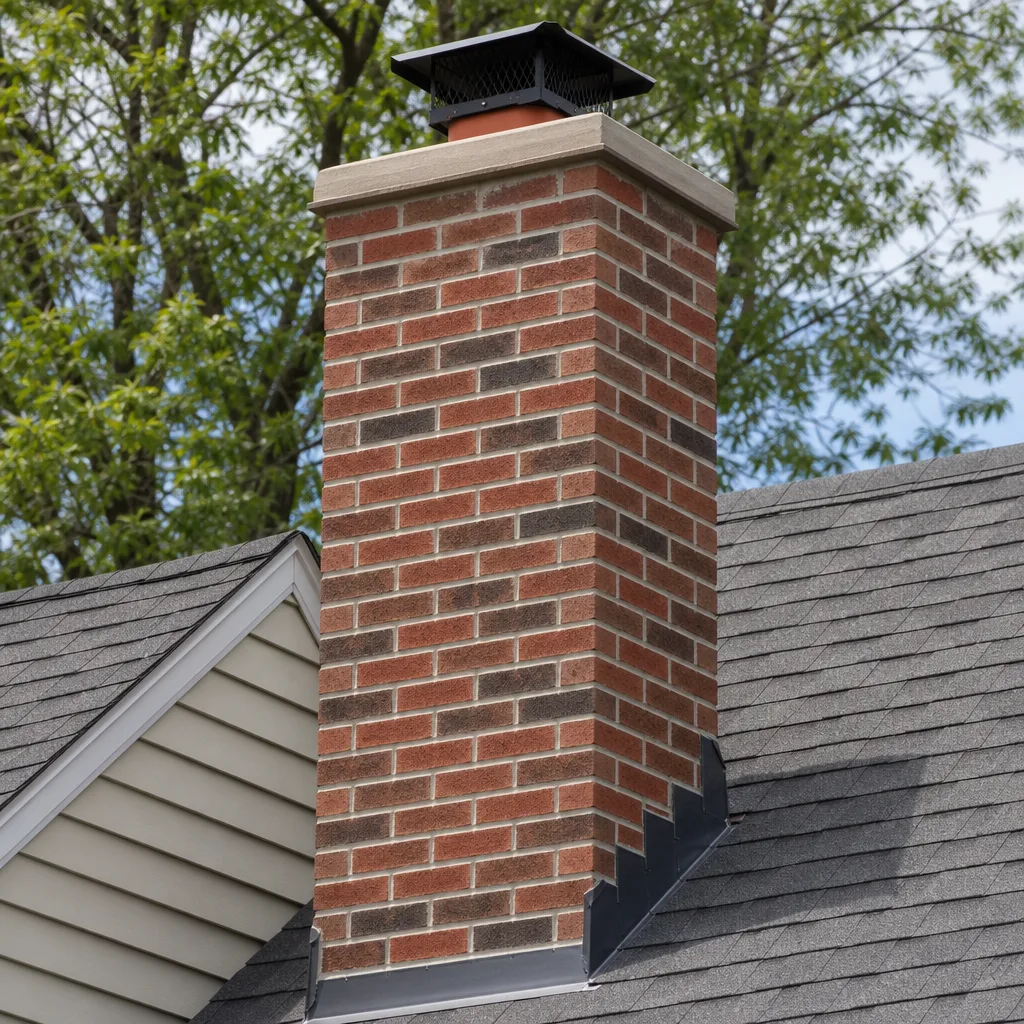
Level 1 sweep and inspection to the NFPA 211 annual standard - flue, crown, cap, and flashing checked and photographed
Chimney sweep logs do not sweep chimneys. They loosen some creosote - which then falls where a brush and vacuum still have to collect it.
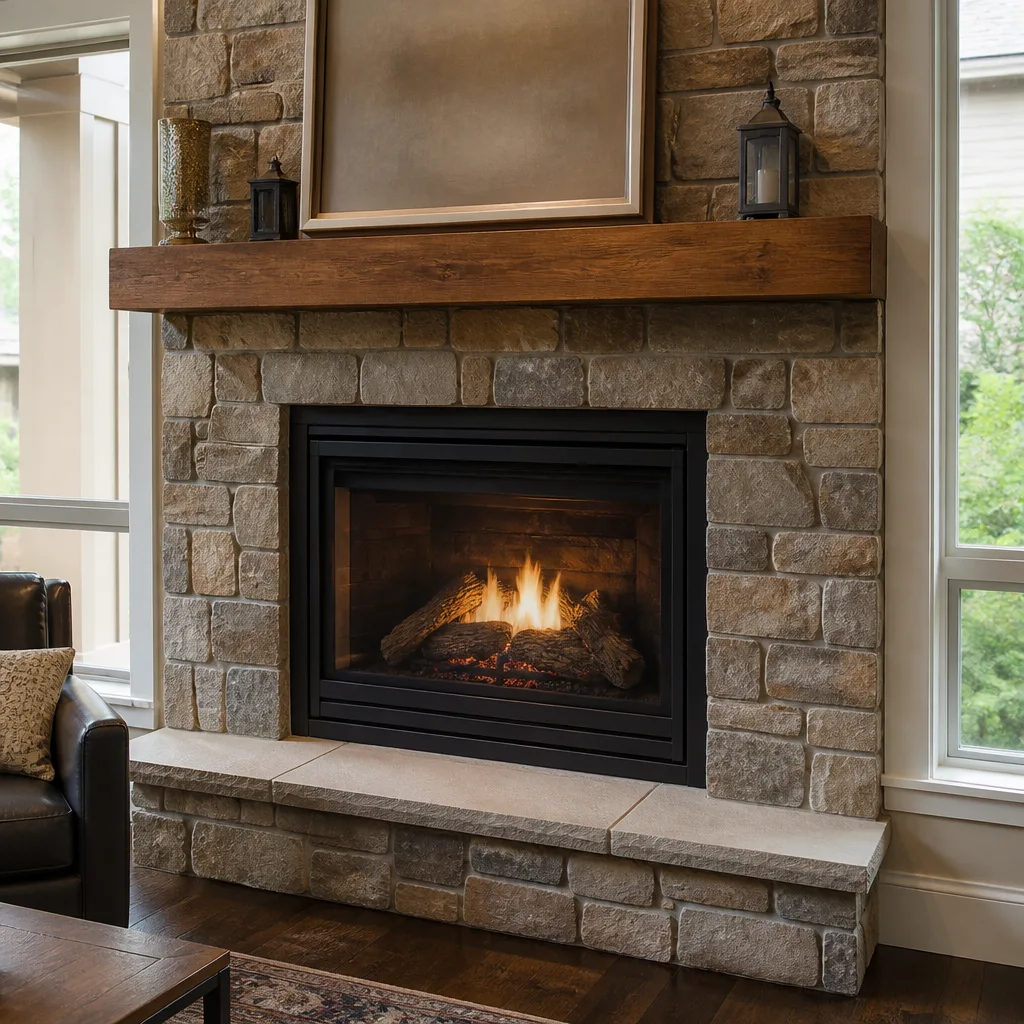
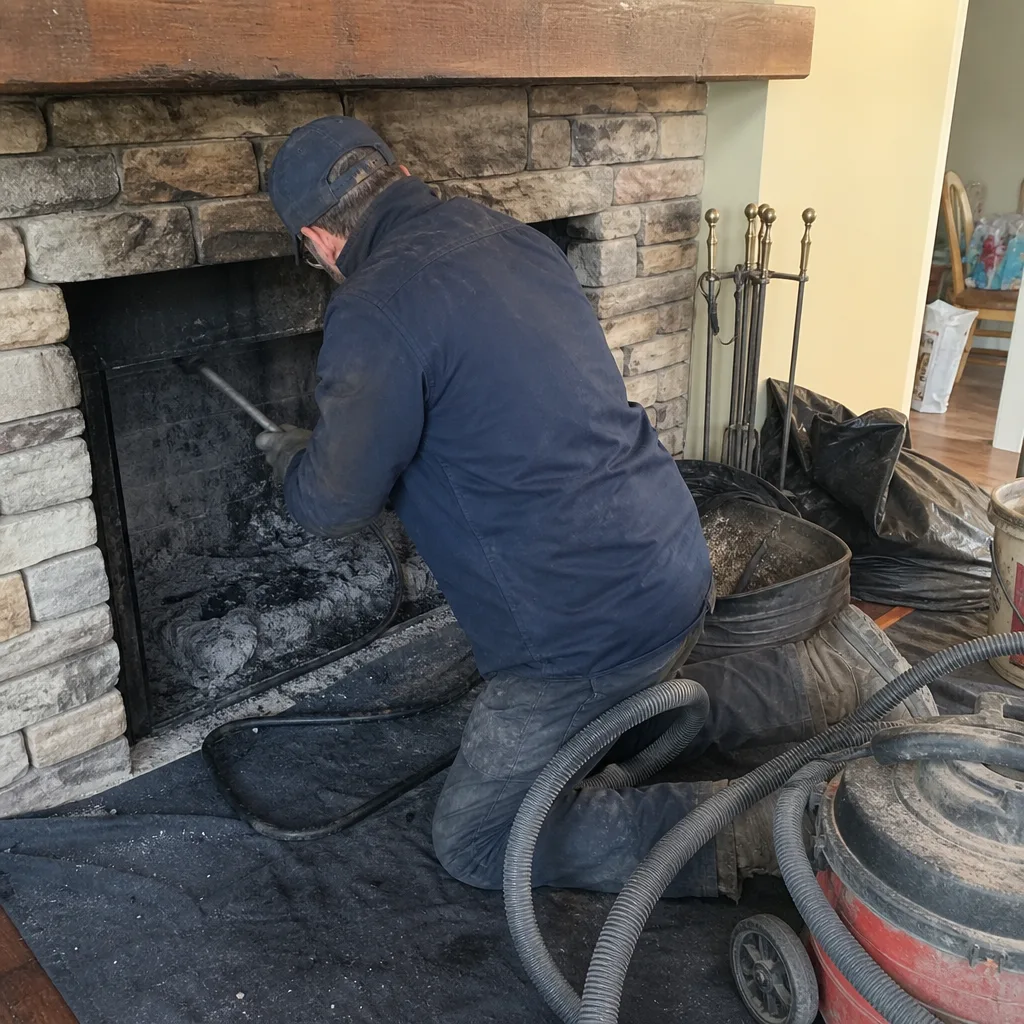 Before
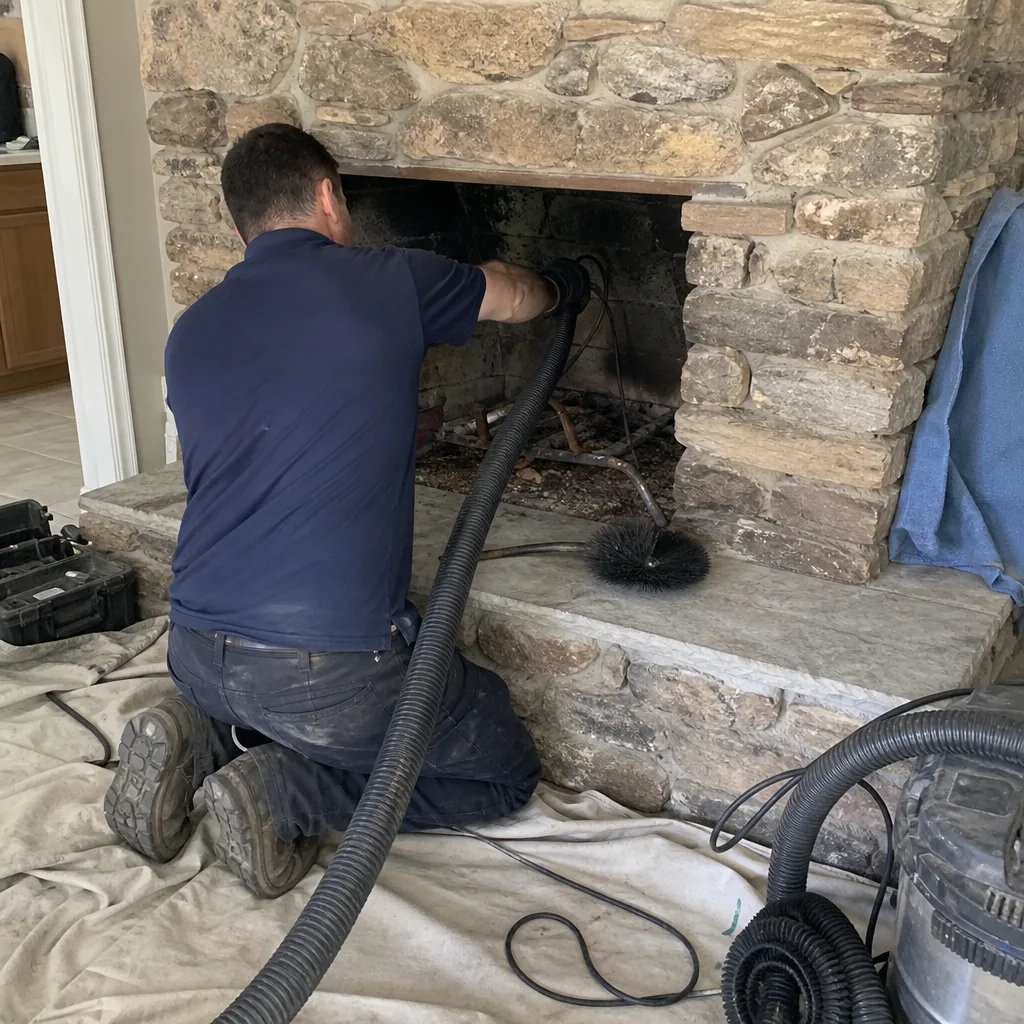 After
After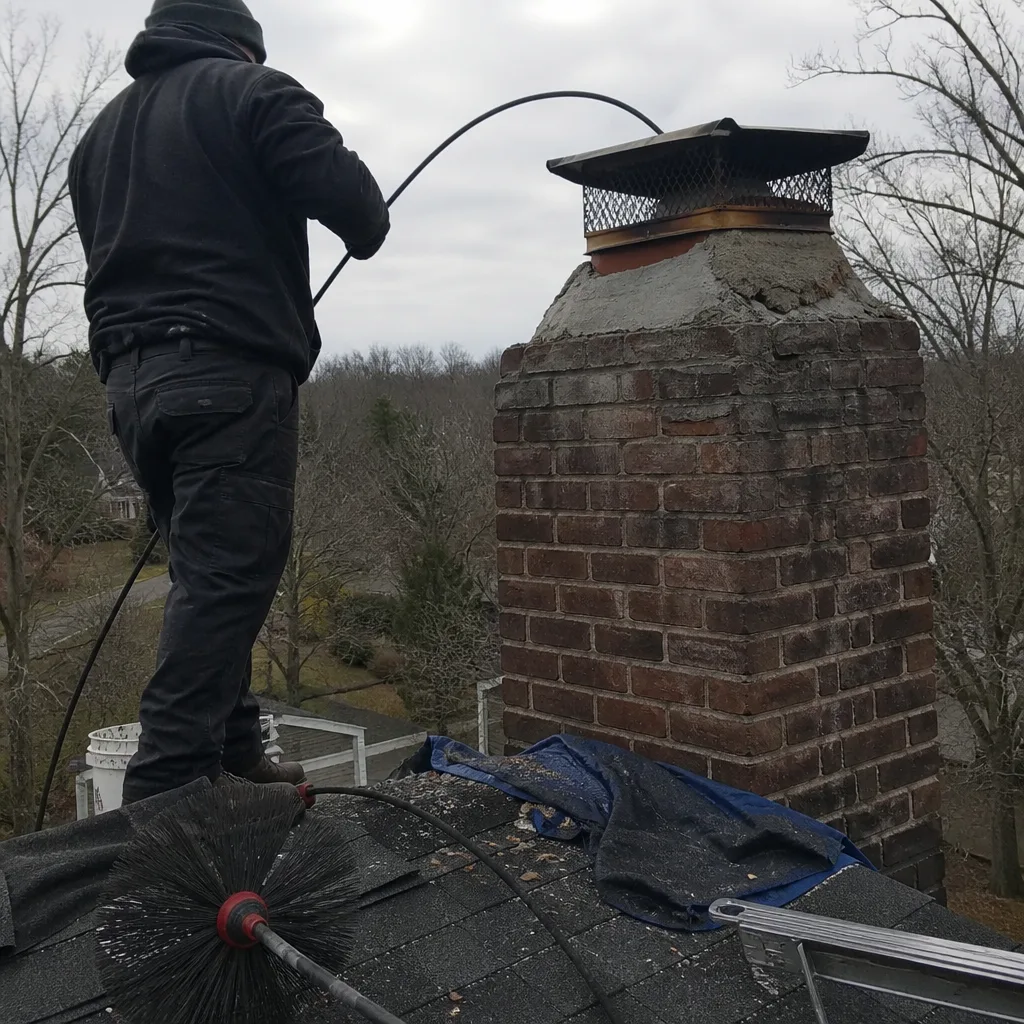 Before
 After
After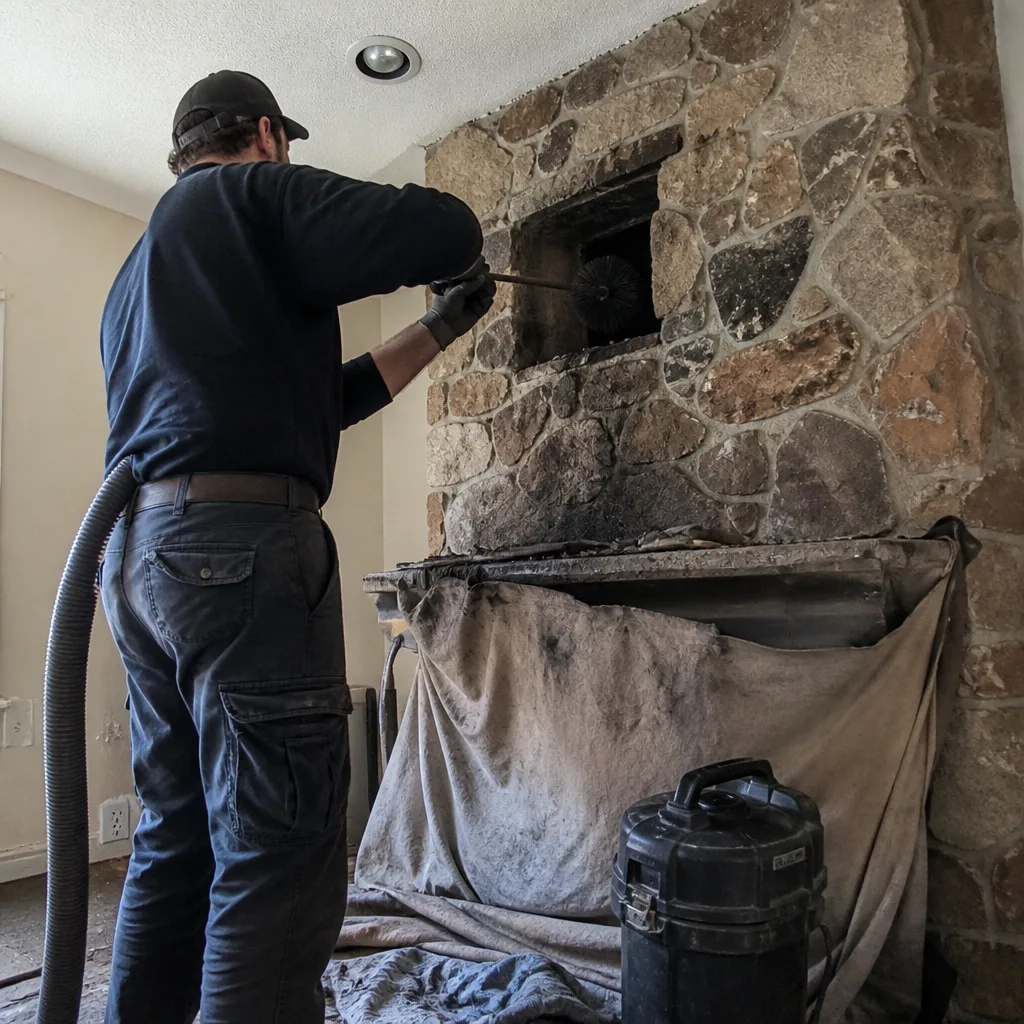 Before
 After
AfterThe Complete Guide to Chimney Cleaning in Ellicott City
The NFPA estimates that roughly 25% of home heating fires involve chimneys that were “recently cleaned.” The cleaning wasn’t the problem. The problem was that nobody documented what the cleaning actually found. In Ellicott City, where 1960s through 1990s colonials dominate the housing stock and most still run their original terra-cotta tile flues, that documentation gap is the difference between a defensible home record and a denied insurance claim. This guide walks through what chimney cleaning actually is, what it produces, what it costs, and what Howard County homeowners should expect from a sweep visit that holds up when it matters. For more guides & resources, see our blog.
Quick Answer
Chimney cleaning in Ellicott City typically costs between $189 and $350 for a standard sweep with a camera inspection, depending on flue condition and creosote stage. A legitimate cleaning should produce a written report with photos, dimensions, and obstruction findings, not just a receipt. The NFPA 211 Level 2 standard is the inspection level most relevant to Ellicott City homeowners, especially when buying, selling, or after a chimney fire.
Table of Contents
- What Chimney Cleaning Actually Is
- Why Ellicott City Homes Need Camera Documentation
- Level 1 vs. Level 2: What Each One Does and Doesn’t Certify
- What a Written Post-Cleaning Report Should Contain
- How Much Chimney Cleaning Costs in Ellicott City
- How Often You Should Have Your Chimney Swept
- The Insurance and Real Estate Connection in Howard County
- Glossary of Terms That Obscure Scope
- Common Mistakes to Avoid
- When to Call a Professional
- Frequently Asked Questions
- The Bottom Line
BeforeAfterWhat Chimney Cleaning Actually Is
A chimney cleaning removes creosote, soot, and debris from the flue, smoke chamber, damper, and firebox. Creosote is the tar-like residue that condenses on flue walls when wood smoke cools. It accumulates in three stages: Stage I is a flaky soot, Stage II is a thicker granular deposit, and Stage III is a hardened, tar-like glaze. Stage III creosote is the stage most likely to fuel a chimney fire, and it does not come off with a brush. It requires chemical treatment or mechanical removal.
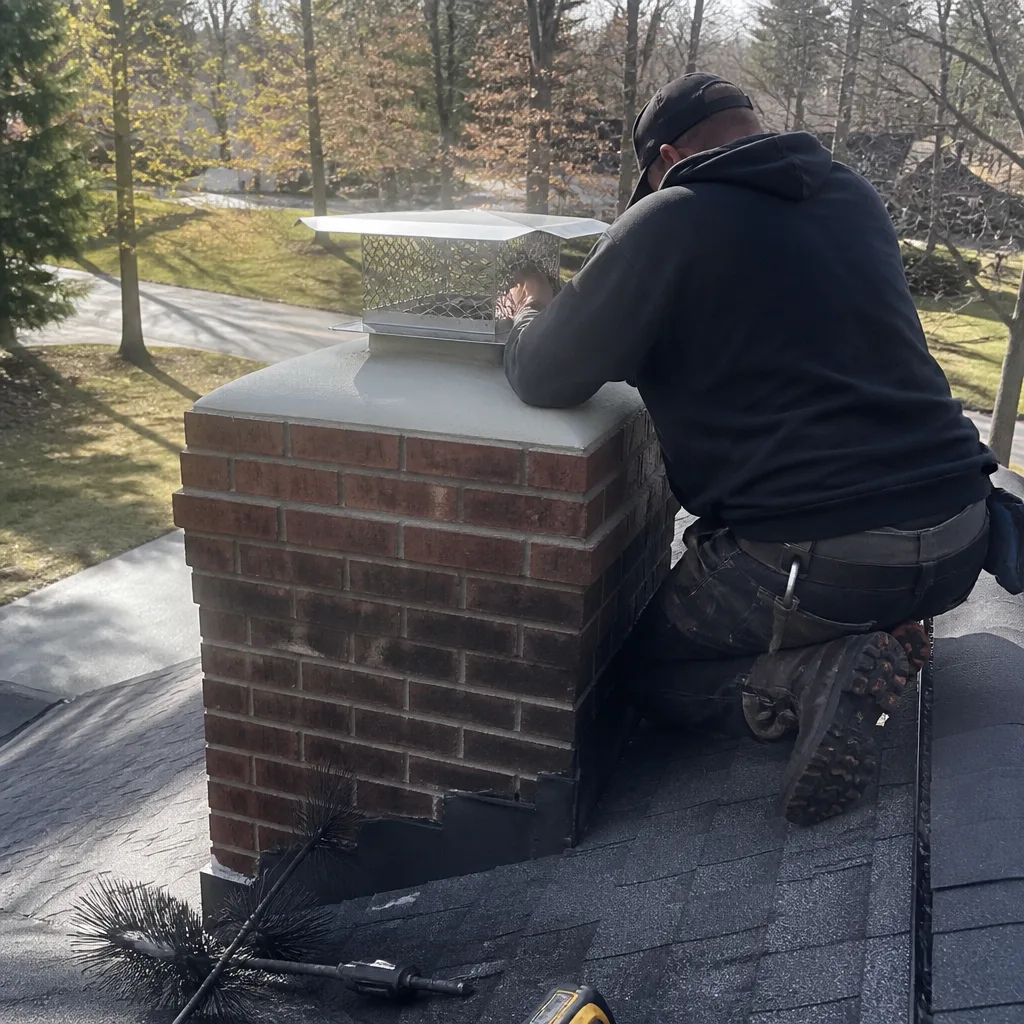
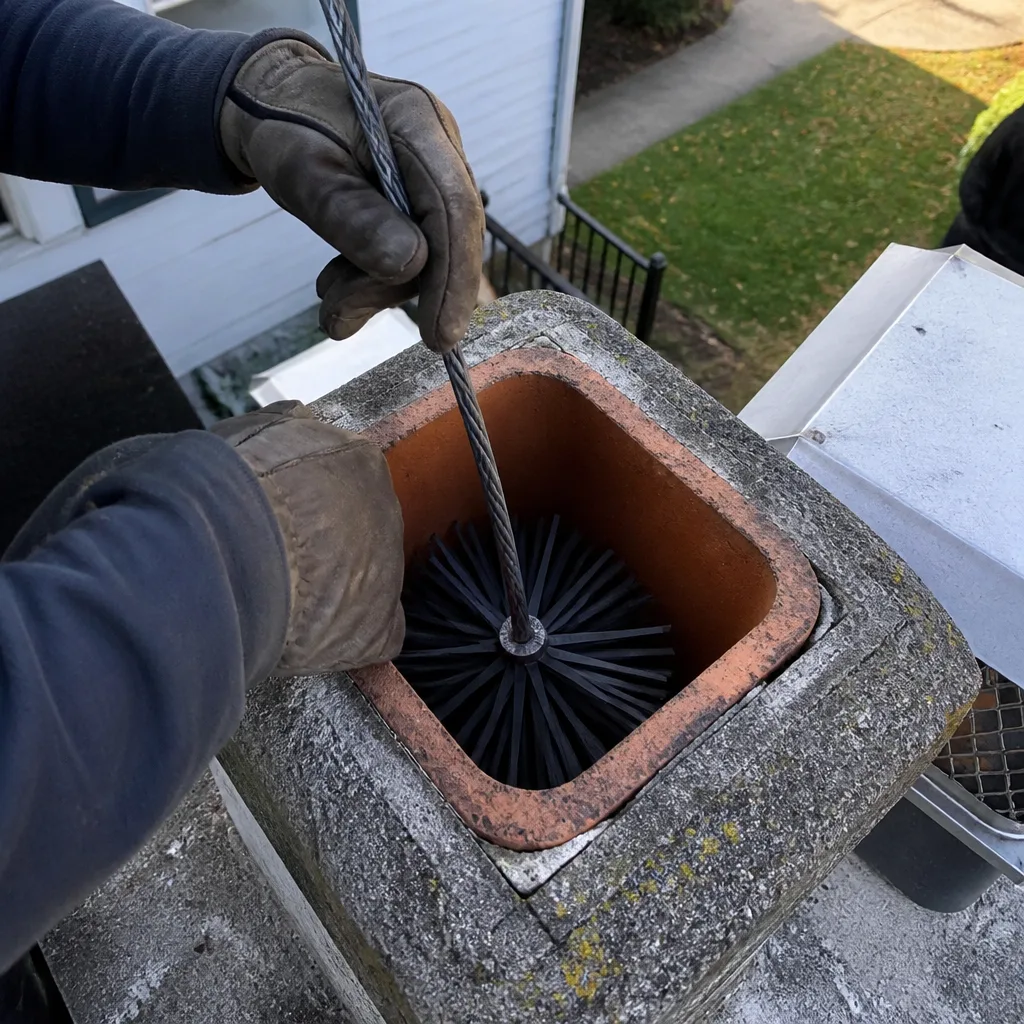
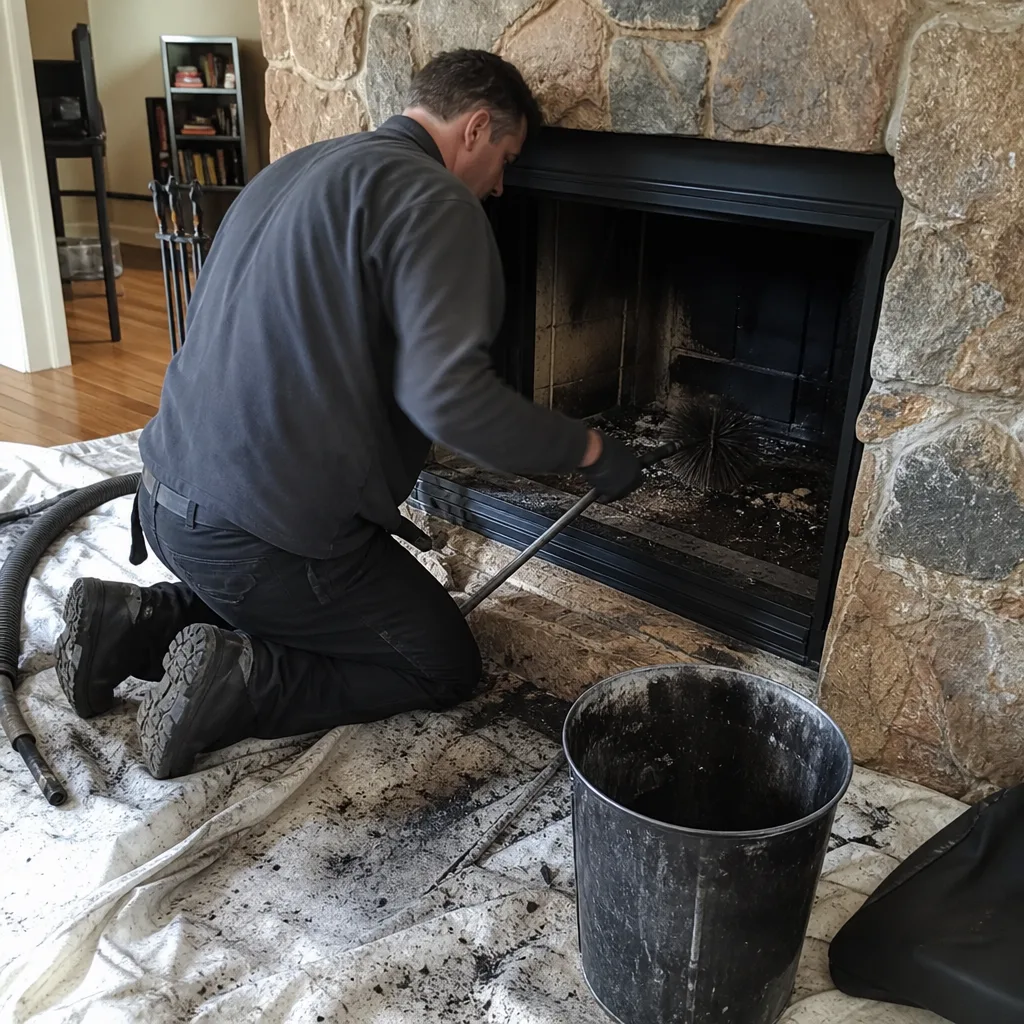
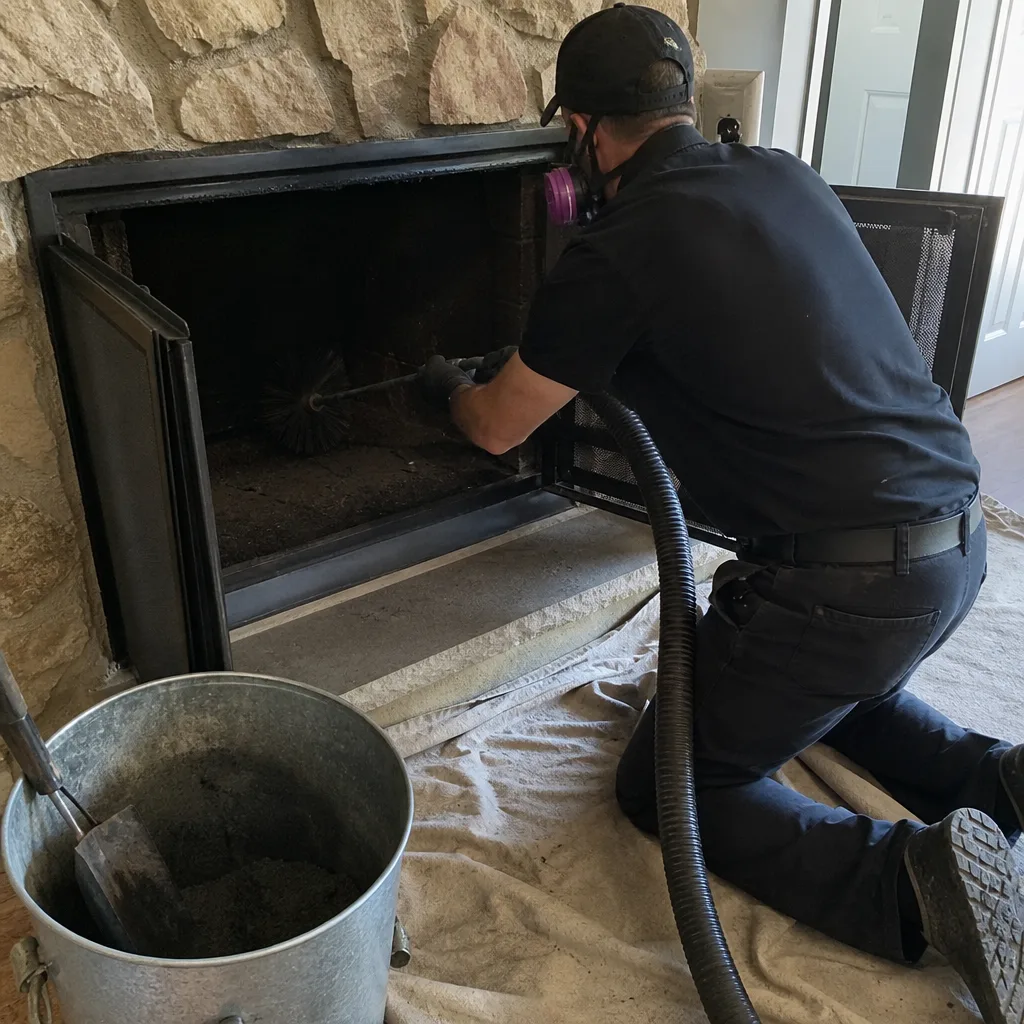
When we clean a chimney in Ellicott City, we sweep the flue with a properly sized brush matched to the flue dimensions. We then run a camera down the flue to confirm the walls are clear, check the smoke chamber and damper, and record what we see. The cleaning is the physical work. The camera scan is what converts the cleaning into a record.
Here’s what a standard cleaning sequence looks like:
- Setup: Drop cloths are laid, the firebox is sealed, and a vacuum system is positioned to control dust.
- Flue brush sweep: A wire or poly brush sized to the flue runs from top to bottom to dislodge creosote and debris.
- Smoke chamber cleaning: The area above the damper, where smoke funnels into the flue, is brushed and vacuumed.
- Firebox and damper cleaning: Ash and debris are removed from the firebox, and the damper is checked for operation.
- Camera inspection: A camera runs the full flue length and captures still images or footage of the interior walls, joints, and any defects.
- Written report: Findings are documented with photos, measurements, and any recommendations for repair.
The difference between a sweep that cleans and a sweep that documents is the camera step. Most Ellicott City homeowners don’t know they’re allowed to ask for the photos. You are.
Why Ellicott City Homes Need Camera Documentation
Ellicott City’s housing stock is specific. The dominant style in neighborhoods like Font Hill, Dunloggin, and Valley Mede is the 1960s through 1990s colonial: two stories, center or offset chimney, and in most cases, a terra-cotta tile flue liner installed at construction. Those tile liners are now 35 to 65 years old.
Terra-cotta tile is durable, but it does not flex. Maryland’s freeze-thaw cycle, with winters that swing between cold nights and warmer days, causes micro-cracking at the mortar joints between tiles. Each cycle widens the gaps slightly. The result, decades later, is a flue that may look fine from the top or bottom but has separated joints in the middle where no one can see without a camera.
This is why camera documentation is not an upsell in Ellicott City. It’s the difference between knowing a problem exists and finding out about it during a chimney fire. A visual sweep, where the technician shines a flashlight up from the firebox, cannot see the middle section of the flue. It can’t see hairline cracks. It can’t see a separated tile joint behind a bend. The camera sees all of it, and the photos are yours to keep.
We’ve been doing camera-scan documentation on every visit since 2009, the year we started. At the time, almost no one asked for it, and very few companies offered it as standard. Now, under Clause 4 of the Haven Standard, a documented photo record on every visit is required, not optional. That record has become the thing that protects homeowners when an insurance question comes up later.
Level 1 vs. Level 2: What Each One Does and Doesn’t Certify
NFPA 211 defines three levels of chimney inspection. Ellicott City homeowners encounter two of them regularly: Level 1 and Level 2.
Level 1 is a visual inspection of the readily accessible portions of the chimney: the firebox, damper, and the exterior where visible. It’s appropriate when the chimney has been used consistently, no changes have been made, and no problems are suspected. A Level 1 inspection does not require a camera, and it does not certify the middle section of the flue. It certifies what the technician could see with a flashlight and from the roof or ground.
Level 2 is required when there has been a change: a new appliance, a change in fuel type, a chimney fire, a property transfer, or an event like a lightning strike or storm. It includes everything in Level 1 plus an internal camera scan of the entire flue, and an inspection of accessible attic and crawl space areas where the chimney passes through. A Level 2 camera scan sees the joints, the liner condition, and any obstruction or damage in the middle third of the flue that a Level 1 cannot reach.
Here’s a comparison:
- Level 1: Accessible areas, flashlight visual, no camera. Appropriate only for routine annual checks on unchanged systems.
- Level 2: Full camera scan of the flue interior, accessible attics and crawl spaces, roof structure. Required for property transfer, after a chimney fire, or when a new liner or appliance is installed.
- Neither level “certifies” the chimney as safe indefinitely. Both are snapshots of condition at a point in time, and the written report is what makes the snapshot useful.
When a real estate agent in Howard County tells you the chimney was “inspected,” the next question is which level. Many presale inspections are Level 1 because they’re cheaper and faster. A Level 1 finding of “no visible issues” is not the same as a Level 2 finding of “camera scan confirms no joint separation, no cracks, no blockage.” The distinction matters most when the inspection record goes into the closing folder.
What a Written Post-Cleaning Report Should Contain
Most cleaning receipts say one thing: “Swept and cleaned.” That’s a receipt, not a report. A report names what the camera saw and what it means. If you’re paying for a chimney cleaning in Ellicott City, ask what the written record will include before you book. Here’s the minimum a useful report contains:
- Flue dimensions and liner type: Inside diameter, height, and material. Ellicott City’s older homes typically have 8×8 or 8×12 terra-cotta tile; some have been relined with stainless steel.
- Creosote stage recorded: Stage I, II, or III, and where on the flue wall it was found. This matters because Stage III glazed creosote changes what the next cleaning requires.
- Obstruction findings: A bird nest, a dead animal, a fallen tile, a broken damper plate. If the camera saw it, the report names it.
- Liner condition: Cracks, joint separation, spalling tiles, missing mortar. The camera images are attached.
- Smoke chamber condition: The often-overlooked area above the damper. Gaps here are a common hidden cause of smoke problems.
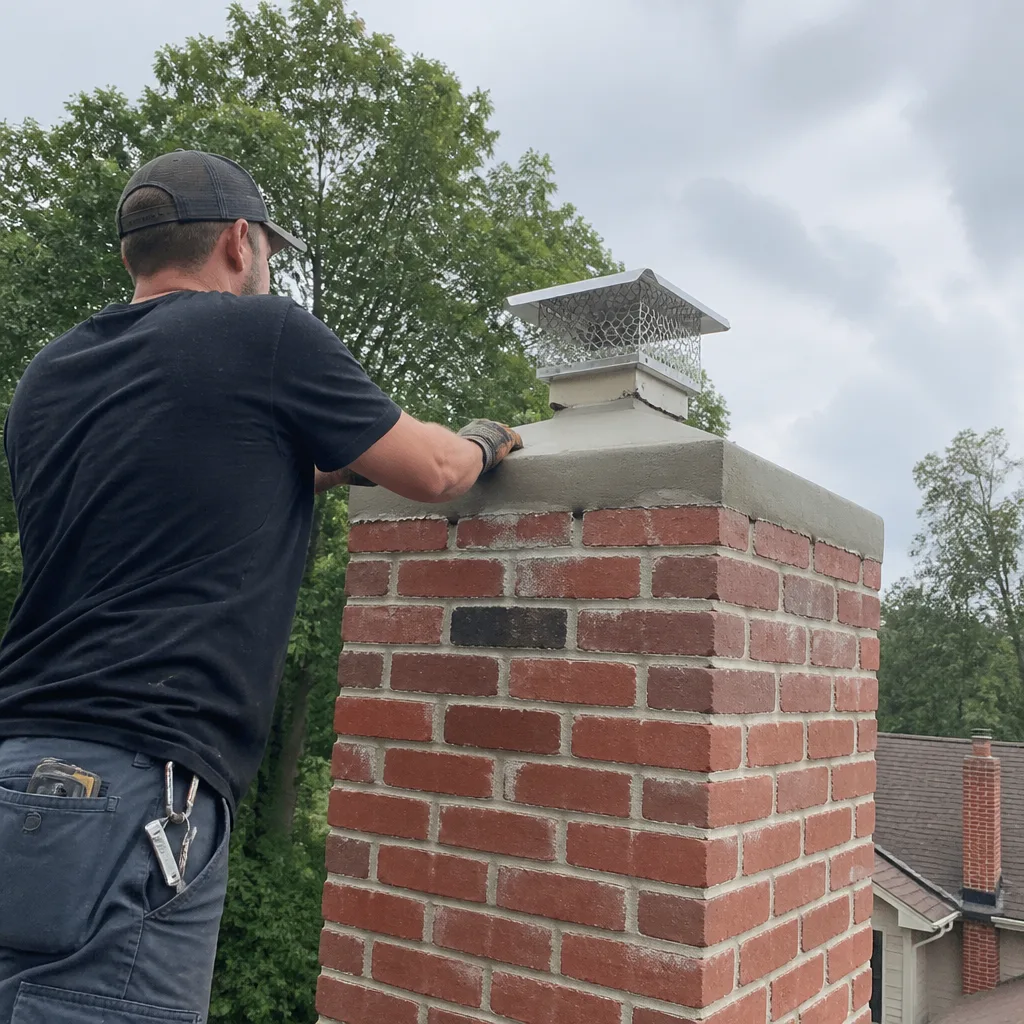
- Cap and crown status: A missing cap or a cracked crown is a water entry point, and water is what destroys liners and smoke shelves in Maryland’s freeze-thaw climate.
- Recommendations with plain-language reasons: What needs action now, what can wait, and what is cosmetic. Each recommendation names the reasoning.
Under the Haven Standard, this report is delivered in writing before any repair work is quoted or recommended. The homeowner gets a written price, a written scope, and a written warranty before anything is agreed to. That’s Clause 1: “Have it in writing.” It’s not a courtesy. It’s the thing that makes the record usable later.
How Much Chimney Cleaning Costs in Ellicott City
A standard chimney cleaning and camera inspection in Ellicott City runs between $189 and $350. The range depends on the creosote stage, flue height, roof pitch, whether a chase cover or cap needs removal, and whether the chimney has been recently cleaned or neglected for years.
Here’s what we see in the Ellicott City market as of 2025:
| Service | Typical Range | Notes |
|---|---|---|
| Standard sweep with Level 1 visual | $149-$225 | Flashlight-grade inspection; not documented to Level 2 |
| Standard sweep with camera scan (Level 2) | $189-$350 | Includes documented photo record per Haven Standard Clause 4 |
| Stage III creosote removal (chemical + mechanical) | $300-$600+ | Glazed creosote requires additional steps |
| Cap installation | $150-$400 | Depends on cap size and roof access |
| Stainless steel liner installation | $2,800-$6,500 | Varies by flue height, liner diameter, and access difficulty |
These are ranges for Ellicott City specifically. Prices in Baltimore or Columbia may differ modestly. What you want in writing before you book: the flat sweep price, what the camera scan adds, what the report includes, and whether any “found” repair work will be quoted separately in writing before anything is done. A sweep company that won’t put the scope in writing before starting is telling you something about how they handle the scope after they find things. For help vetting contractors, see our How to Hire a Chimney Cleaning Contractor in Ellicott City: A Step-by-Step Guide.
Level Two Chimney Ellicott City provides a written price and written scope before any work begins, always. There is no “call for a quote” model. The price is on the page, and the scope is in writing before the first brush goes up. If you have a competitor’s written estimate, we’ll give you a free second opinion on it.
How Often You Should Have Your Chimney Swept
The standard answer is once per year, before the burning season, if you burn wood regularly. That’s the answer NFPA 211 gives, and it’s a good default. But the real answer in Ellicott City is more specific. For a full breakdown of timing throughout the year, see our Seasonal Chimney Cleaning Care for Ellicott City: Year-Round Homeowner’s Guide.
- Burn more than 50 fires per season? Sweep before the season and check mid-season if you notice more smoke or slower starts.
- Burn unseasoned or soft woods? More creosote, faster buildup. Sweep before the season and again mid-season.
- Burn mostly manufactured logs? These burn cleaner, but the binding agents can leave deposits. Annual sweep remains the reasonable floor.
- Have a gas fireplace or insert? The venting still needs an annual check. Gas buildup is less about creosote and more about vent blockage, moisture, and carbon monoxide risk.
- Don’t use the fireplace at all? Still inspect before winter. Ellicott City’s damp springs and freeze-thaw winters cause liner and crown damage even in unused chimneys.
The trigger every homeowner should know: if you smell a campfire-like odor after a rain, or if smoke seems to hang in the room instead of drafting up, don’t wait for the annual appointment. Something has changed, and the camera will tell you what it is.
The Insurance and Real Estate Connection in Howard County
Howard County insurance adjusters and real estate attorneys increasingly ask for something that didn’t exist in closing folders twenty years ago: a documented chimney inspection. Not a receipt with a date and a company name. A report with images that show the flue condition on the date the inspection happened.
The reason is straightforward. Claims get filed after chimney fires, and the first question is what the homeowner knew and when. If the homeowner says the chimney was cleaned in October, the insurance company asks for the report. If there’s no report, or the report says “swept and cleaned” with no camera images, the defense weakens significantly. The claim may still be paid, but the process takes longer, and the deductible negotiation gets harder.
On the real estate side, Maryland property disclosures ask about known chimney defects. If a seller had the chimney swept but was never told about a hairline crack the camera didn’t document, the seller can honestly answer “no known defects.” The buyer moves in, the crack widens under another Howard County winter, and the buyer’s first chimney fire becomes a question of who should have known what and when. A Level 2 camera report at the time of purchase puts that question to rest before it becomes a dispute.
We’ve watched this shift happen in Ellicott City and across Howard County over the past decade. What used to be a niche request from picky attorneys is now standard language in closing checklists. The Haven Standard’s Clause 4, which requires a photo record on every job, was the practice that position grew out of. We’ve been running that archive continuously since 2009. When a client needs a record from a past visit, we can pull it.
Glossary of Terms That Obscure Scope
The chimney industry has its own vocabulary, and not all of it is precise. Ellicott City homeowners should know what these terms actually mean when they see them on an estimate or in an ad:
- “Basic clean”: Usually a brush sweep with no camera and no written condition report. What it doesn’t say: the flue middle was never examined, and the homeowner receives a receipt, not a record.
- “Standard inspection”: Often a Level 1 visual from the firebox and roof. The term means whatever the company says it means. Ask what level and whether a camera is included.
- “Brush-and-blow”: A fast sweep with a brush and a vacuum, no camera, no documentation of liner condition. It’s a cleaning, not an inspection. The two are different things.
- “Creosote treatment”: The application of a chemical product to break down Stage III glazed creosote. Not all Stage III needs full removal immediately; the camera report tells you what’s present and what it means.
- “Flue liner”: The internal lining of the chimney, either terra-cotta tile, stainless steel, or a poured-in-place material. This is the component that fails in older Ellicott City colonials.
- “Spalling”: The flaking or chipping of masonry or tile, caused by water penetration and freeze-thaw cycles. Spalling tile inside a flue is a structural concern, not a cosmetic one.
When we discuss findings, we use the real vocabulary and then define it in one clause. A customer should never have to interpret trade language to understand what the camera saw.
Common Mistakes to Avoid
- Treating a cleaning receipt as an inspection record. A receipt proves you paid someone. A report with camera images proves what they found. Insurance adjusters know the difference.
- Accepting a Level 1 inspection when the situation calls for Level 2. In Ellicott City’s older homes, a Level 1 can miss joint separation and cracking in the flue’s middle third. If you’re buying, selling, or haven’t had a camera scan, that’s the wrong standard.
- Skipping the water-proof side of the equation. A cracked crown or missing cap lets water into the flue, and Maryland winters do the rest. Sweeping doesn’t fix a water entry problem; it just makes the firebox look clean.
- Burning unseasoned wood to save money. Wet wood produces more creosote and fills the flue faster. The savings on firewood evaporate when the next cleaning discovers Stage III deposits.
- Ignoring a smoke-back problem. Smoke that lingers instead of drafting is a sign of a blockage, a draft issue, or a damaged flue. It will not heal itself through another season of use.
- Waiting until fall to book a cleaning in Ellicott City. Sweep schedules fill in September and October. Book in late summer to get the date you want and to have time for any repair the camera turns up before the cold months.
- Not asking for the photos. The camera images are your property. A company that won’t release them is withholding the one piece of evidence that makes the visit worth paying for.
When to Call a Professional
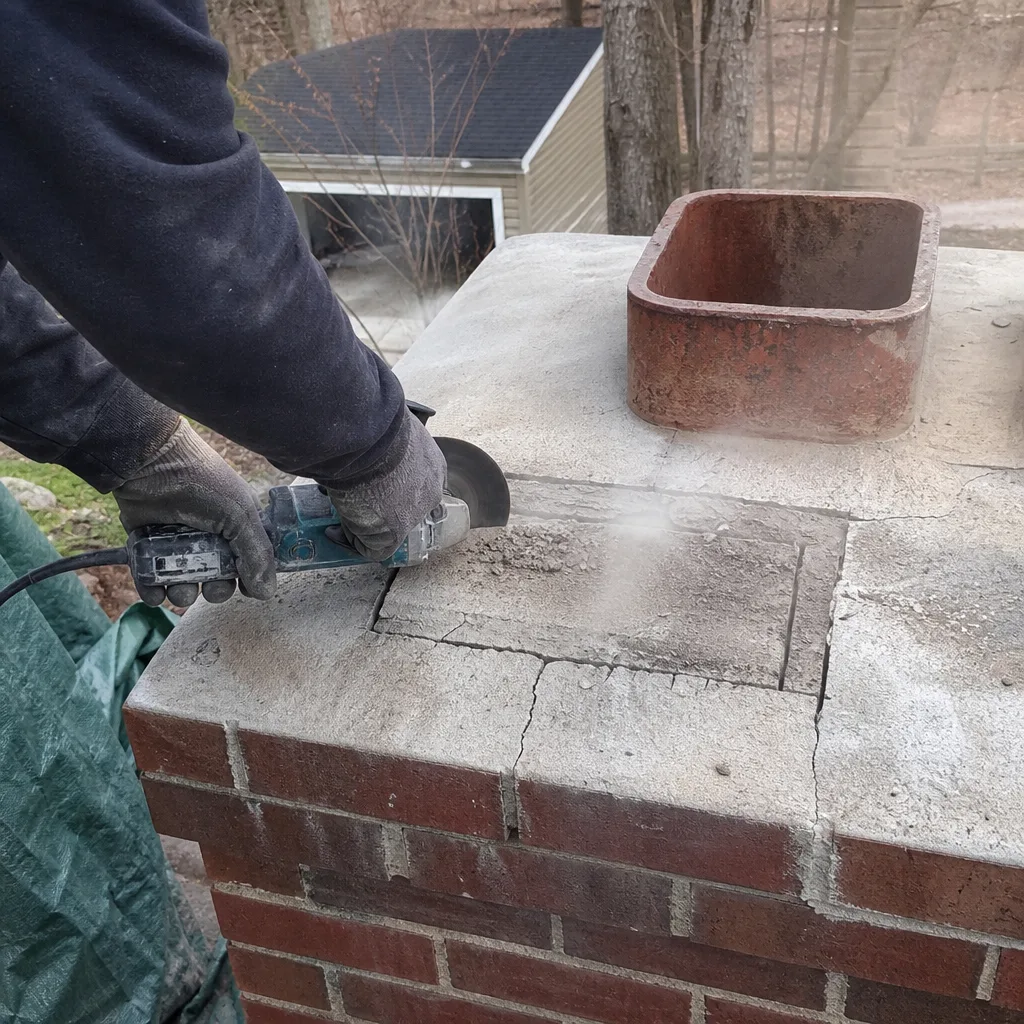
Call a chimney professional when the camera hasn’t been down the flue in more than two years, when smoke backs up into the room, when you smell a campfire odor after rain, when the damper won’t open or close fully, or when you see water stains on the ceiling near the chimney chase. These are specific signals that something has changed, and the camera will name the cause. Do not attempt flue repairs yourself; chimney interiors are confined, dirty, and structurally unforgiving, and a misapplied liner patch or ignored joint separation is the kind of thing that becomes a fire. Level Two Chimney Ellicott City offers free estimates in Ellicott City; call (443) 363-5262 and we’ll schedule a camera-documented sweep and inspection. For complete details on scope, see our Chimney Cleaning & Sweep in Ellicott City page.
Frequently Asked Questions
A standard chimney cleaning with camera inspection in Ellicott City runs between $189 and $350, depending on creosote stage, flue height, and roof access. Some companies offer visual-only sweeps for $149 to $225, but those don’t include the camera record that documents your flue condition. Call (443) 363-5262 for an exact quote, which we’ll provide in writing before any work starts.
At minimum once per year before burning season if you burn wood regularly. Homes that burn 50 or more fires per season, or that burn unseasoned wood, may need a mid-season sweep as well. Gas fireplaces still need an annual vent check.
A Level 1 is a visual check of accessible areas only, with no camera. A Level 2 includes a full camera scan of the flue interior, plus accessible attic and crawl space inspection. Level 2 is the standard for property transfer, after a chimney fire, or when a new liner or fuel type is involved.
Not always. The camera report will show whether the existing terra-cotta tile liner has joint separation, cracking, or spalling. Minor findings can sometimes be addressed without full replacement, but a compromised liner is a fire and carbon monoxide risk that can’t be ignored. If a liner is recommended, the written report will show you exactly what the camera saw before you’re asked to decide.
Creosote builds, Stage I becomes Stage II, and eventually Stage III glazed creosote becomes a fuel source for a chimney fire. In Ellicott City’s older tile-lined flues, a chimney fire can also crack the liner, which then becomes a hidden carbon monoxide pathway into the house. The fire isn’t the only risk; the undetected liner damage after the fire is worse.
We book appointments rather than promising same-day dispatch, but we do keep availability for urgent situations during the fall and winter. Call (443) 363-5262 and we’ll get you scheduled, with a text when your named technician is on the way.
Howard County insurers increasingly request documented chimney inspection records when a chimney fire claim is filed. A “swept and cleaned” receipt is not the same as a photo report. The documented record is what turns a paid cleaning into a defensible claim history.
The Bottom Line
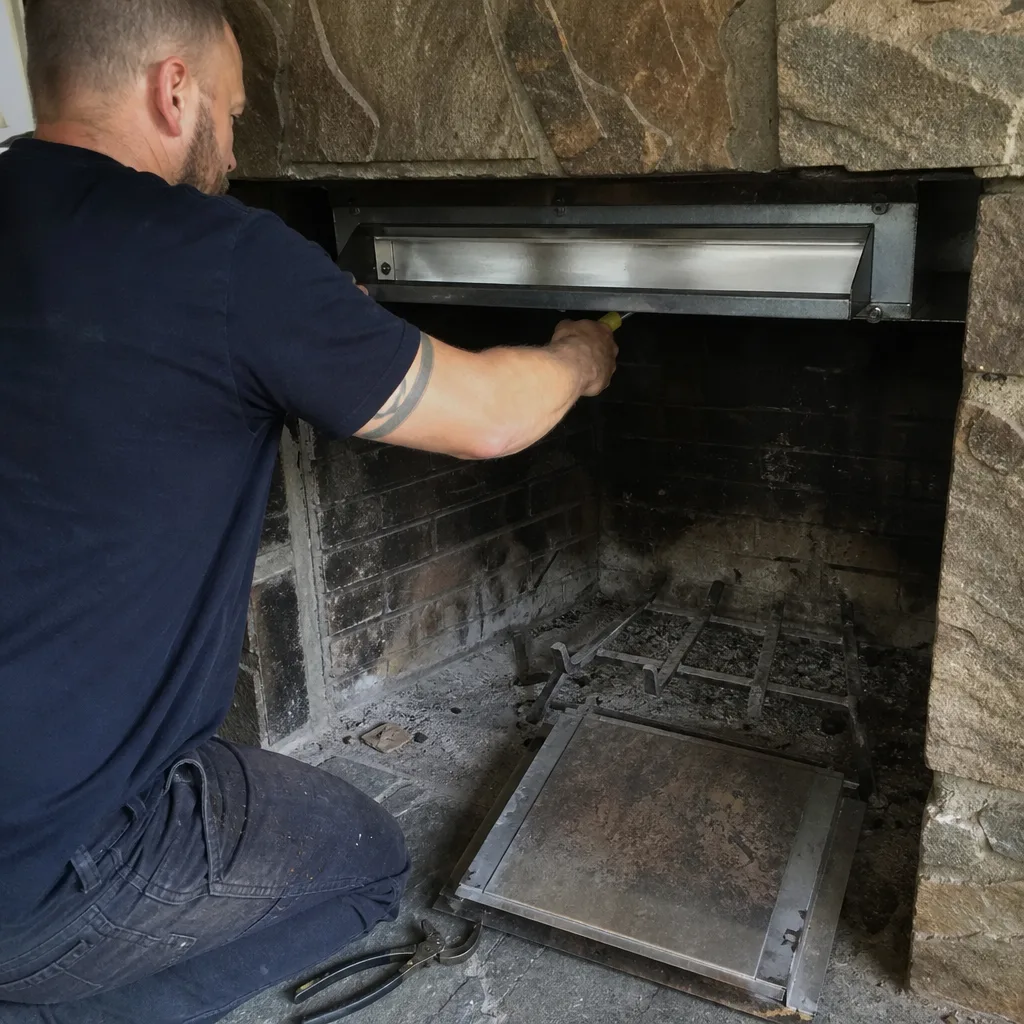
A complete chimney cleaning in Ellicott City is not a brush through the flue; it’s a documentation trail. The camera scan, the written report, the photos, and the written price before work begins are the deliverable. The cleaning is the means to produce it. Ellicott City’s older terra-cotta tile flues, combined with Howard County’s wet winters and freeze-thaw cycles, make that record the difference between a home that’s defended when something goes wrong and one that isn’t. If you’re due for a sweep, or if you’ve never seen the inside of your flue, get the camera down it. For full service details, see the Level Two Chimney Ellicott City home page, Chimney Repair in Ellicott City, or Fireplace Services in Ellicott City. Call (443) 363-5262 for a free estimate, written before any work begins.
Written by Corrine Halstead, Owner at Level Two Chimney Ellicott City, serving Ellicott City since 2009.