
Last updated September 20, 2026
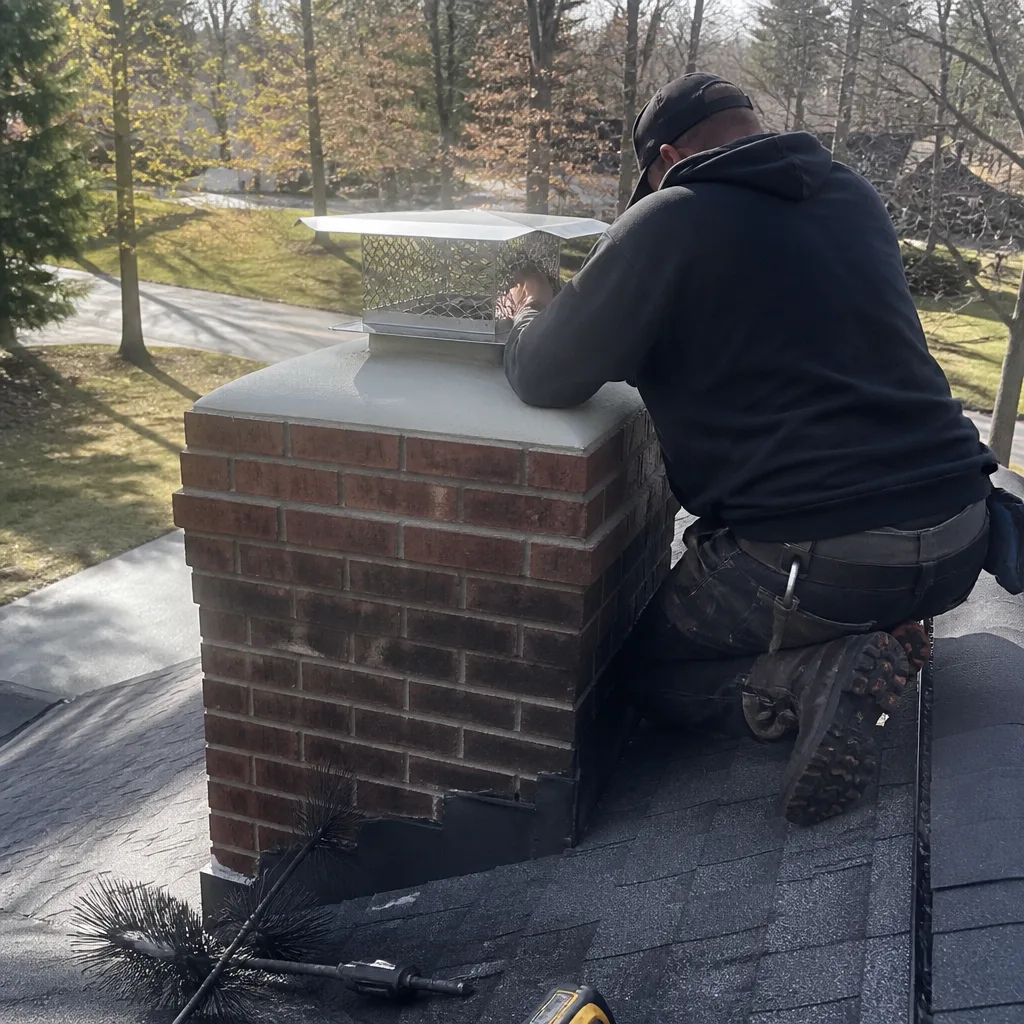
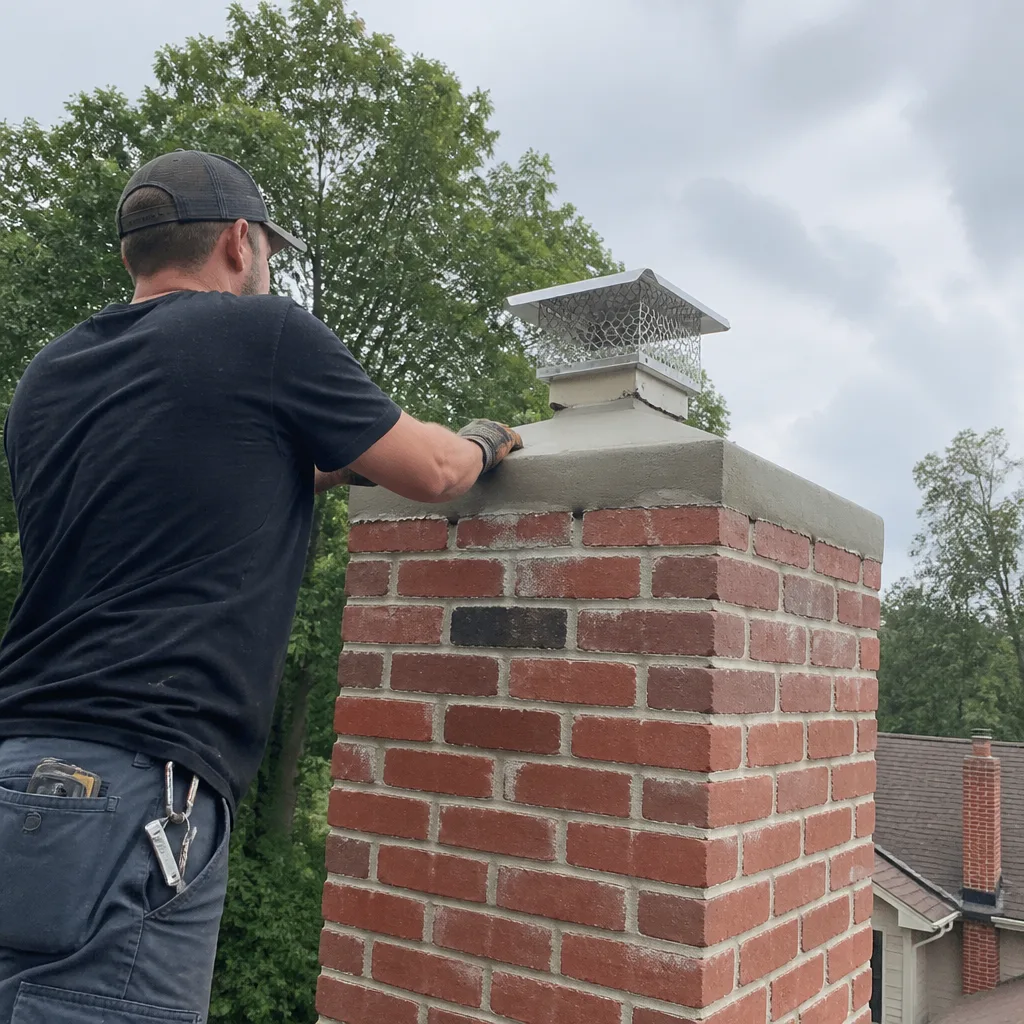
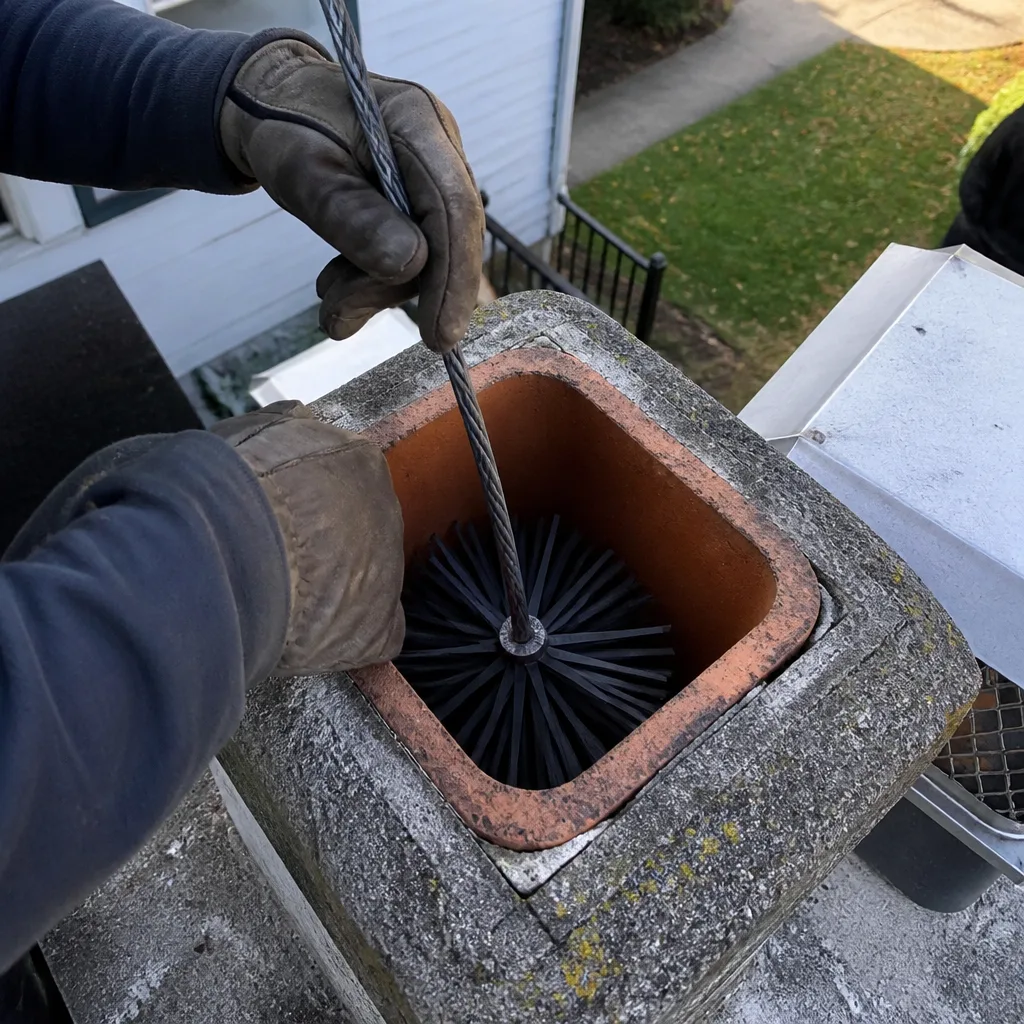
Level 1 sweep and inspection to the NFPA 211 annual standard - flue, crown, cap, and flashing checked and photographed
Chimney sweep logs do not sweep chimneys. They loosen some creosote - which then falls where a brush and vacuum still have to collect it.
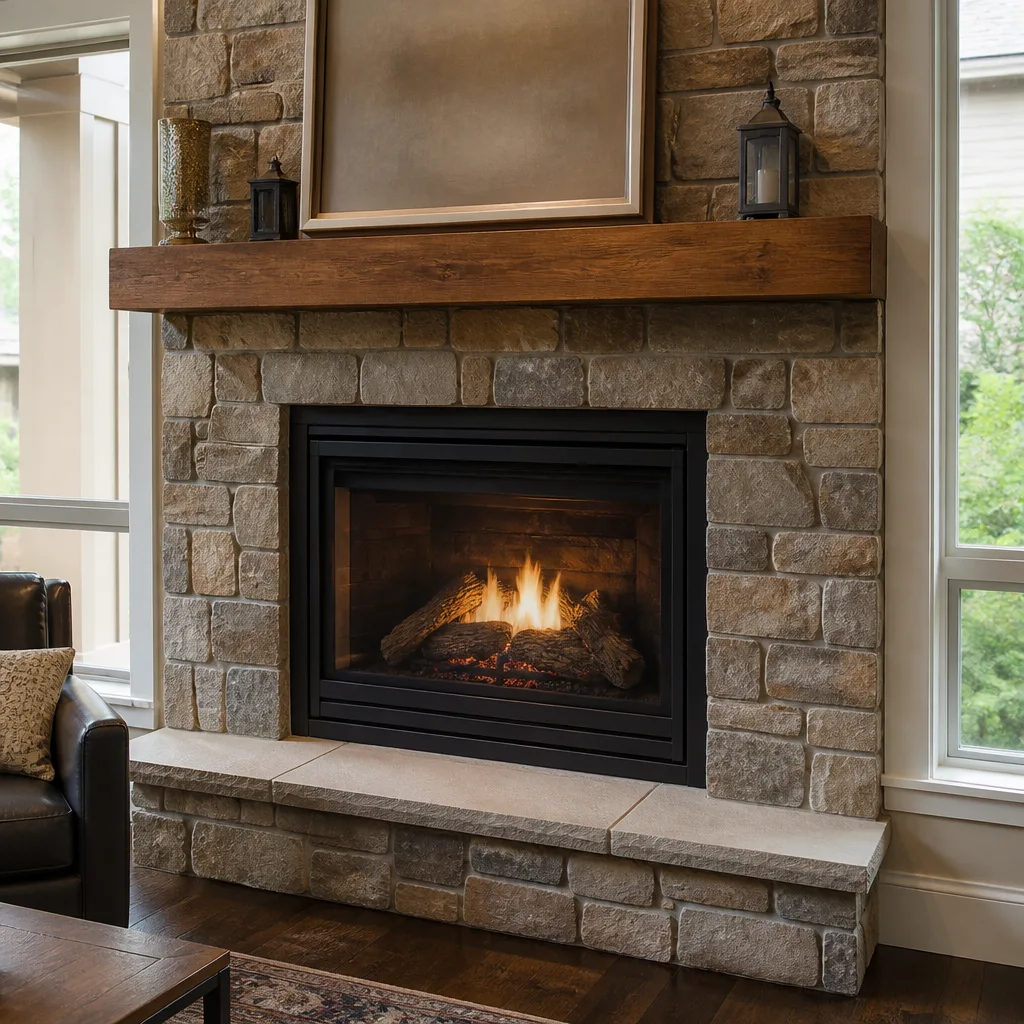
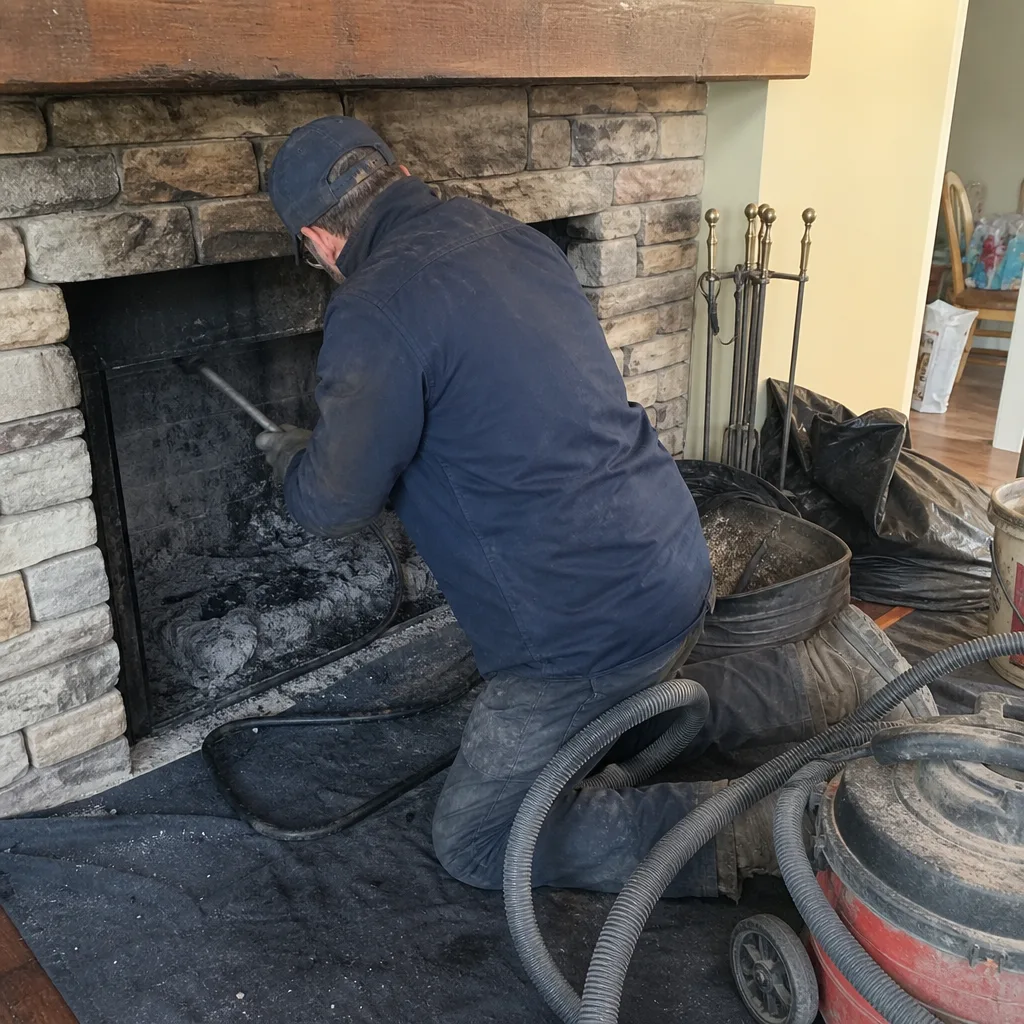 Before
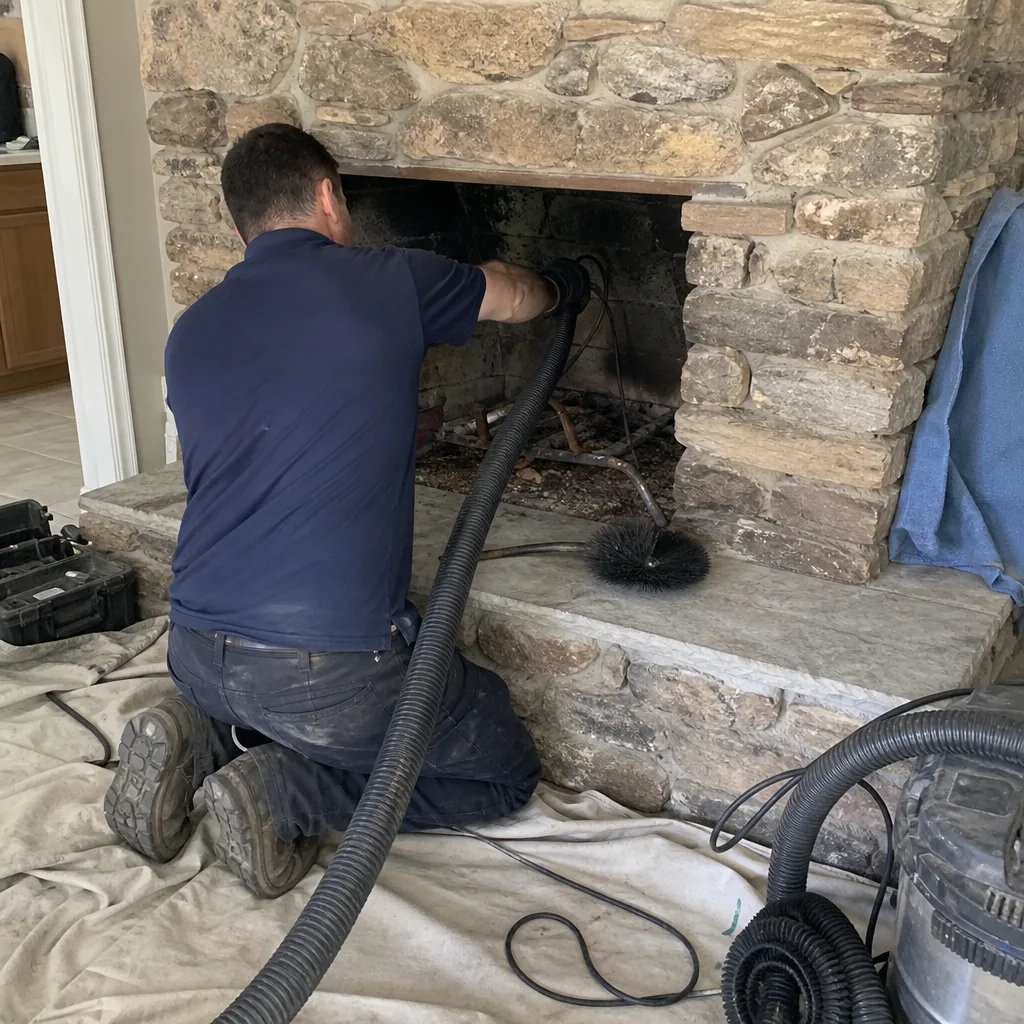 After
After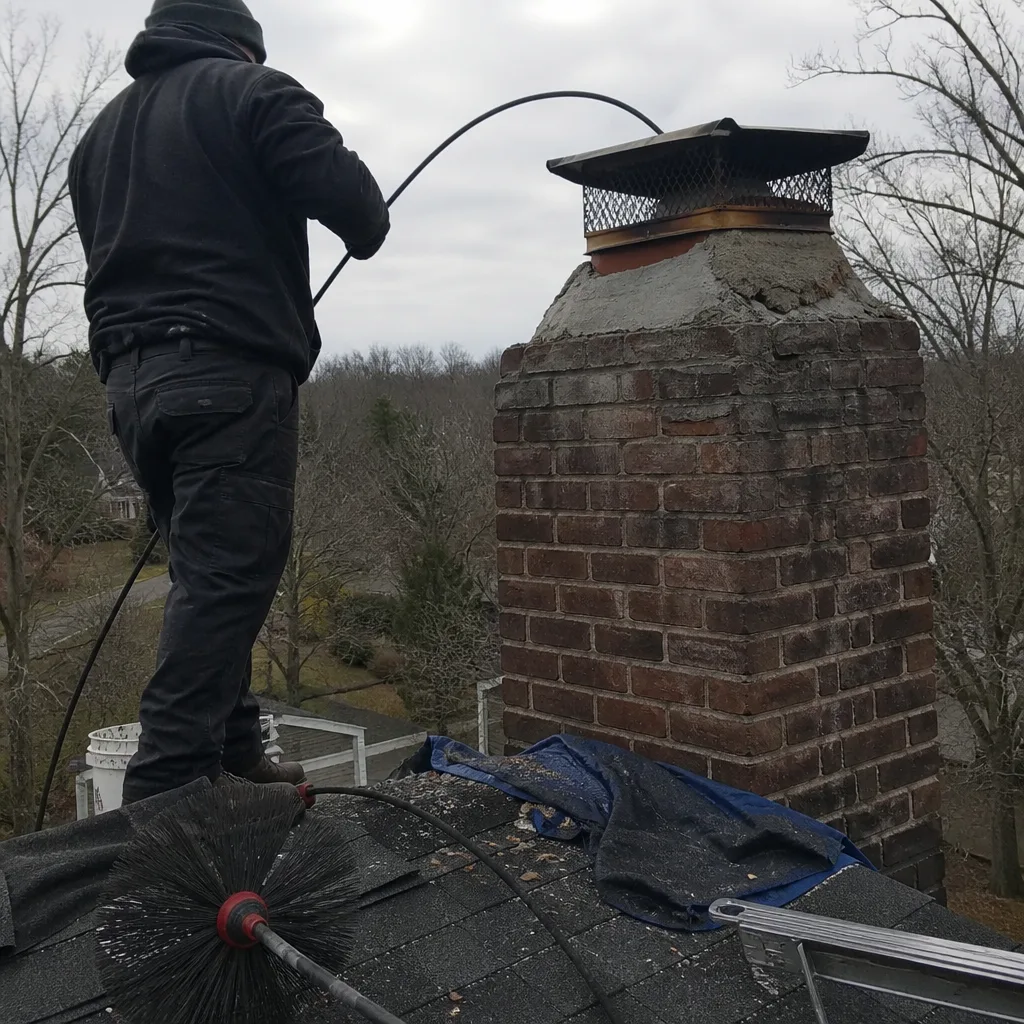 Before
 After
After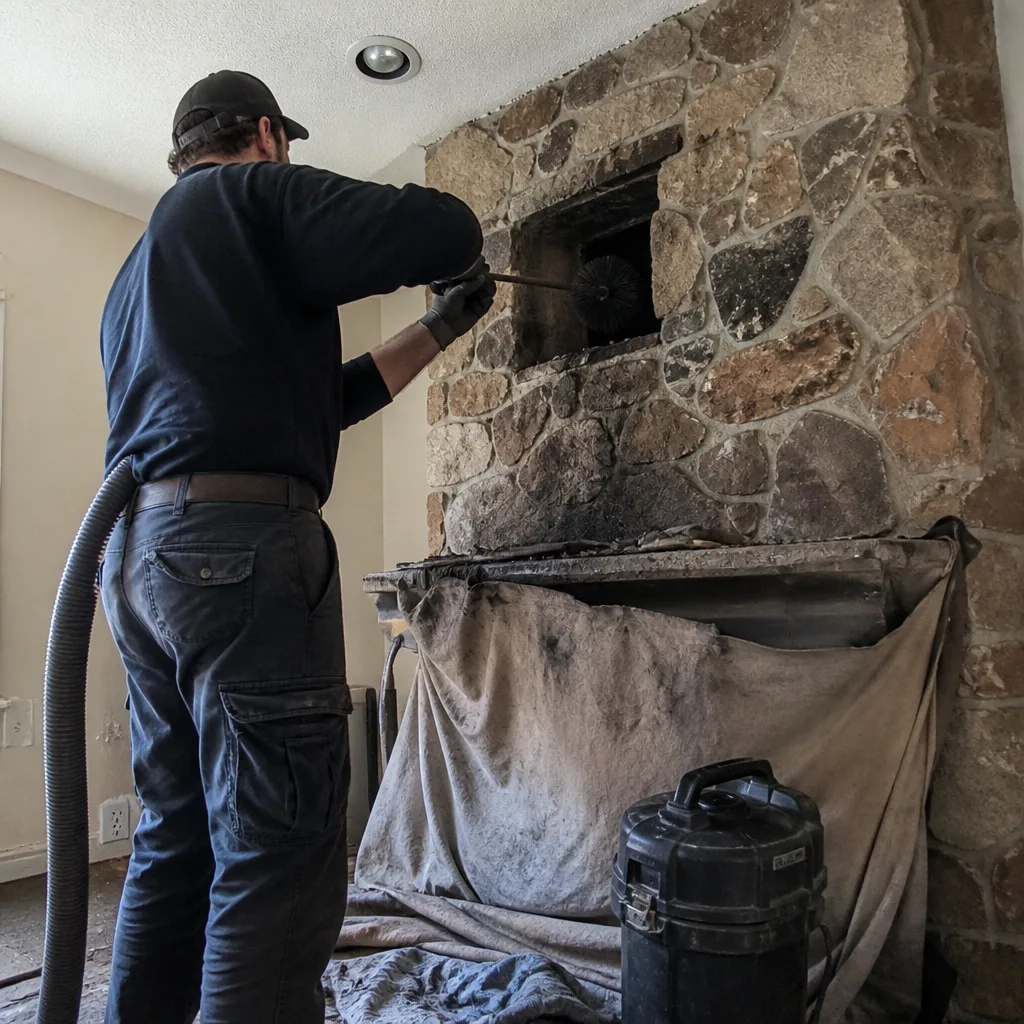 Before
 After
AfterChimney Cleaning & Sweep Maintenance Checklist for Ellicott City Homeowners
A homeowner can stand on a ladder and see the top 18 inches of a flue. A camera sees the other 12 to 20 feet where stage-two creosote, spalled tile, and animal blockages actually live. That gap between what the eye catches and what the scope records is where chimney fires start and carbon monoxide finds a path into a house. This guide walks through what Ellicott City homeowners can honestly assess themselves, what needs a camera and a trained tech, and what maintenance actually pays for itself in a Maryland climate that punishes masonry in specific, predictable ways. For Chimney Cleaning Warning Signs: A Ellicott City Homeowner’s Reference Guide, see our dedicated post.
Quick Answer
A functional chimney maintenance plan for Ellicott City homes comes down to this: sweep the flue annually if you burn wood, inspect the exterior and flashing every spring and fall, run a camera-scan inspection every three years or before any home sale, and document every service with photos you keep on file. Most of what threatens a chimney is invisible from the ground or the roof edge, which is why the checklist below splits tasks into what you can verify yourself and what requires a scope.
Table of Contents
- What an Ellicott City Homeowner Can Actually Check
- What Only a Camera Scan Finds
- Annual Maintenance Tasks by Fuel Type
- Every-Three-Year Tasks and Why They Matter
- Ellicott City-Specific Maintenance Triggers
- The Photo Record: What to Keep and Why It Matters at Resale
- How to Verify a Sweep Actually Ran the Camera
- Common Mistakes to Avoid
- When to Call a Professional
- Frequently Asked Questions
- The Bottom Line
BeforeAfterWhat an Ellicott City Homeowner Can Actually Check
There’s a real list here, and it’s shorter than most checklists admit. The honest version: you can assess visible masonry, the crown, the cap, and the firebox. Everything behind the walls or down the flue belongs to the camera.
Here’s the owner-level checklist, with the reason each item matters:
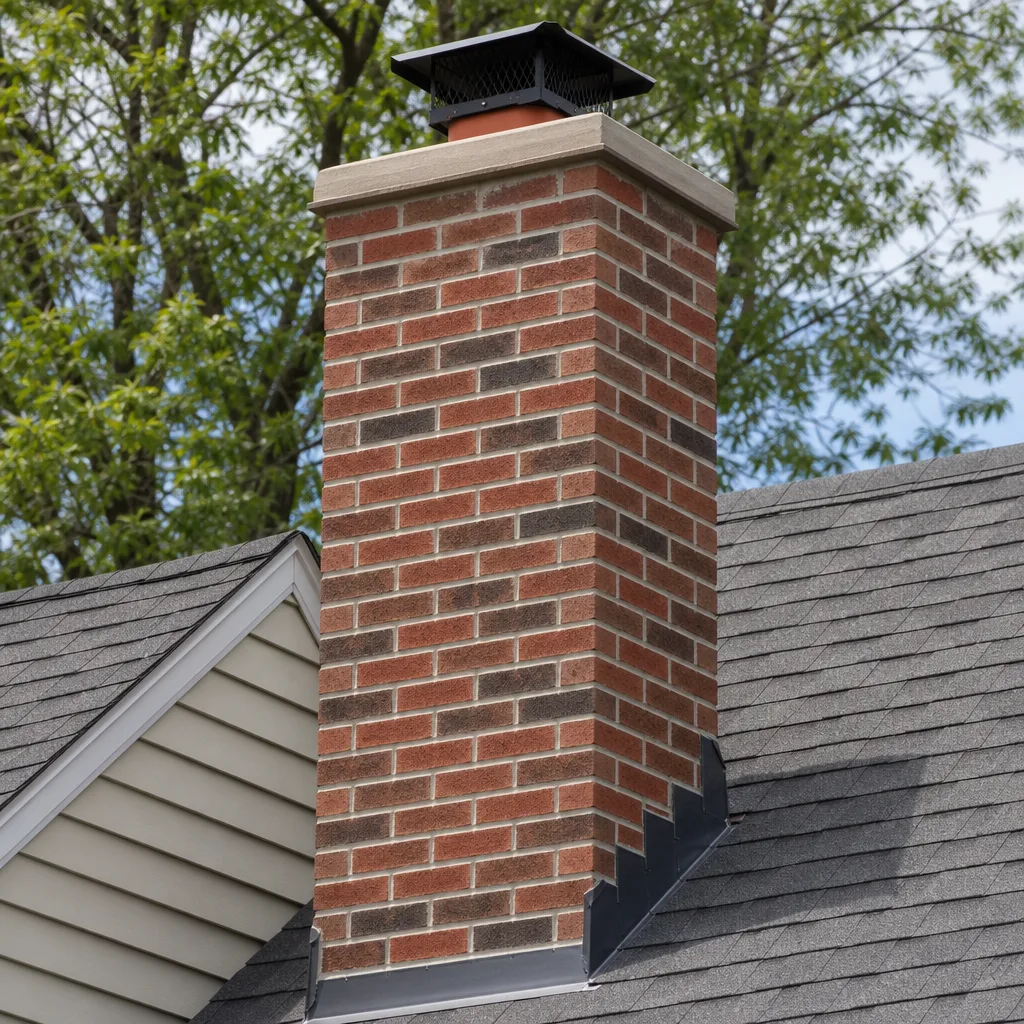
- Flashing at the roofline. Look for lifted edges, gaps in the sealant, or rust staining on the shingles below the chimney. Maryland freeze-thaw cycles work water under flashing and into the roof deck, and the damage is usually worse than the visible stain suggests.
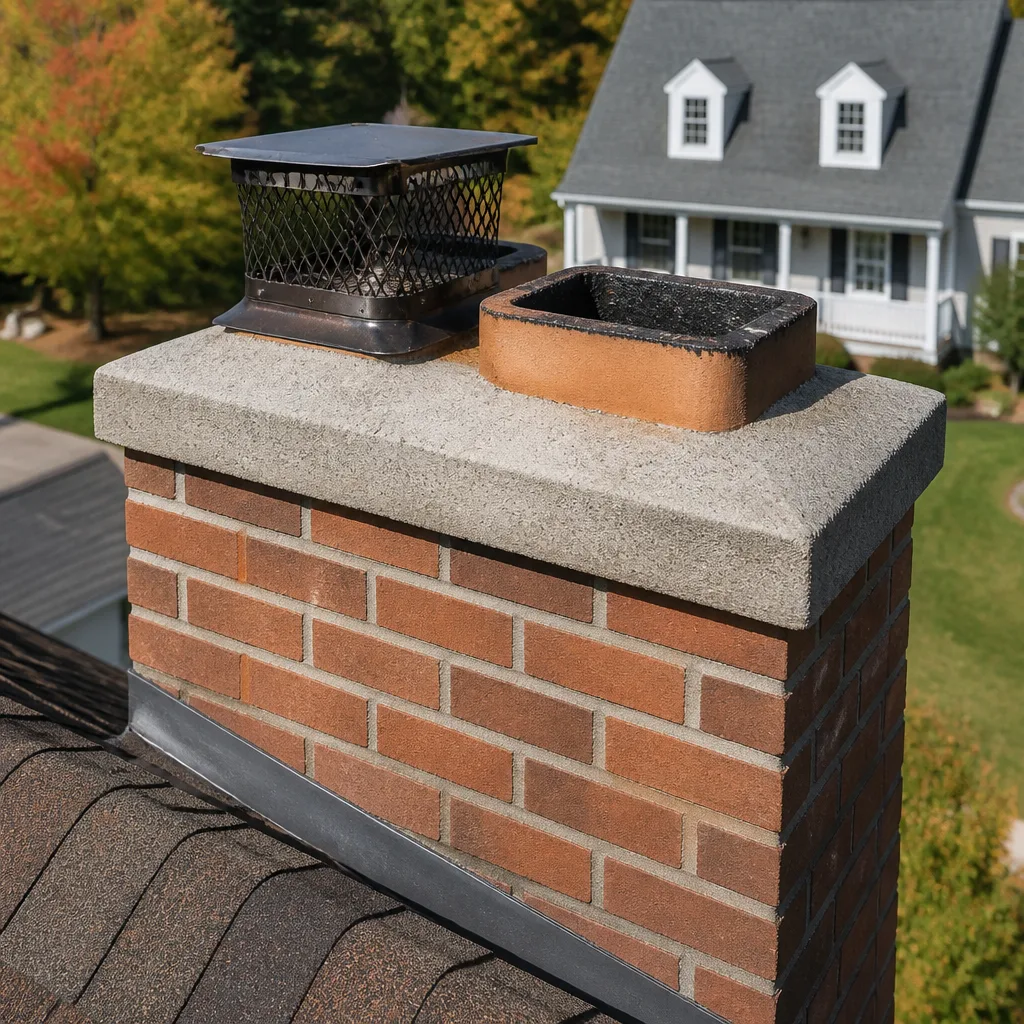
- Crown condition. Stand back and look at the concrete or mortar cap on top of the chimney. Hairline cracks are normal after a decade. Chunks missing or a concave dip where water pools are not. Water sitting on the crown is the single most common entry point for chimney leaks in Howard County.
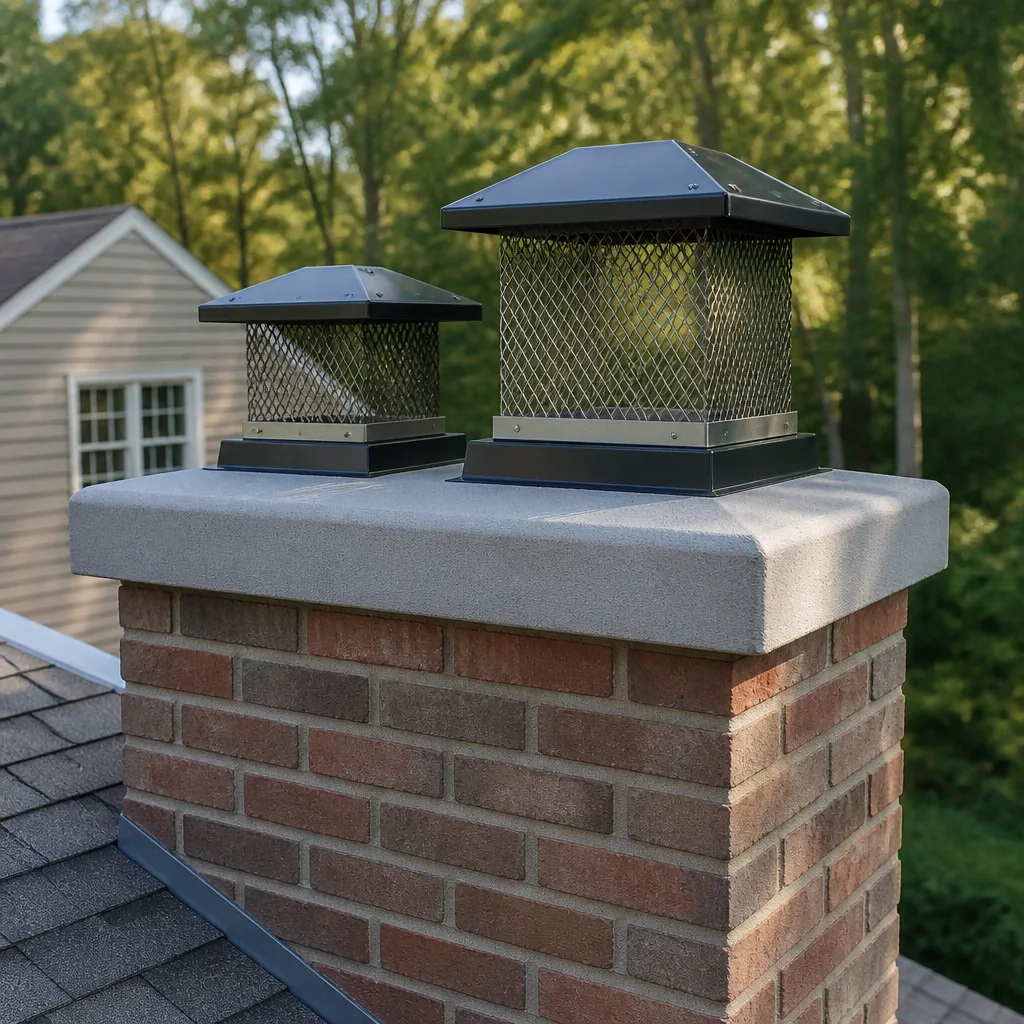
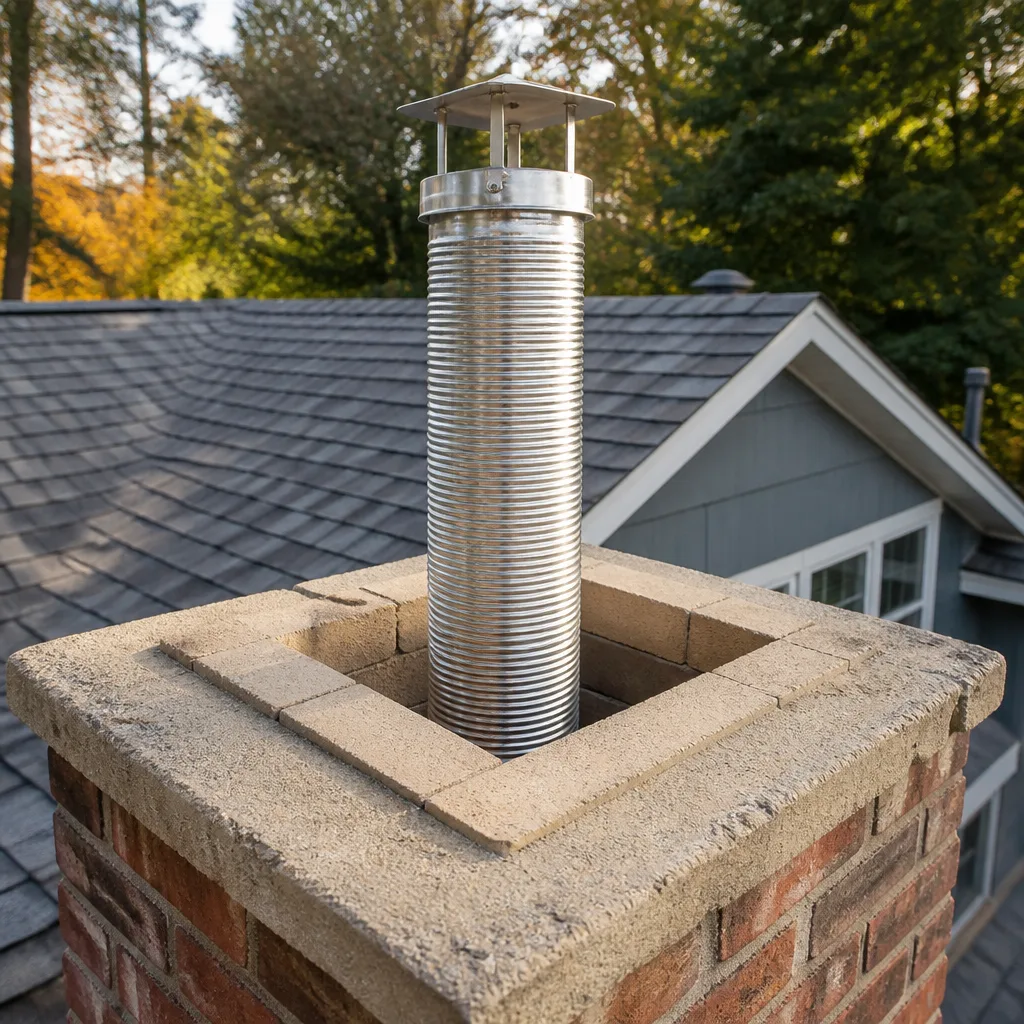
- Cap and screen. The metal cap should sit level, the screen should be intact, and the whole assembly should be attached firmly. A missing or damaged cap in Ellicott City means squirrels, raccoons, and chimney swifts get a clear path down the flue. We’ve pulled nests out of flues in Dorsey’s Search and Dunloggin that sat within six feet of an open cap that had been gone for one season.
- Firebox brick and mortar. Inside the fireplace, look at the joints. Crumbling mortar between firebrick is a minor repair early and a smoke-chamber problem later. Spalled brick with faces popped off is a sign of moisture damage that usually traces back to the crown or flashing.
- Damper operation. Open and close it. A damper that sticks, drops on its own, or won’t seal fully means you’re bleeding conditioned air up the flue year-round. This matters for heating bills, not just chimney function.
- Staining on the ceiling or walls near the chimney. Brown rings, peeling paint, or damp drywall around the chimney chase are the late-stage symptom of a chase top or crown leak. By the time the stain shows, the leak has been active for months.
That’s the honest owner list. Everything else, the flue liner, the smoke chamber, the chimney’s interior from above the damper to the cap, needs a camera because the eye physically cannot get there. If you want to understand what a full Chimney Cleaning & Sweep in Ellicott City actually covers, the camera list below is the difference between a surface look and a Level 2 inspection.
What Only a Camera Scan Finds
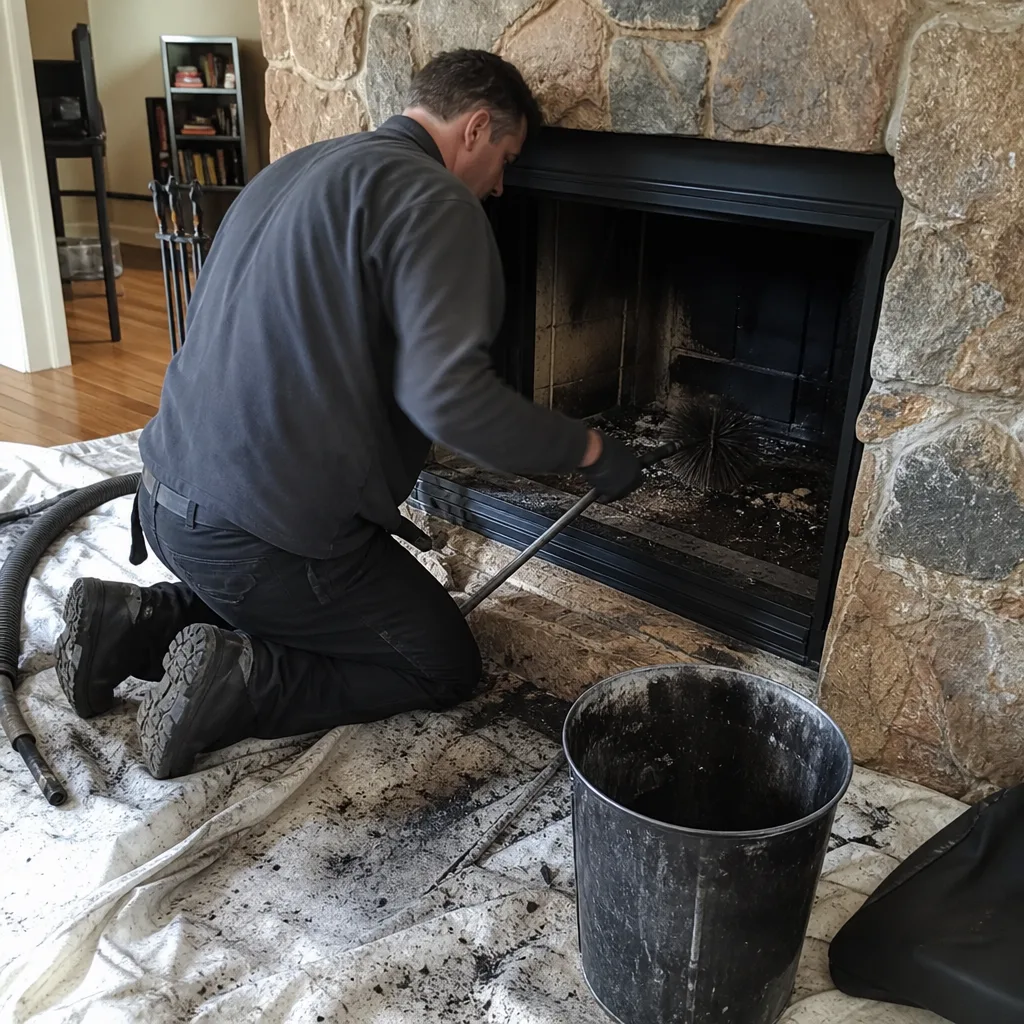
A chimney camera, called a flue scope, is a cable-mounted lens and light that runs the entire length of the flue from the firebox to the cap, recording as it goes. This is the tool that separates an estimate from an inspection. In our experience running cameras down chimneys across Ellicott City since 2009, the camera finds a material problem the naked eye missed on roughly four out of every ten homes. Here’s what it catches that a ladder look cannot.
Creosote Classification and Stage
Creosote builds in three stages. Stage-one creosote is a light, dusty soot that brushes away easily. Stage-two creosote is a flaky, tar-like glaze that requires rotary tools to remove and is the stage at which chimney fire risk becomes real. Stage-three creosote is a hardened, shiny glaze that can seal a flue and burn like a candle for an extended period. The camera tells us which stage you have and where it’s concentrated. Soot on the firebox wall tells you almost nothing about what’s coating the middle third of the flue where temperatures peak.
Spalled Flue Tile
Many Ellicott City homes built between 1970 and 2005 have clay tile flue liners. Freeze-thaw cycles and flue fires cause the interior face of those tiles to pop off, leaving gaps where heat, gas, and moisture reach the chimney’s structure. Spalled tile is invisible from the roof, and it’s the most common reason a home fails an inspection before a sale. A camera scan finds it in minutes and gives you a photo you can look at with your own eyes.
Animal Blockages and Nests
Raccoons, squirrels, chimney swifts, and even large birds build nests between the cap and the first bend of the flue. A partially collapsed nest may not fully block airflow, but it is a fire load sitting in the flue and a barrier that traps carbon monoxide from gas appliances. The camera shows whether the flue is clear or carrying a nest you can’t see from either end.
Liner Joint Separation
Clay tile liners are stacked sections. Water intrusion and poor original installation cause joints to open over time. A separated joint lets flue gases, including carbon monoxide, into the chimney chase or wall cavity. This is one of the findings that changes a recommendation from “sweep and use” to “liner replacement before you burn again.” Camera footage makes that call defensible and specific.
Smoke Chamber Condition
The smoke chamber is the tapered section above the firebox that funnels smoke into the flue. It’s built of corbelled brick and is rarely parged properly, which means rough surfaces catch creosote and resist cleaning. The camera documents whether the chamber is smooth and safe or rough and loaded. Most owners have never heard of the smoke chamber until they see it on the screen.
None of this is visible from a ladder. Which is why the camera scan is the centerpiece of what a proper maintenance plan should use. This is also why we made the camera scan part of every visit years ago and never treated it as an add-on line item. Clause 4 of the Haven Standard requires a documented photo record on every job, and that record starts with the camera’s view of the flue.
Annual Maintenance Tasks by Fuel Type
Not every chimney needs the same calendar. Fuel type changes what accumulates, what degrades, and how often the flue should be cleaned. Here’s the Ellicott City-specific schedule, broken down by what actually burns in the firebox.
Wood-Burning Fireplace or Stove: Sweep Annually
Wood smoke deposits creosote every time you burn. Even a season of occasional fires in a Patuxent watershed home with humid air produces enough stage-one and stage-two buildup to justify a sweep before the next burn season. See The Complete Guide to Chimney Cleaning in Ellicott City for a full breakdown of the process. Schedule the sweep in late summer or early fall, after the Maryland humidity drops and before the first fire. If you burn more than two cords per year or burn softwoods like pine, a mid-season sweep is prudent too. The National Fire Protection Association recommends a sweep whenever creosote accumulation reaches 1/8 inch. We find that threshold gets crossed in one season for most Ellicott City wood burners.
Gas Log Fireplace or Insert: Annual Inspection, Sweep as Needed
Gas appliances don’t produce creosote, but they do produce acidic condensation that eats at masonry and metal over time. The annual task here is an inspection of the liner, the gas line, the log set, and the venting path. Gas logs that burn yellow flames instead of blue, soot on the ceramic logs, or a smell of gas when the unit cycles on are all reasons to have it looked at sooner. A gas insert in a formerly wood-burning flue also needs the old creosote cleaned out before the gas unit is installed and used, because leftover creosote can ignite from the heat of a gas appliance left running for hours.
Oil Flue: Annual Sweep, No Exceptions
Oil furnaces and boilers vent through the chimney and produce sulfur-rich soot that attracts moisture and corrodes flue liners faster than wood smoke. An oil flue in Ellicott City should be swept annually, ideally as part of the furnace’s annual service. A restricted oil flue pushes carbon monoxide back into the house, and since oil units often run in basements where people don’t spend time, the buildup gets missed until a CO detector catches it or a service tech flags it. This is a combustion-safety item, not a cosmetic one.
If you need Chimney Repair in Ellicott City after an inspection finds liner or masonry problems, the repair should follow the cleaning, not precede it. Cleaning first gives the repair tech a clean surface and a clear view.
Every-Three-Year Tasks and Why They Matter
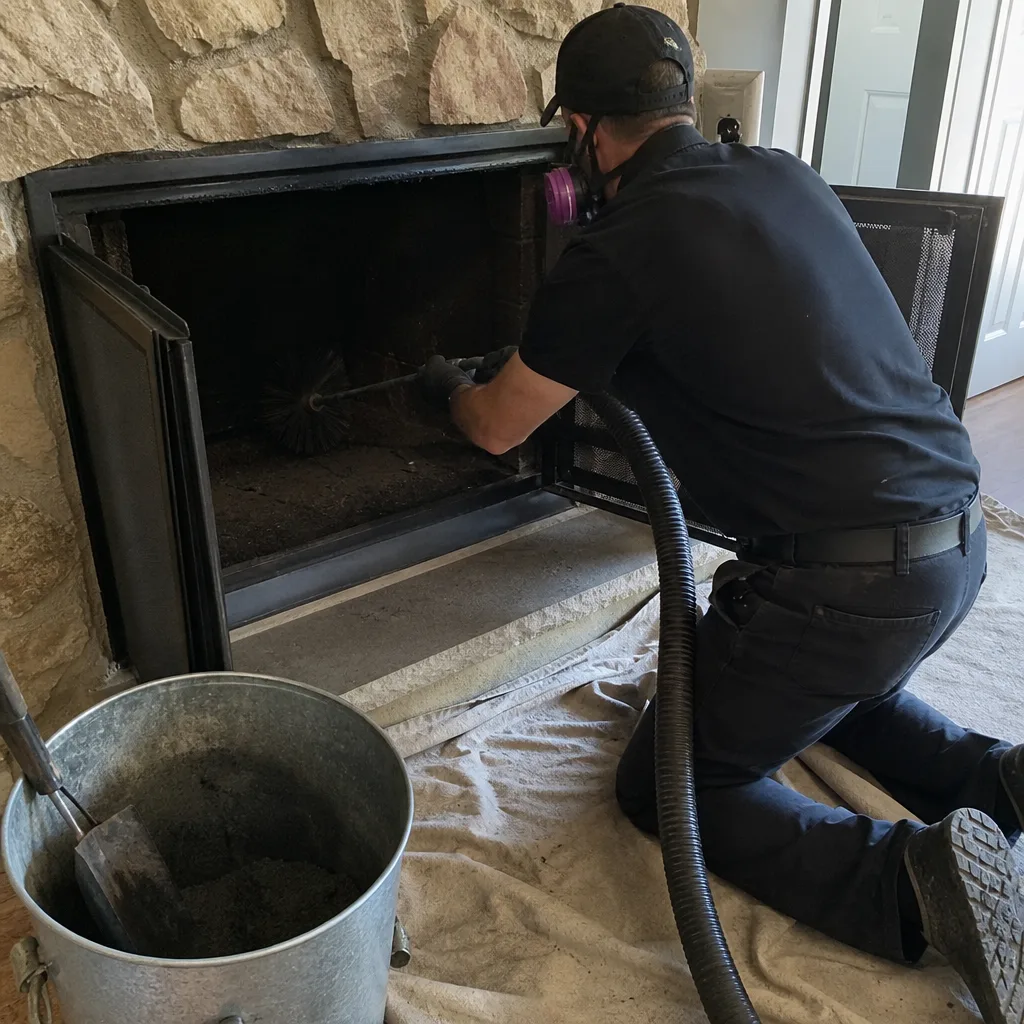
Three years is the interval where camera documentation earns its keep. Here’s what belongs on the every-three-year list, regardless of fuel type.
A Full NFPA 211 Level 2 Camera Inspection
The Level 2 inspection is the standard for chimneys where use has changed, a weather event has occurred, or a sale is coming. But even absent those triggers, a camera scan every three years catches early-stage problems while they’re still line items rather than projects. Spalled tile, hairline crown cracks, deteriorating mortar joints, and liner shifting all develop over multi-year windows. A three-year camera record shows change over time, which is more useful than any single snapshot. For Ellicott City homes, the three-year mark tends to coincide with a freeze-thaw cycle that has worked on the crown and flashing enough to leave evidence. Catching it at three years means repointing instead of rebuilding.
Chase Top and Flashing Reseal
On factory-built and framed chimneys, the metal chase top is the flat cover over the chimney’s framing. The sealant around it and around the flashing degrades on a predictable Maryland schedule. Every three years, a tech should assess the chase top for rust-through, the sealant for cracks, and the flashing for lifted edges. Replacement sealant is a $150 to $400 line item. A rusted chase top that lets water pour down the flue chase and into the ceiling is a $1,500 to $3,000 repair. The math argues for the three-year check.
Smoke Chamber Parging Assessment
The smoke chamber’s parge coat, a smooth mortar layer applied over the corbelled brick, breaks down from heat cycling and cleaning abrasion. Every three years, the camera should look specifically at the chamber, not just the flue above it. A chamber that needs reparging reads on the camera as rough, cracked, and dark. Parging restores a smooth surface that moves smoke efficiently and resists creosote buildup. It’s a fraction of the cost of full liner replacement and extends the life of the entire system.
Ellicott City-Specific Maintenance Triggers
Ellicott City sits in a specific climate band that attacks chimneys in ways a generic national checklist won’t name. Here are the local conditions that should move tasks up your calendar.
Freeze-Thaw Flashing Damage from Maryland Winters
Maryland winters cycle around the freezing point more than they stay below it, which is harder on chimney materials than a steady Minnesota freeze. Water gets into the small gaps in sealant, freezes and expands, then thaws and leaves the gap wider. After enough cycles, the flashing lifts, the sealant fails, and water enters the roof system. We see more flashing failures in Ellicott City after winters with repeated freeze-thaw cycles, not after the coldest winters. The spring after a freeze-thaw-heavy winter is when you check the flashing, not whenever the calendar says “annual.”
Humidity-Driven Mortar Erosion in the Patuxent Watershed Corridor
Ellicott City sits in the Patuxent River watershed, and the ambient humidity here keeps masonry damp for more of the year than it does in drier parts of Maryland. Damp mortar holds salts and acids from rain, and those slowly eat at the lime binder that holds the mortar together. The result is soft, sandy joints between bricks that crumble under finger pressure. Homeowners in river-valley neighborhoods like Oella, Westchester, and the historic district along Main Street see this faster than homes on higher ground. An annual check of mortar joint condition, especially on the chimney’s upper third, catches erosion before the brickwork starts to move.
Storm and Microburst Aftermath
Ellicott City takes hard weather, and not just the flooding that makes the news. Wind-driven rain from spring and summer storms tests the cap, crown, and flashing in a single afternoon. After any storm with wind strong enough to break branches, check the cap for denting or displacement, the crown for fresh cracks, and the flashing for lifted sections. A branch that hits the cap doesn’t always leave a visible dent from the ground. If you’re not sure, a quick camera check or a roof-level look from a tech confirms what the eye from the yard can’t.
Historic Home Considerations
Ellicott City’s historic core includes homes with chimneys built with softer brick and older lime mortar that don’t tolerate modern Portland cement patches. Patching an 1800s chimney with standard mortar can cause the brick faces to spall because the patch is harder than the brick and traps moisture differently. Historic homes in the Ellicott City district need a maintenance approach that respects the original materials. If your home is in the historic district, mention that when you call a chimney company, because the approach to repair should account for it.
The Photo Record: What to Keep and Why It Matters at Resale
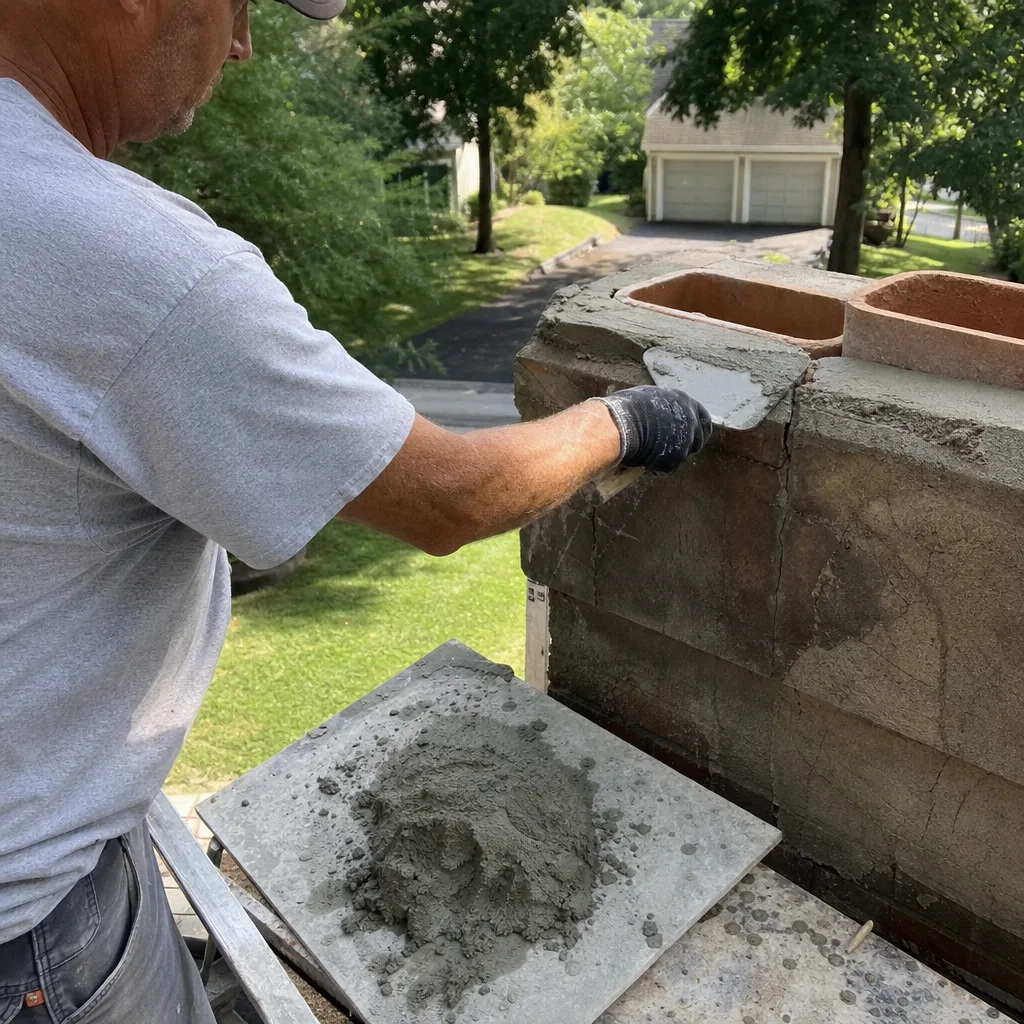
You’d keep a record of every roof replacement and furnace service. A chimney is a fuel-burning system inside your home, and it deserves the same file. Here’s what to keep and what it does for you when the house goes on the market.
What to Photograph and File
- Pre-cleaning camera stills of the flue interior. These documents the condition before the sweep. If the camera finds stage-two creosote, spalled tile, or a deteriorated liner, the stills are the evidence.
- Post-cleaning camera stills of the same sections. Before and after images prove the work changed the condition, not just that someone showed up and billed you.
- The smoke chamber view. Most inspections skip this, and it’s the first thing a home inspector flags. A clean chamber photo is your counter-evidence.
- Exterior shots of the crown, cap, and flashing from the roof level. These document the condition at the time of service, which is useful a year later when you’re asking whether a crack is new or old.
- The written scope and written price for any repair. If work was done, keep the document. If work was recommended and declined, keep that too. It proves you knew about the condition, which matters if a buyer later claims concealment.
- The warranty document for any liner, cap, or crown work. Materials warranties, like those from Gelco or Olympia Chimney products, transfer or at least document the home’s history. Buyers ask.
Why the Photo Record Matters at Resale
Maryland home inspectors are not chimney specialists. Most will note what they see from the roof and recommend a Level 2 inspection if they see anything uncertain. When that recommendation lands in a buyer’s report, the buyer either asks for a credit or asks you to prove the chimney is sound. If you have a dated photo record from a camera-scan inspection and sweep, you’re answering the question with evidence instead of a verbal reassurance. We’ve seen this play out in Ellicott City real estate transactions where a seller’s photo file turned a negotiation point into a non-issue. The buyer’s inspector raised it, the seller produced the camera stills and the written scope, and the deal moved. Without the file, the same situation ends in a credit or a rushed inspection with a deadline.
Clause 4 of the Haven Standard requires a documented photo record on every job, and the reason has nothing to do with sentiment. An undated photo or a missing record is no record at all. Level Two Chimney Ellicott City has provided the photo record on every visit since 2009, which means homeowners who’ve used us already have the file when they go to sell. If you’ve used another company and don’t have photos, that’s the question to ask next time: what will I walk away with?
How to Verify a Sweep Actually Ran the Camera
This section is for homeowners who have hired a chimney company and want to know whether they got what they paid for. A sweep that skips the camera can still brush the flue and clean the firebox, and you’d never know the difference from the invoice. Here’s what separates a documented scope run from a billing line item.
Questions to Ask Before the Visit
- “Will you run a camera down the flue, and will I see the images?” The answer should be yes on both counts, without hesitation. If there’s a fee for the camera scan separate from the sweep, clarify what that covers and whether the images are included.
- “What documentation do I get when the job is done?” The answer should include photos, not just a receipt. A written receipt proves payment. Photos prove work.
- “Do you write the price before you start?” This is Haven Standard Clause 1. A written price before work starts is the entire difference between an estimate and a surprise. If the company won’t write it, find a company that will.
- “Who’s coming to my house?” The technician should be named in advance, and the company should run background checks on its crews. You’re letting someone into your home and onto your roof. A named, background-checked tech is a reasonable baseline.
What the Documentation Should Show
After the visit, you should have camera stills that show the flue’s condition at the start and at the end. The images should be date-stamped or at minimum delivered in an email that dates them. A single photo of the chimney from the yard is not a camera scan. A photo of the firebox after cleaning is not a camera scan. A camera scan produces images from inside the flue itself, and you should be able to see the liner surface, the joints, and any findings the tech flagged. If the company calls to say they found a problem, the photos should be attached or available immediately, not “we’ll send those later.”
In our experience, the companies that skip the camera are the ones that quote liner replacement from the roof line. The camera is what separates a specific finding from a vague recommendation. When the camera comes back up, the evidence is on the screen. That’s the standard every sweep in Ellicott City should meet, and it’s the standard we’ve held since 2009.
Fireplace Maintenance Beyond the Chimney
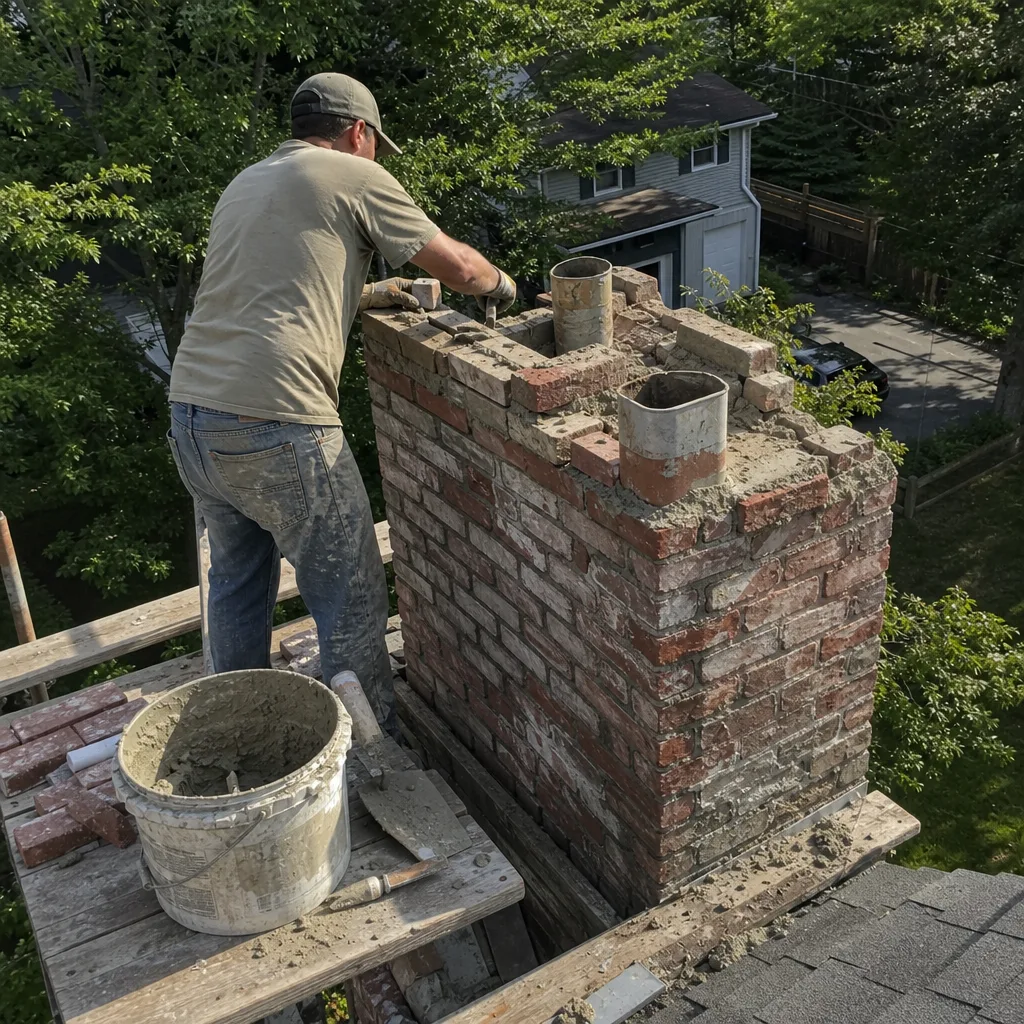
The chimney is the venting system, but the fireplace itself has moving parts and wear surfaces that belong on the checklist too. A chimney can be clean and a fireplace can still underperform or look rough. For most Ellicott City homes, the fireplace-facing items to watch are the damper, the refractory panels, and the glass doors or screen, if you have them. Damper tension and seal were covered in the owner-check section above. Refractory panels are the lightweight firebrick panels lining the firebox walls; they crack from heat cycling and replace individually. Glass doors need their tracks and gaskets checked so they seal when closed. If you’re running a gas insert, the thermocouple, pilot assembly, and log set wear on their own schedule and should be looked at annually even if the flue itself doesn’t need a full sweep. For a walkthrough of what a proper Fireplace Services in Ellicott City visit covers, the scope includes these items as standard, not as upsells.
Common Mistakes to Avoid
- Assuming a clean firebox means a clean flue. The firebox is the one part of the system you can see, and it’s the least important indicator of flue condition. Creosote builds where the smoke cools, which is up the flue, not in the firebox.
- Waiting until a visual problem appears before acting. By the time spalled brick, staining, or a rusted cap is visible from the ground, the issue has been developing for at least a season and often longer. The camera catches it before it becomes visible.
- Patching historic mortar with standard Portland cement. In Ellicott City’s historic district, hard cement patch on soft old brick causes the brick faces to spall. The patch outlives the brick around it and creates a bigger problem than the crack it sealed.
- Treating a chimney sweep as a standalone event rather than part of an annual calendar. A one-time sweep before Thanksgiving is not a maintenance plan. Annual sweeps for wood, annual inspections for gas inserts, and annual sweeps for oil flues are the calendar, not options.
- Not asking for the photo record. If the company can’t produce images after the work, you have no proof the flue was actually cleaned. A receipt is not documentation of condition. A photo record is.
- Ignoring the gas furnace flue because “gas burns clean.” Gas flues fail from acid condensation and animal entry, not creosote. An ignored gas flue is a carbon monoxide path, and the reason every home needs working CO detectors on every floor.
- Skipping the cap and screen because they’re “just parts.” A missing cap is an open invitation to every animal in Howard County, and a blocked screen is a draft problem that makes the fireplace smoke. The cap is the first line of defense, and it costs a fraction of what a nest removal and flue repair costs.
When to Call a Professional
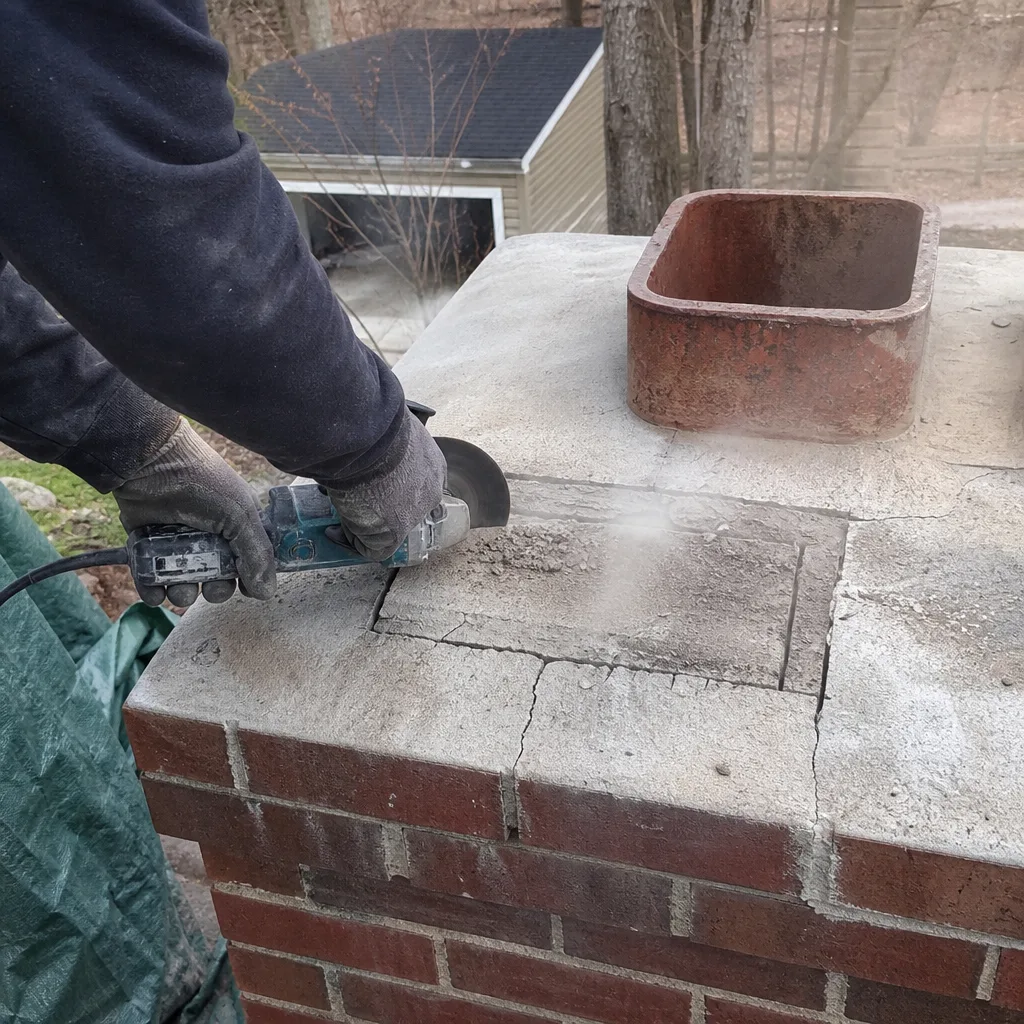
Call when the flue hasn’t been cleaned in over a year and you burn wood. Call when you see spalled brick, crumbling mortar, a cracked crown, or lifted flashing. Call when the damper won’t seal or the fireplace smokes back into the room. Call when a camera scan hasn’t been run in three years or a home sale is on the horizon. Call when the carbon monoxide detector near the fireplace or furnace has gone off, even briefly, and have the flue checked before using the unit again. Call when you’ve bought a house and don’t have the previous owner’s chimney records and don’t know the last time it was swept. In each case, a written price before work starts and a camera-backed inspection give you something to make decisions with. Level Two Chimney Ellicott City home service covers Ellicott City and the surrounding Howard County area, and we offer free estimates at (443) 363-5262. You’ll get a written price, a named tech, and a photo record on every visit.
Frequently Asked Questions
Sweep annually if you burn wood, annually if you have an oil flue, and inspect annually if you run a gas insert. Ellicott City’s humid climate and freeze-thaw winters make this schedule more important here than in drier regions.
A standard chimney sweep and camera-scan inspection in Ellicott City runs from $180 to $400 depending on the flue length, the creosote stage, and whether the job involves a wood-burning, gas, or oil flue. Repairs are quoted separately in writing before any work starts. Call (443) 363-5262 for an exact quote, estimates are free.
Some companies quote liner replacement from the roof line without running a camera, and some homes genuinely need one. The difference is the camera. A camera scan documents the liner’s condition with images you can see, which turns a vague recommendation into a specific finding. If a company quotes liner work without camera evidence, get a second look.
Creosote accumulates in stages, and by year three the flue is typically carrying stage-two buildup that increases chimney fire risk and restricts draft. In Ellicott City’s humid air, the creosote also holds moisture that eats at the liner, compounding the problem beyond the fire risk alone.
A Level 2 inspection is an NFPA 211 standard that includes everything in a Level 1, plus a camera scan of the flue interior, an inspection of the accessible attic and crawl spaces around the chimney, and documentation of the system’s condition. It’s the standard for home sales, after weather events, and after changes in fuel type.
Ask for the camera stills before the visit and look at them after. A proper sweep includes a documented photo record, before and after, that you keep. If the company won’t provide images or asks extra for the camera as a bolt-on, the job wasn’t inspected, it was just brushed. Call (443) 363-5262 if you want to see what a documented sweep looks like.
The Bottom Line
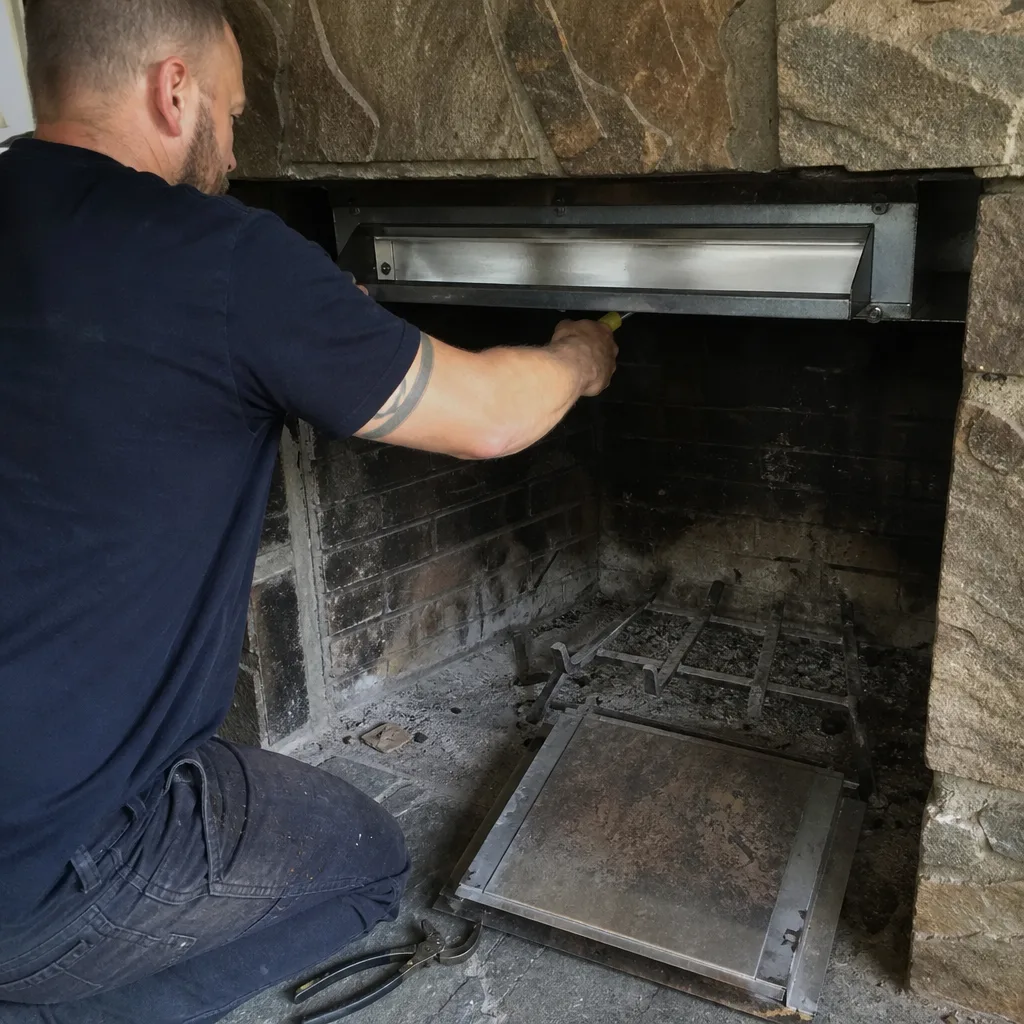
The homeowner’s portion of chimney maintenance is a deliberate, honest list: check the flashing, crown, cap, firebox, and damper on a schedule tied to Ellicott City’s actual weather, not a generic calendar. For more guides & resources, visit our blog. Everything else lives down the flue, where a camera documents what the eye cannot. Sweep annually by fuel type, run a Level 2 camera inspection every three years, keep the photo record, and verify the company you hire runs the scope before you pay the invoice. That’s the checklist that keeps a chimney safe, a home sale clean, and a surprise repair bill off the table. It’s also the entire point of having the work documented in the first place.
Written by Corrine Halstead, Owner at Level Two Chimney Ellicott City, serving Ellicott City since 2009.