
Last updated September 20, 2026
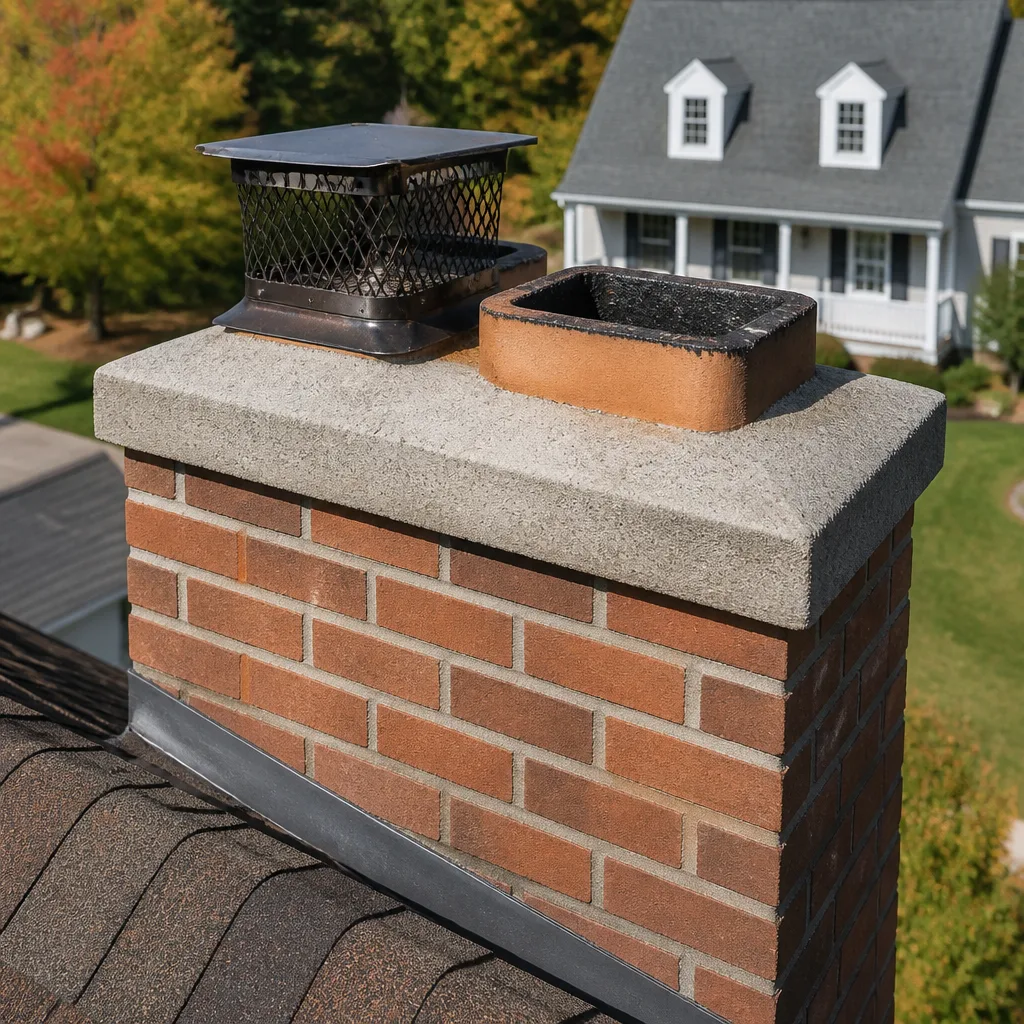
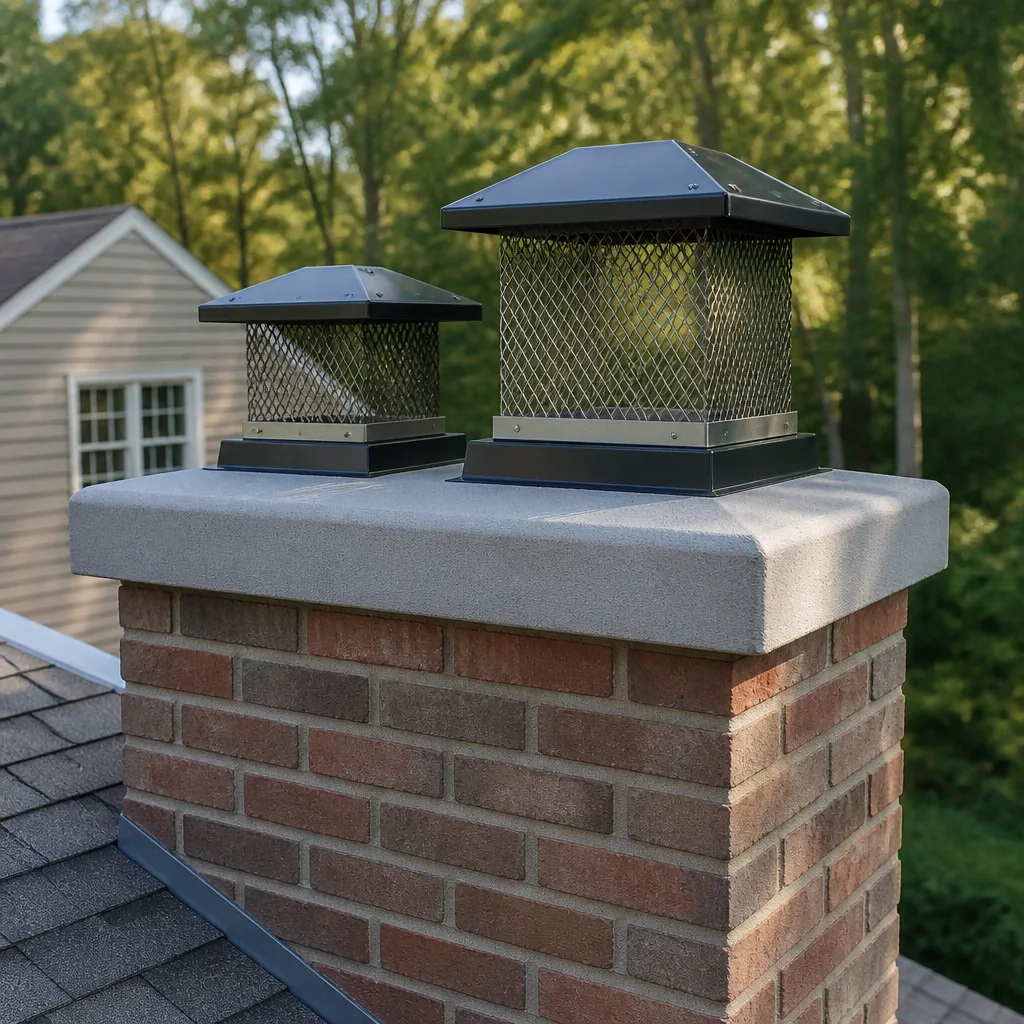
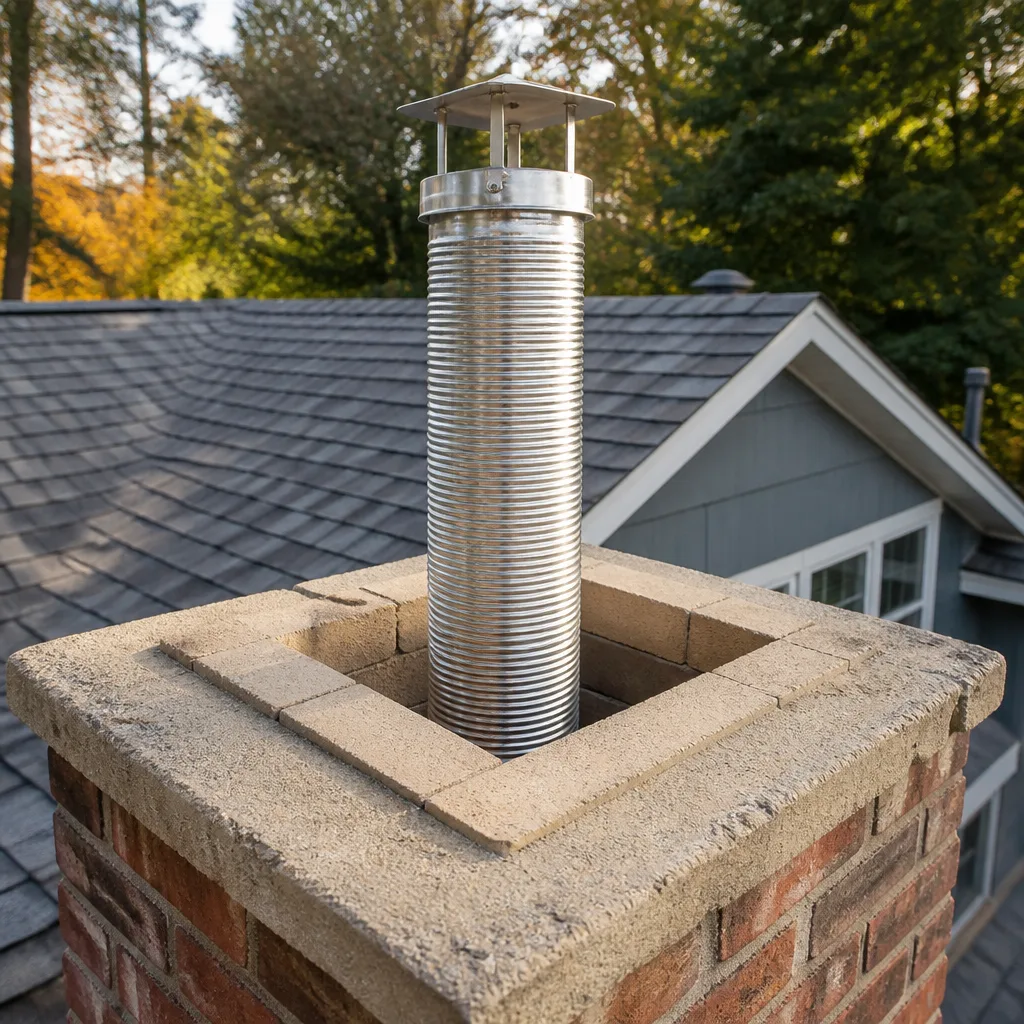
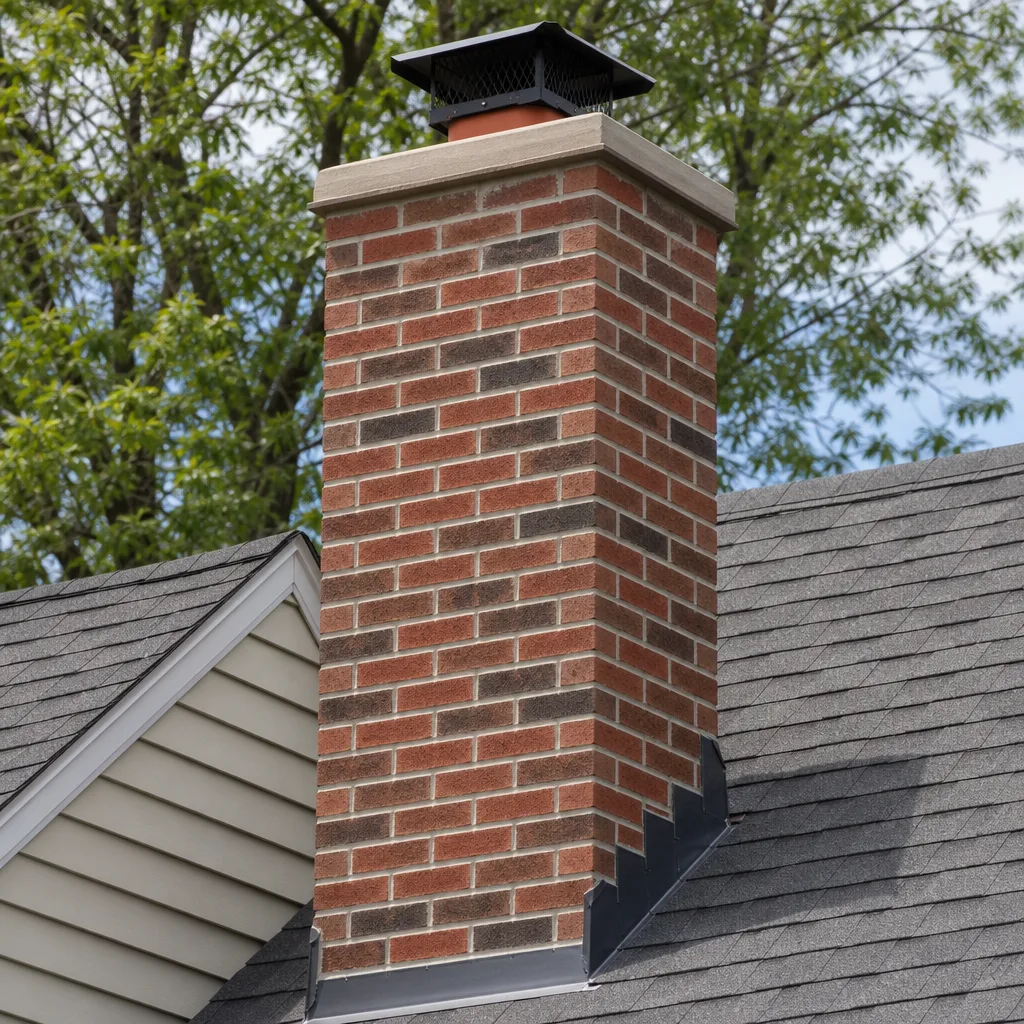
Level 1 sweep and inspection to the NFPA 211 annual standard - flue, crown, cap, and flashing checked and photographed
Chimney sweep logs do not sweep chimneys. They loosen some creosote - which then falls where a brush and vacuum still have to collect it.
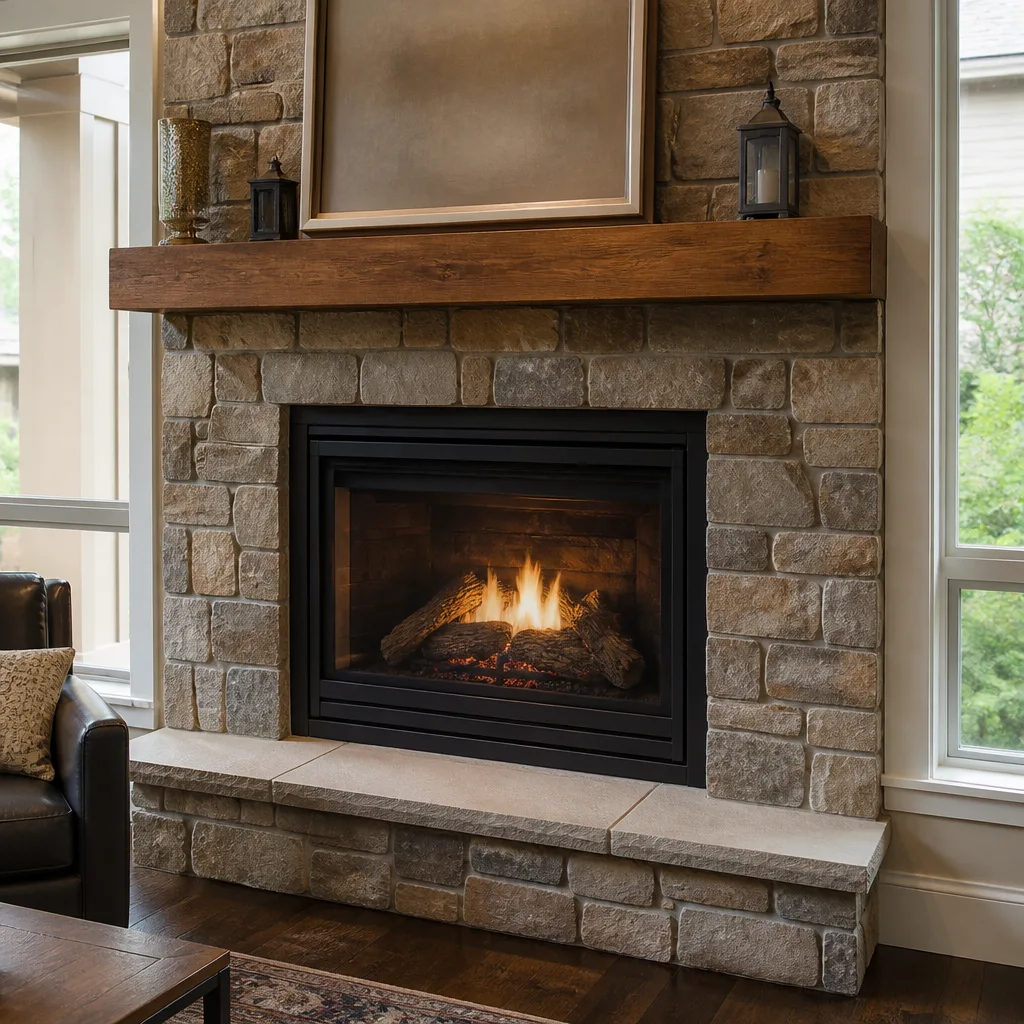
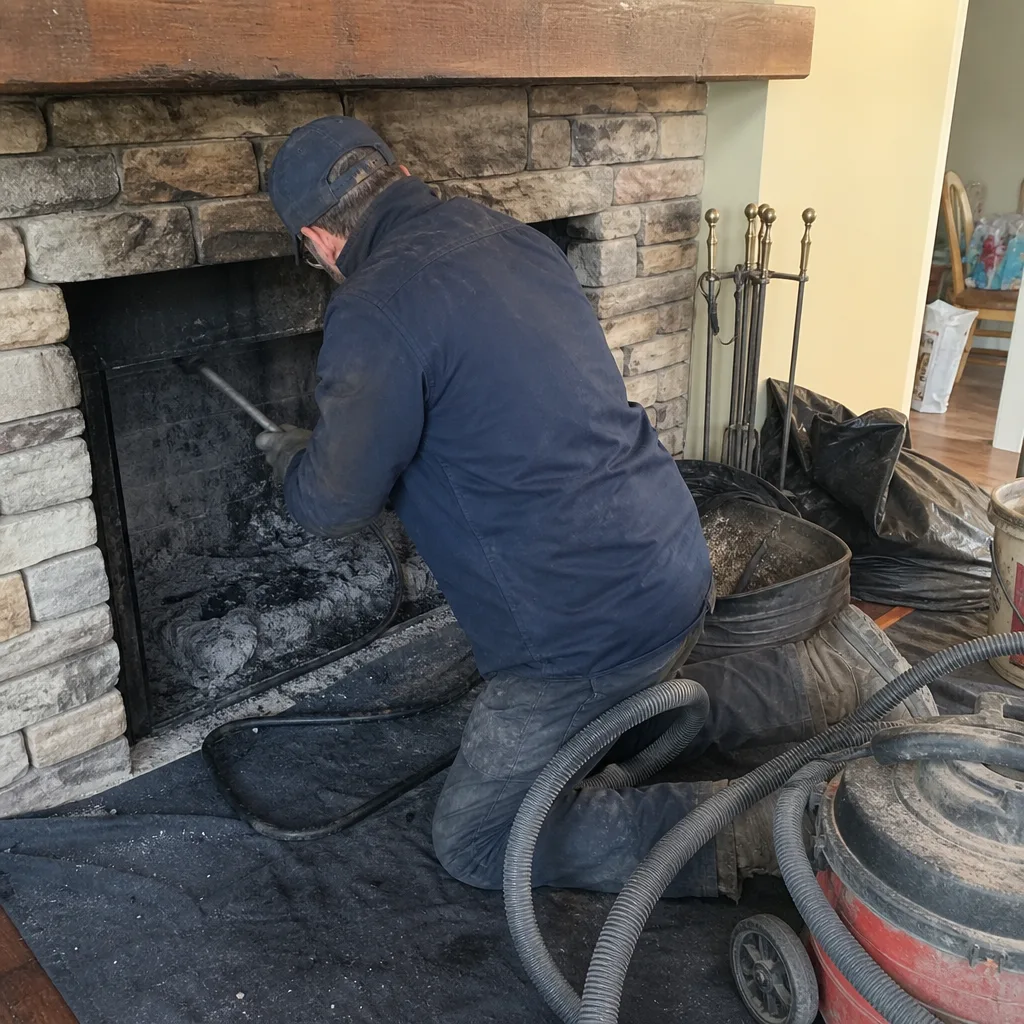 Before
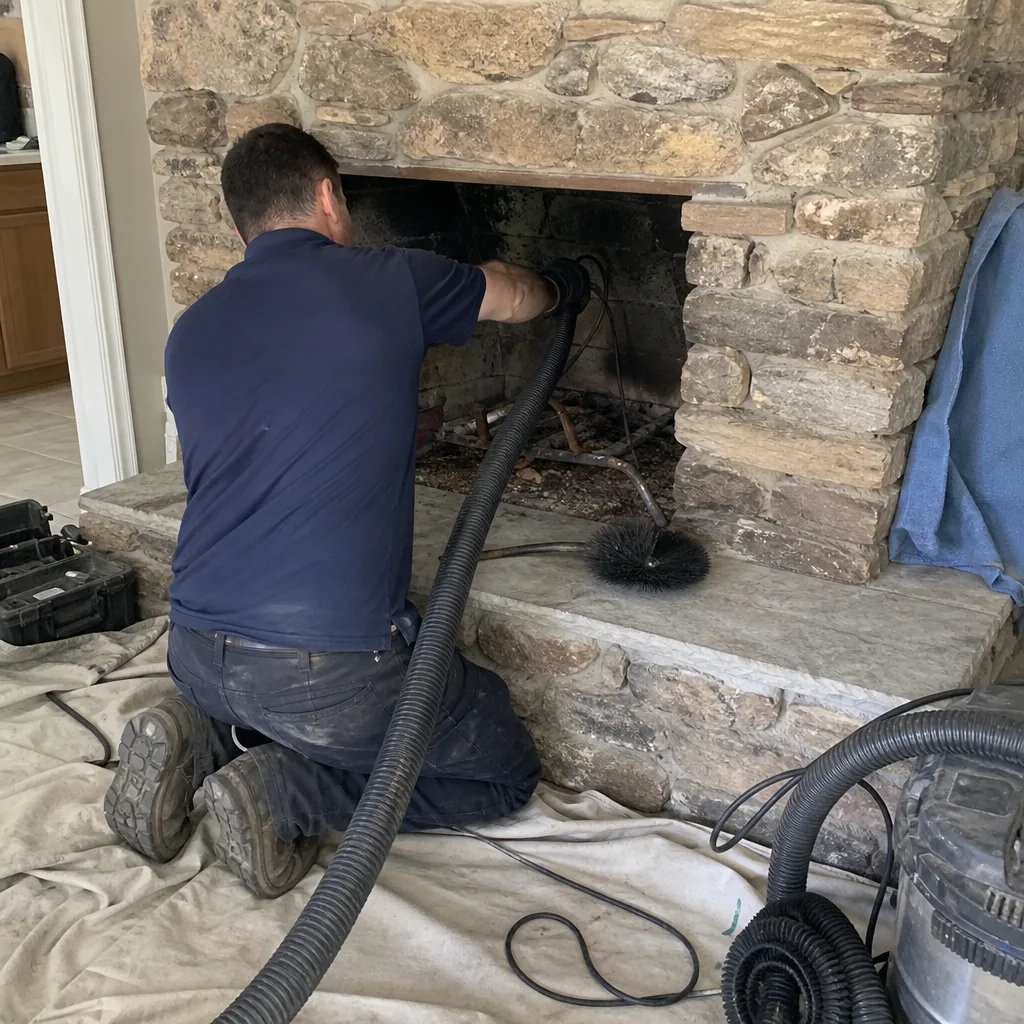 After
After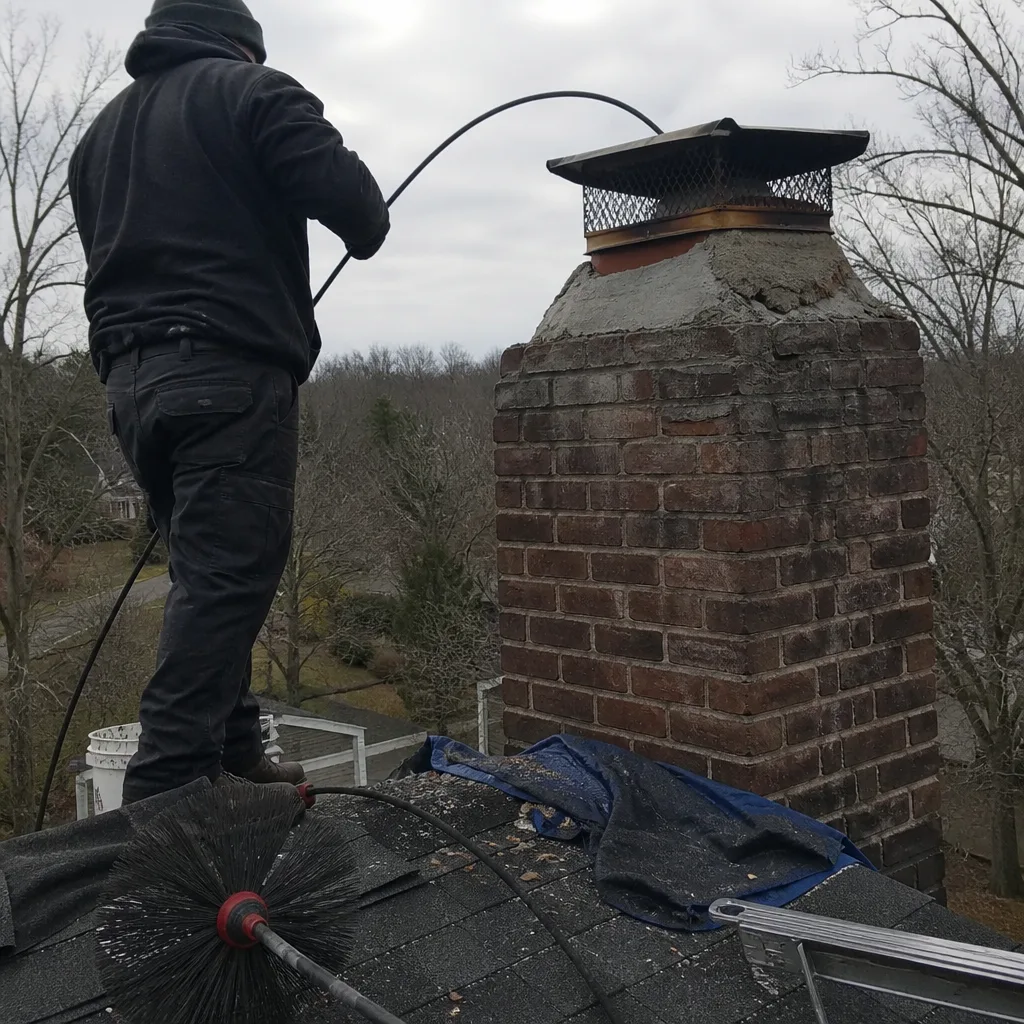 Before
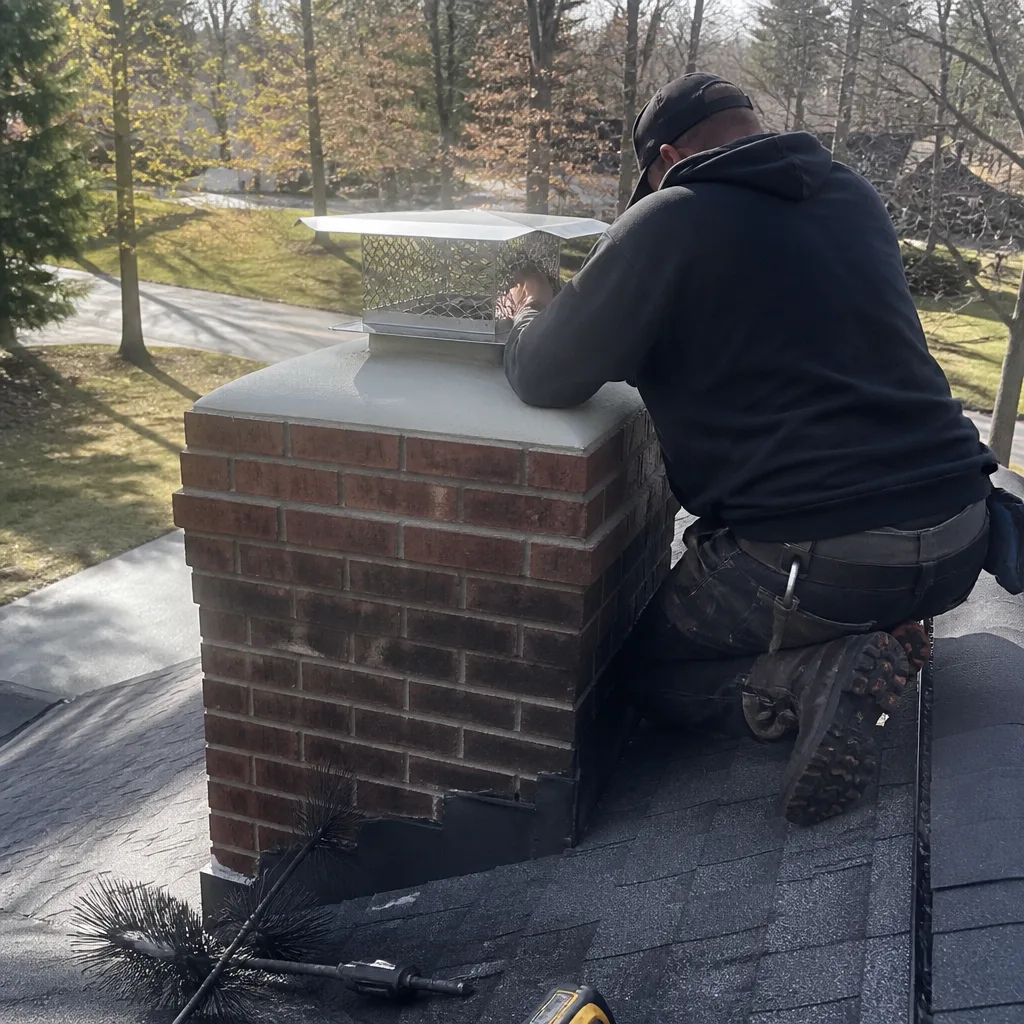 After
After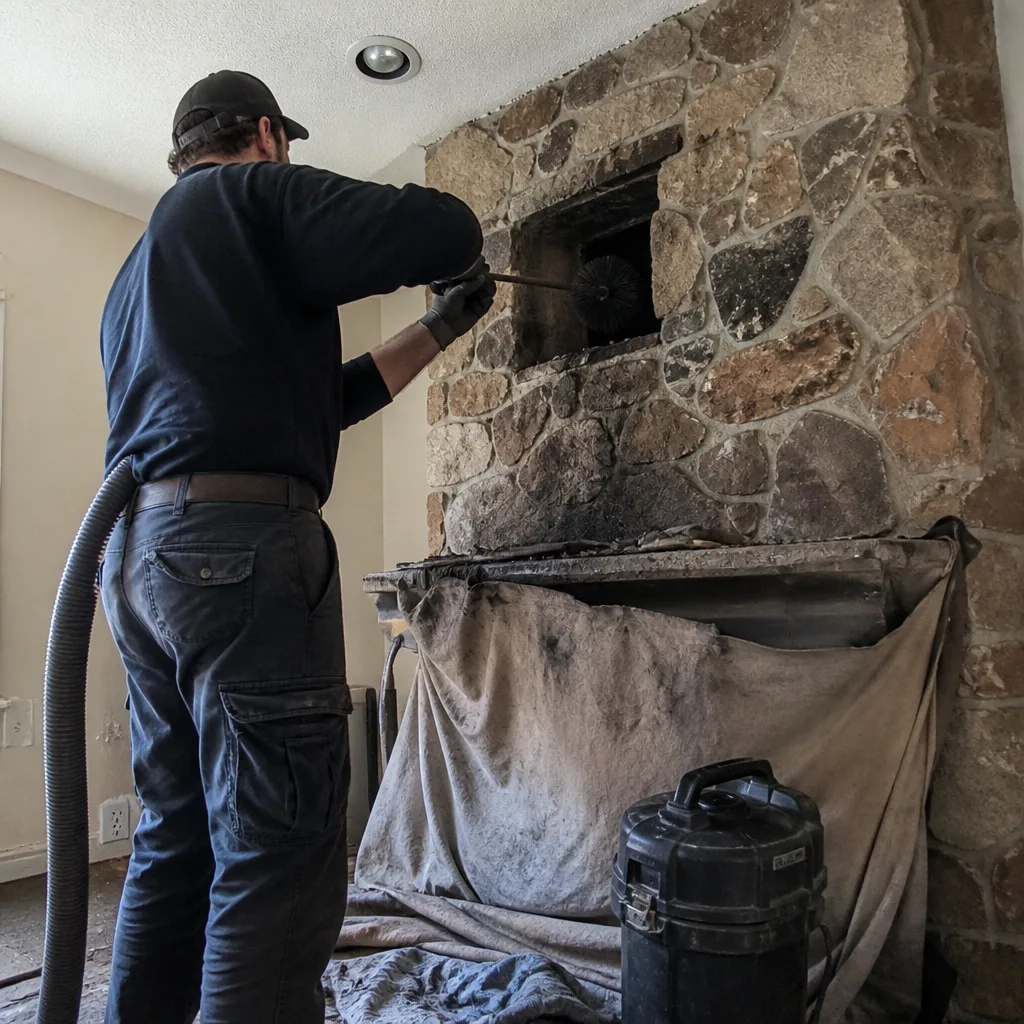 Before
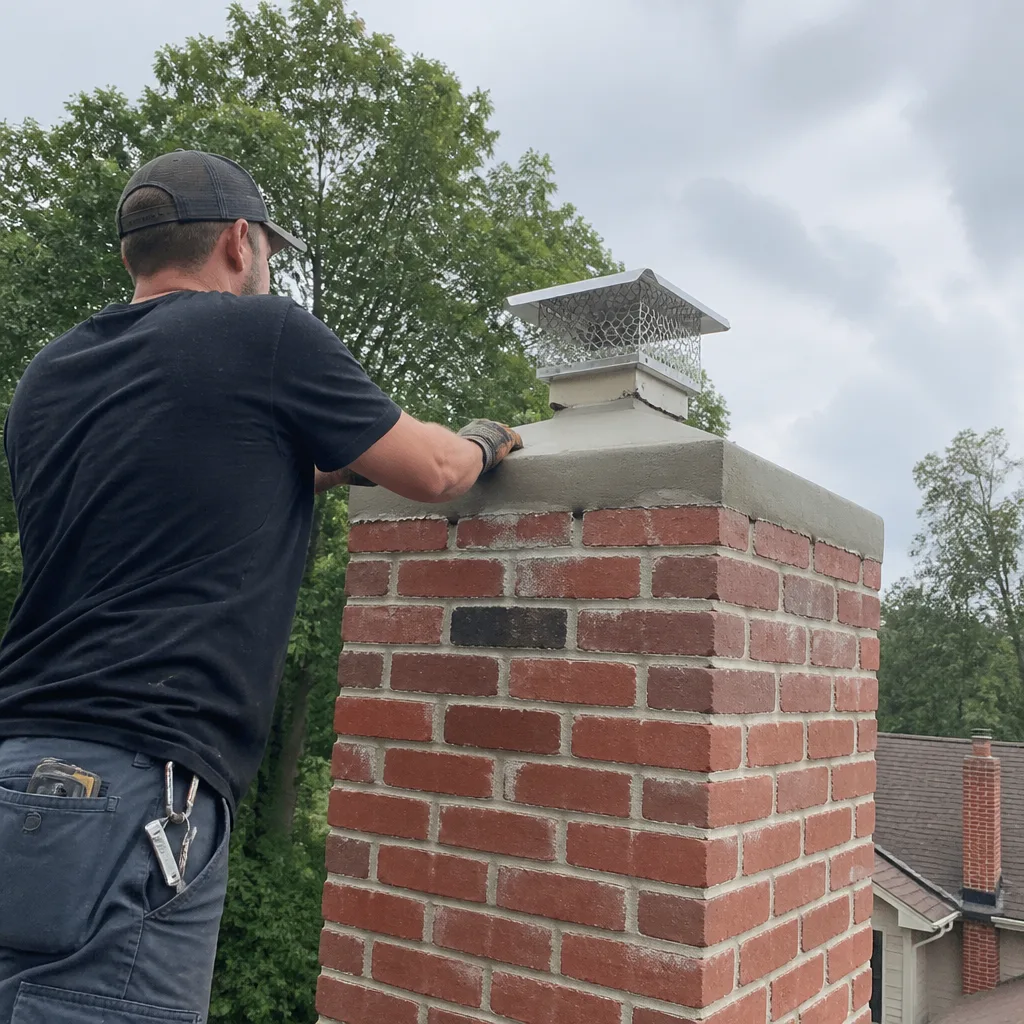 After
AfterHow to Hire a Chimney Cleaning Contractor in Ellicott City: A Step-by-Step Guide
Maryland does not require a state license to clean or inspect chimneys. That single sentence surprises most Ellicott City homeowners, and it explains why hiring a chimney contractor here is harder than it looks. Anyone with a ladder, a brush, and a business card can legally knock on your door and offer to sweep your flue. The only reliable filter between you and a bad hire is the paper trail a contractor produces before, during, and after the job. This guide walks you through that vetting process step by step, so you can hire with the same confidence you’d bring to any other contractor working inside your home. For more guides & resources, visit our blog.
Quick Answer
To hire a chimney cleaning contractor in Ellicott City, request three documents before agreeing to any work: a written scope of work, a written price with no escalation clauses, and proof of liability insurance that names chimney work as a covered activity. Then verify the contractor uses a camera-scan inspection by NFPA 211 Level 2 standards, not just a flashlight look. Skip anyone who won’t put the scope, price, and warranty in writing before starting, and anyone who bundles a “free inspection” into a cleaning price so low that camera work is economically impossible.
Table of Contents
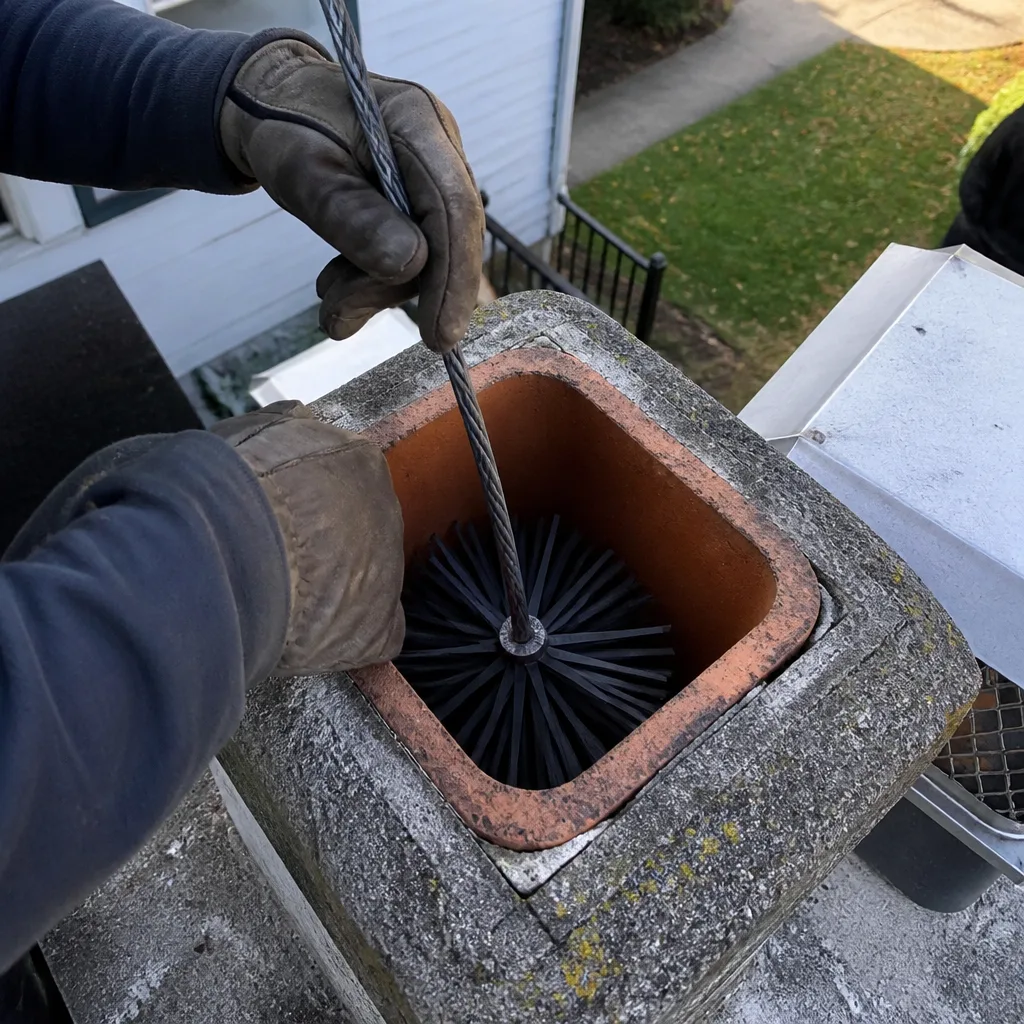
- Understanding Maryland’s Chimney Licensing Reality
- What’s Actually Inside Your Ellicott City Chimney
- Step 1: Request the Three Documents Before Anyone Arrives
- Step 2: Decode Credentials: What CSIA and NFI Actually Mean
- Step 3: Verify the Inspection Method: Camera vs. Flashlight
- Step 4: Compare Quotes Apples-to-Apples
- Step 5: Read the Warranty Before You Sign
- Red Flags Specific to the Ellicott City Market
BeforeAfterUnderstanding Maryland’s Chimney Licensing Reality
Here’s the fact most homeowners learn the hard way: Maryland has no state-level licensing requirement for chimney sweeps. Unlike electricians, plumbers, or HVAC contractors, chimney technicians are not required to pass a state exam, carry a state-issued license number, or demonstrate any minimum competency before accepting payment. The Maryland Home Improvement Commission licenses home improvement contractors generally, but chimney sweeping and inspection falls outside its mandatory categories in practice, and many chimney companies operate without any state credential at all. For details on what rules do apply, read our guide to Chimney Cleaning Permits, Codes & Inspections in MD: What You Need to Know.
What this means for you in Ellicott City: every claim a contractor makes about being “certified” or “qualified” refers to a voluntary program, not a government requirement. Voluntary certifications can be meaningful, and we’ll get into what they actually signify later in this guide. But the burden of verification falls entirely on you, the homeowner. No state agency is screening these companies before they reach your door.
There’s also a secondary factor specific to our area. Ellicott City’s housing stock ranges from 19th-century stone homes near Main Street to 1980s and 1990s construction in Dorsey’s Search and Burleigh Manor, to newer builds in Turf Valley. Each era has different chimney construction methods, liner materials, and common failure modes. A contractor who only knows one era of construction may misread what they’re seeing in another. The paper trail we emphasize in this guide matters because it forces specificity, and specificity is what separates a sweep who knows Ellicott City’s housing stock from one who’s just passing through.
What’s Actually Inside Your Ellicott City Chimney
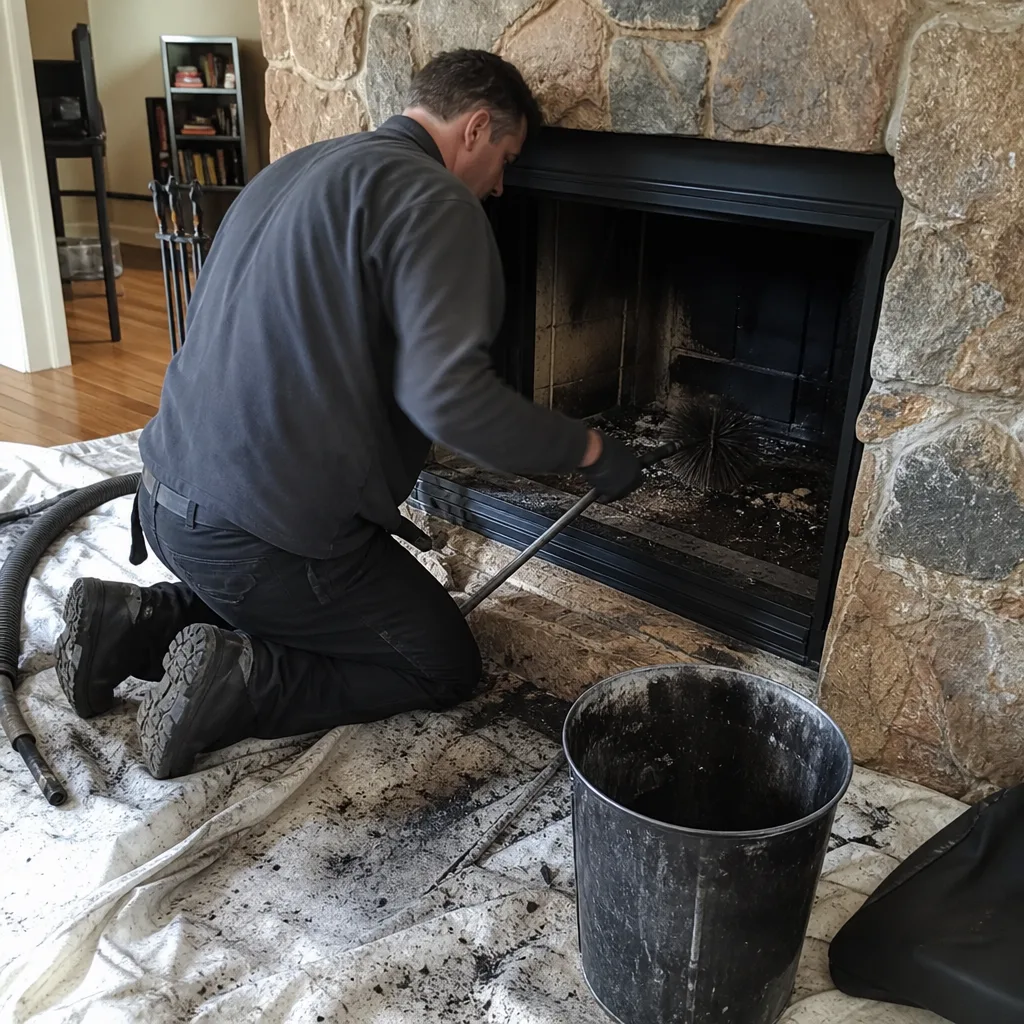
Before you can evaluate a contractor, you need to understand what they’re looking for. Chimney cleaning isn’t about removing dust. It’s about removing creosote, a tar-like byproduct of wood combustion that condenses on the inside of your flue liner as smoke cools. creosote is classified by the National Fire Protection Association into three stages:
- Class I creosote is a flaky, soot-like deposit that brushes off relatively easily. This is what most cleanings address.
- Class II creosote is a thicker, harder glaze that requires more aggressive mechanical removal, often with rotary tools.
- Class III creosote is a hardened, glazed tar that resembles a puddle of black glass. It is extremely difficult to remove and often requires chemical treatment before mechanical removal will work.
In Ellicott City, the local climate makes creosote accumulation a year-round concern, not just a winter one. Our humid summers cause moisture to enter the flue through cracks in the crown or missing cap screens, and that moisture reacts with existing creosote to accelerate corrosion of the liner. Homes near the Patapsco River and its tributaries see more moisture intrusion than homes on higher ground in Waverly or Font Hill. A contractor who understands this will ask about your home’s specific location and ventilation patterns, not just the last time you cleaned the chimney.
The other thing inside your chimney: the flue liner itself. Older homes in Ellicott City often have clay tile liners, which crack under repeated thermal cycling. When a clay liner cracks, it exposes the masonry behind it to heat and combustion gases, which is a fire hazard. Newer construction typically uses stainless steel liners, which resist corrosion better but still require regular inspection for warping or separation at the joints. The inspection method matters because you cannot see a cracked clay liner or a separated stainless joint from the top of the chimney with a flashlight. You need a camera.
Step 1: Request the Three Documents Before Anyone Arrives
This is the single most important step in this guide, and it costs you nothing. Before you schedule any chimney cleaning in Ellicott City, ask the contractor for three documents. If they hesitate, deflect, or say they’ll “bring it to the appointment,” move on. Every legitimate contractor can produce these without difficulty.
Document 1: Written Scope of Work
The scope of work is a plain-language description of exactly what the contractor will do. It should name the service, describe the method, and specify what’s included. For a cleaning, it should say something like: “Clean fireplace flue from top and bottom, remove creosote deposits, inspect smoke chamber, inspect damper operation, provide written report with photos.” Vague language like “clean chimney” or “general service” is not a scope. It’s an invitation to cut corners.
At Level Two Chimney Ellicott City home, we’ve built our entire operation around a written scope delivered before anyone is scheduled. It’s Clause 1 of the Haven Standard: a written price, written scope, and written warranty are delivered before anyone starts, not after the tech is already in your home. H.A.V.E.N. spells it out: Have it in writing. If a contractor won’t do that, what else won’t they do?
Document 2: Written Price with No Escalation Clauses
The written price should be a fixed dollar amount for the scope of work described. It should not include language like “additional charges may apply upon further inspection” or “price subject to change based on condition.” A contractor who can’t tell you what the job costs before seeing it either lacks experience or is planning to find problems once you’re committed.
Pricing transparency is the entire point. The price on the page is the price you pay. If additional work is genuinely needed, that’s a separate conversation with a separate written quote. You should never be in a position where the final number is higher than the number you agreed to.
Document 3: Proof of Liability Insurance Naming Chimney Work
This is the one most Ellicott City homeowners skip, and it’s the one that matters most when something goes wrong. General liability insurance is not automatically sufficient. You need to see the policy or a certificate of insurance that names chimney cleaning and inspection as covered activities. Many contractors carry policies for general handyman work that exclude chimney work specifically, because chimney work carries fire liability risk that insurers price separately.
Ask for a certificate of insurance naming the contractor, the policy number, and the activity covered. If it says “general contracting” but not “chimney,” ask whether chimney work is explicitly included. If the contractor can’t answer that question, the policy may not protect you if a fire starts after a cleaning. In our experience, this is the single most common gap in the Ellicott City market.
Step 2: Decode Credentials: What CSIA and NFI Actually Mean
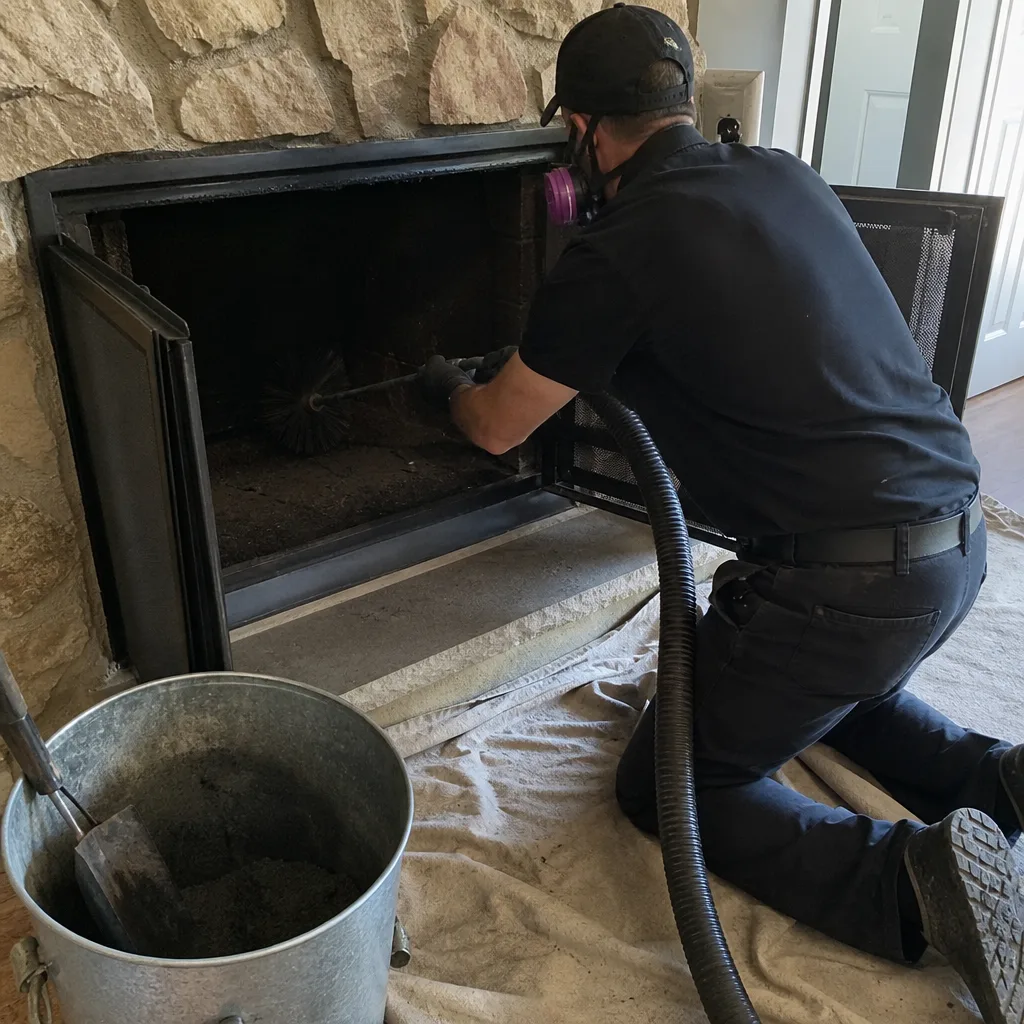
The two credentials you’ll see most often on chimney trucks and websites in Ellicott City are CSIA and NFI. Both are voluntary. Both are meaningful. Neither is a guarantee of thoroughness.
CSIA Certified Chimney Sweep is the most widely recognized credential in the industry. It’s issued by the Chimney Safety Institute of America, an independent non-profit. Certification requires passing an exam covering chimney construction, fire codes, cleaning methods, and safety standards. Certification is valid for three years and requires continuing education to renew. A CSIA credential tells you the technician has demonstrated baseline knowledge. It does NOT tell you that the technician uses a camera, writes a detailed report, or spends more than twenty minutes on the job. Those are company choices, not certification requirements.
NFI Certification refers to the National Fireplace Institute, which offers three credentials: NFI Woodburning, NFI Gas, and NFI Pellet. Each covers installation and service standards for that fuel type. Like CSIA, it’s exam-based and requires periodic renewal. NFI certification is most relevant if you’re having a fireplace installed or serviced, less so for a straightforward cleaning.
Here’s what matters more than any credential: the inspection standard the company works to. The NFPA 211 standard defines three levels of chimney inspection. Level 1 is a visual check of readily accessible areas, done during routine cleanings. Level 2 is required when there’s been a change to the system, a property transfer, or a chimney fire. It includes access to attics, crawl spaces, and basements, plus a video scan of the flue interior. Level 3 involves removing building components to access hidden areas. For most Ellicott City homeowners, Level 2 is the standard you want. It’s the only way to see inside the flue liner without tearing anything apart.
A credential tells you the technician studied for a test. The inspection standard tells you what they’ll actually do at your house. Ask for both.
Step 3: Verify the Inspection Method: Camera vs. Flashlight
This is where the Ellicott City market splits cleanly in two, and where most homeowners lose their leverage. Some companies clean and inspect with a flashlight. Others put a camera down the flue. The difference in what you learn is enormous.
A flashlight inspection can see the top few feet of the flue from the roof and the bottom few feet from the fireplace opening. The middle section, which can run twenty to thirty feet in a two-story home, is a black void. In a mid-century brick home in Burleigh Manor, that’s precisely where clay tile liners crack. In a newer steel-lined home in Turf Valley, that’s where joints separate. You cannot see any of it with a flashlight.
A camera-scan inspection, which is what a proper NFPA 211 Level 2 inspection requires, sends a video probe down the entire flue length. You see the liner condition, the creosote class, any cracks, any separations, any blockages, any animal debris. You see it in real time, and you should receive a photo or video record when it’s done. Level Two Chimney has done camera-scan documentation as the default on every job since 2009, and that practice became Clause 4 of the Haven Standard: a documented photo record on every visit. It’s not an add-on. It’s the job.
Why does this matter for hiring? Because a company that doesn’t use a camera is not actually inspecting your chimney. They’re cleaning it. Those are different services with different value. A cleaning without a camera inspection leaves the most dangerous potential failures invisible. Ask the contractor directly: “Does your cleaning include a camera-scan inspection by NFPA 211 Level 2 standards, and do I receive photo documentation?” A wrong or evasive answer is a red flag. Our Chimney Cleaning & Sweep in Ellicott City service includes it on every visit, no exceptions.
Step 4: Compare Quotes Apples-to-Apples
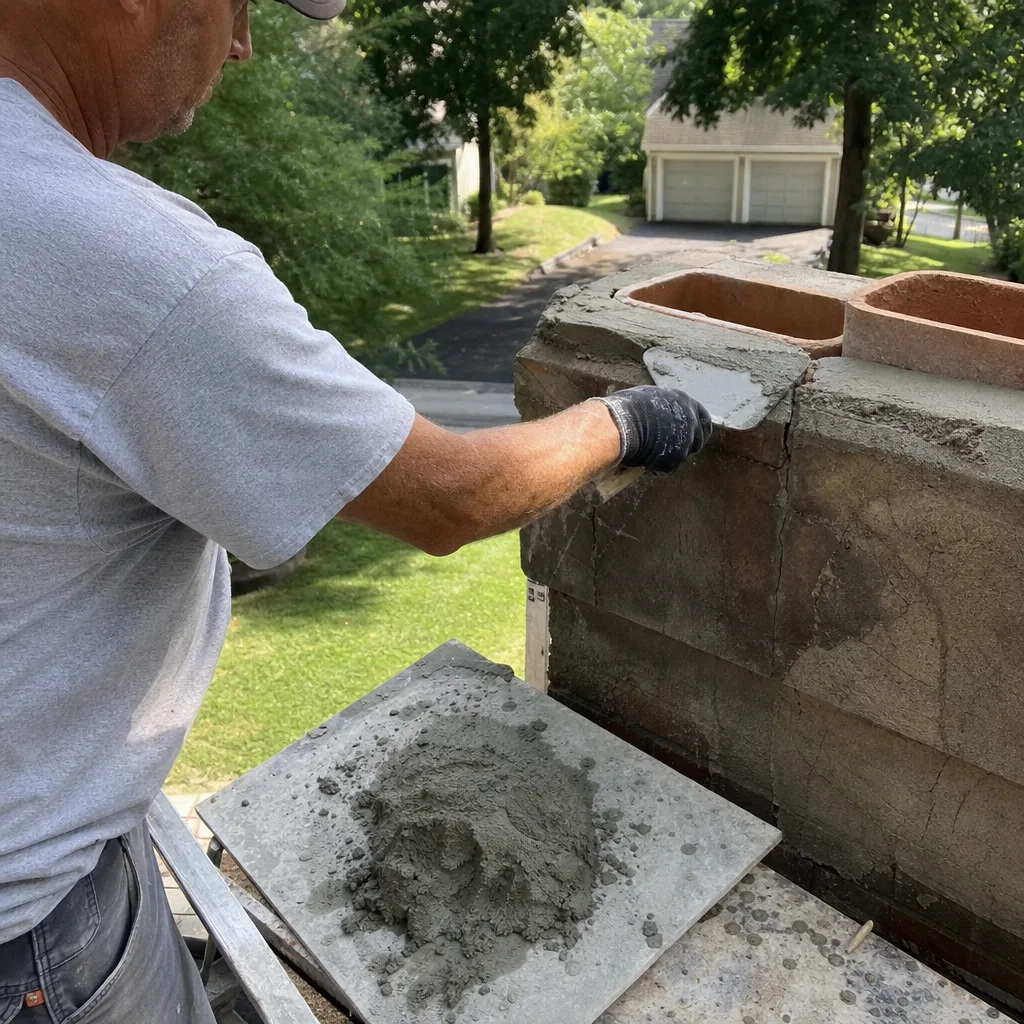
Ellicott City has enough chimney companies that you can and should get multiple quotes. But comparing them is harder than it looks, because contractors describe the same service with different terminology. One company’s “chimney sweep” is another company’s “basic cleaning.” One includes a camera inspection; another charges for it separately. One quotes a flat rate for the flue; another charges by the linear foot. Here’s how to make comparisons work.
First, standardize the service being quoted. For a cleaning, the following should be included in every quote you compare:
- Flue cleaning from top and bottom, not one direction only
- Creosote removal to at least Class II standard, with Class III identified and documented
- Chimney cap inspection and screen condition report
- Crown inspection for cracks or spalling, which is the surface flaking of masonry that allows water intrusion
- Smoke chamber inspection, which is the inverted funnel above the firebox where turbulence causes creosote to build up
- Damper operation check
- Camera scan of the full flue interior with photo documentation provided to you
When you call contractors in Ellicott City, read them this list and ask whether each item is included in their quoted price. If it’s not, ask what the additional charge is. That’s the number you compare, not the headline price.
Second, watch for terminology games. “Certified technician” can mean anything. “Includes inspection” may mean a flashlight glance, not a Level 2 camera scan. “Fully insured” may not include chimney work as a covered activity, as we covered in Step 1. The quote is the contract. Read it literally. If it doesn’t say camera, you’re not getting a camera.
Third, be wary of quotes that come in dramatically below market. A thorough chimney cleaning in Ellicott City takes between one and two hours for a standard single-flue fireplace, and involves specialized equipment: a rotary brush system or rods, a HEPA or negative-air vacuum, and a camera. For a detailed Chimney Cleaning Cost Breakdown: The Ellicott City Homeowner’s Reference for 2026, see our dedicated guide. A company quoting a flat $79 for cleaning plus “free inspection” is not performing the service described above. They’re running a loss-leader to get a body in your home, and the “recommendations” that follow are the real product. The economics of camera work don’t work at that price.
Step 5: Read the Warranty Before You Sign
Most chimney warranties in Ellicott City are verbal. “We stand behind our work.” “If anything goes wrong, call us.” A verbal warranty is worth what it costs to say. What you want is a written warranty, and specifically a written warranty that answers three questions.
How long does it last? A cleaning warranty doesn’t need to be long, because creosote accumulation depends on how often you burn, what you burn, and the climate. Ninety days to one year is typical for the cleaning itself. But if the contractor performs repair work, like a new cap, crown repair, or liner installation, the warranty should specify the duration for that work specifically. DuraFlex and HeatShield liner systems, for example, carry manufacturer warranties that vary by product line. The contractor should tell you which manufacturer warranty applies and put the duration in writing.
What failure does it cover? A warranty that covers “workmanship” covers defects in how the job was performed. If the contractor installed a cap and it blew off in a windstorm because the mounting was inadequate, workmanship covers it. If the cap is still there but the mesh has rusted through after five years, that’s a material failure, and the manufacturer’s warranty applies instead. A clear written warranty distinguishes between these. It may also specify whether it covers re-cleaning at no charge if creosote accumulates unusually fast, which is a useful protection on older Ellicott City homes with draft problems.
How are disputes documented? This is the clause almost no one asks about and every homeowner should. If you and the contractor disagree about whether the work was done properly, what happens next? A well-written warranty specifies that the contractor will re-inspect at no charge, with written documentation of what’s found, and will correct any deficiency covered by the warranty. It may include a time frame: “within 30 days of written notification.” The point is that dispute resolution is documented, not handled over the phone. Write it into the agreement.
At Level Two Chimney, every job carries the 365-Day Done Right Promise: if it’s not done right, we make it right. It’s stamped on every job under the Haven Standard. That’s the standard you’re looking for from any contractor: specific duration, specific coverage, specific resolution process.
Red Flags Specific to the Ellicott City Market
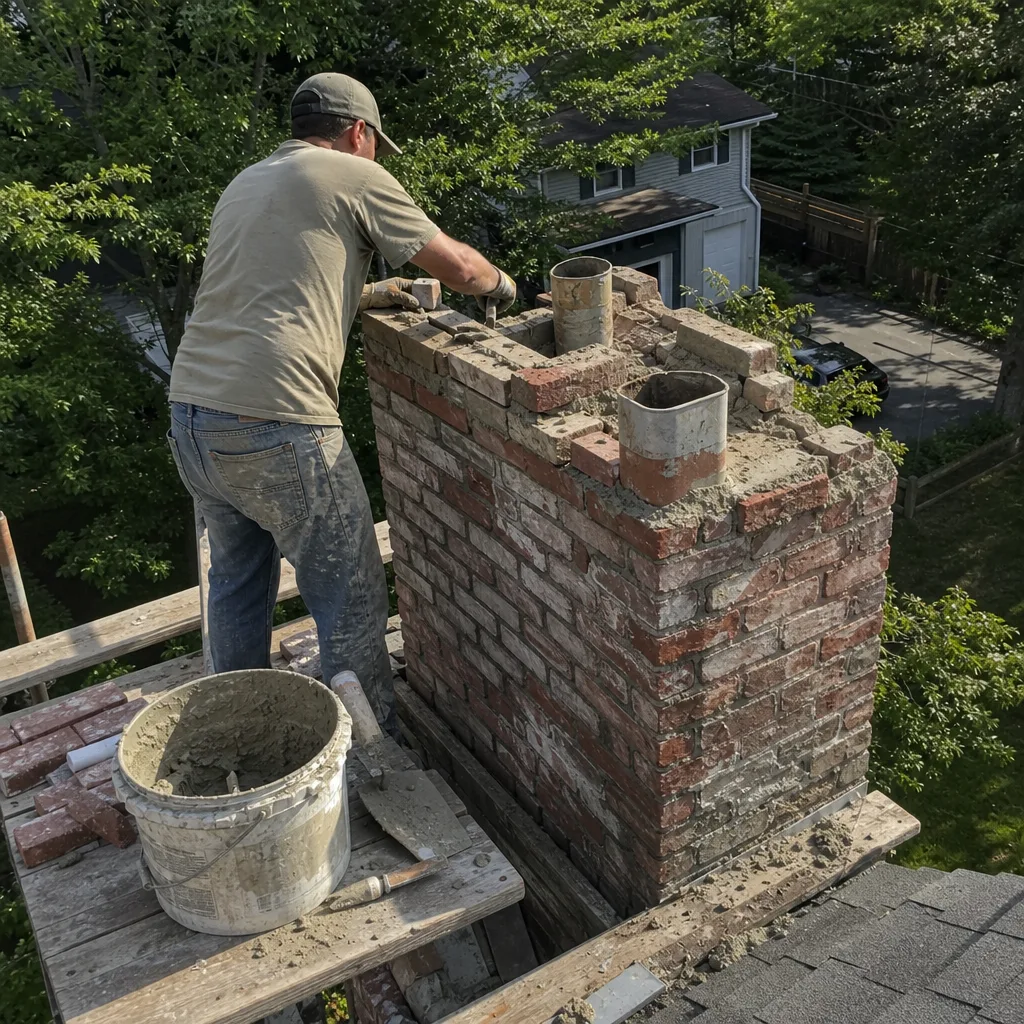
Every market has its patterns. Here are the ones we see repeatedly in Ellicott City, and why they should make you pause.
October door-to-door specials. Chimney companies in Howard County ramp up marketing in early fall, and some still send crews door-to-door in established neighborhoods like Dunloggin and Hollifield. The pitch is usually a flat-rate cleaning at a price that looks too good to pass up. It is. A legitimate chimney company doesn’t need to knock on doors in October; they’re booked weeks out from repeat clients and referrals. Door-to-door chimneysweeps are the single highest-risk hire in this market.
The “free inspection” bundle. Free inspection with a paid cleaning sounds generous. It’s the opposite. A real Level 2 camera inspection takes time and equipment, and no one gives it away. If the inspection is free, it either isn’t a real inspection, or the cleaning price has been inflated to cover it. Ask what the inspection includes. If there’s no camera, it’s not an inspection, it’s a look. Our recommendation: never accept a “free inspection” as a substitute for a paid, documented camera scan. The documentation is the product.
Price escalation on the day of service. This is the one we hear most often from Ellicott City homeowners who call us after a bad experience with another company. The technician arrives, does the cleaning, then finds “significant creosote” or “liner damage” that requires additional work immediately, at an additional cost that was never quoted. Sometimes the finding is real. Often it’s not, or it’s exaggerated. The protection is the written price with no escalation clauses, covered in Step 1. If the quote allows for “additional charges upon inspection,” you’ve signed a blank check.
Credentials without documentation. The truck says CSIA. The website says CSIA. The technician’s name badge says CSIA. But when you ask for the certification number, the story changes. Every legitimate CSIA-certified sweep has a certification number and can produce it. Look it up if you want to verify. Same principle applies to any credential mentioned in the quote: if it’s claimed, it should be written down.
Cash-only pricing. Any contractor willing to discount the price if you pay cash, especially off the books, is telling you something about how they operate. Licensed, insured, accountable companies don’t need cash discounts. You lose the paper trail that protects you, which defeats the entire purpose of this guide.
Common Mistakes to Avoid
- Hiring on price alone. The $99 sweep and the $249 sweep are not the same service. One includes a camera scan, documentation, and a written report. The other includes a brush and a handshake. Price is a data point, not the decision.
- Assuming a license exists. Maryland has no mandatory chimney license. When you ask a contractor if they’re “licensed,” you may be asking a question that doesn’t apply. Ask instead about credentials, insurance, and the written scope.
- Skipping the insurance check. Liability insurance that doesn’t name chimney work is worthless to you. If a fire starts after a cleaning and the policy excludes chimney work, you’re on your own. See the certificate before work starts.
- Accepting a verbal warranty. “We stand behind our work” is a sentence, not a warranty. Get the duration, coverage, and dispute process in writing, on the same document as the scope and price.
- Ignoring what they don’t say. If a quote doesn’t mention a camera, doesn’t specify inspection level, doesn’t say who’s doing the work, those omissions are the most revealing parts of the document. Read for what’s missing.
- Delaying until burning season. Ellicott City chimneysweeps book out in October and November. Schedule your inspection and cleaning in spring or summer, when you have time to compare quotes and don’t feel pressure to take the first available appointment.
When to Call a Professional
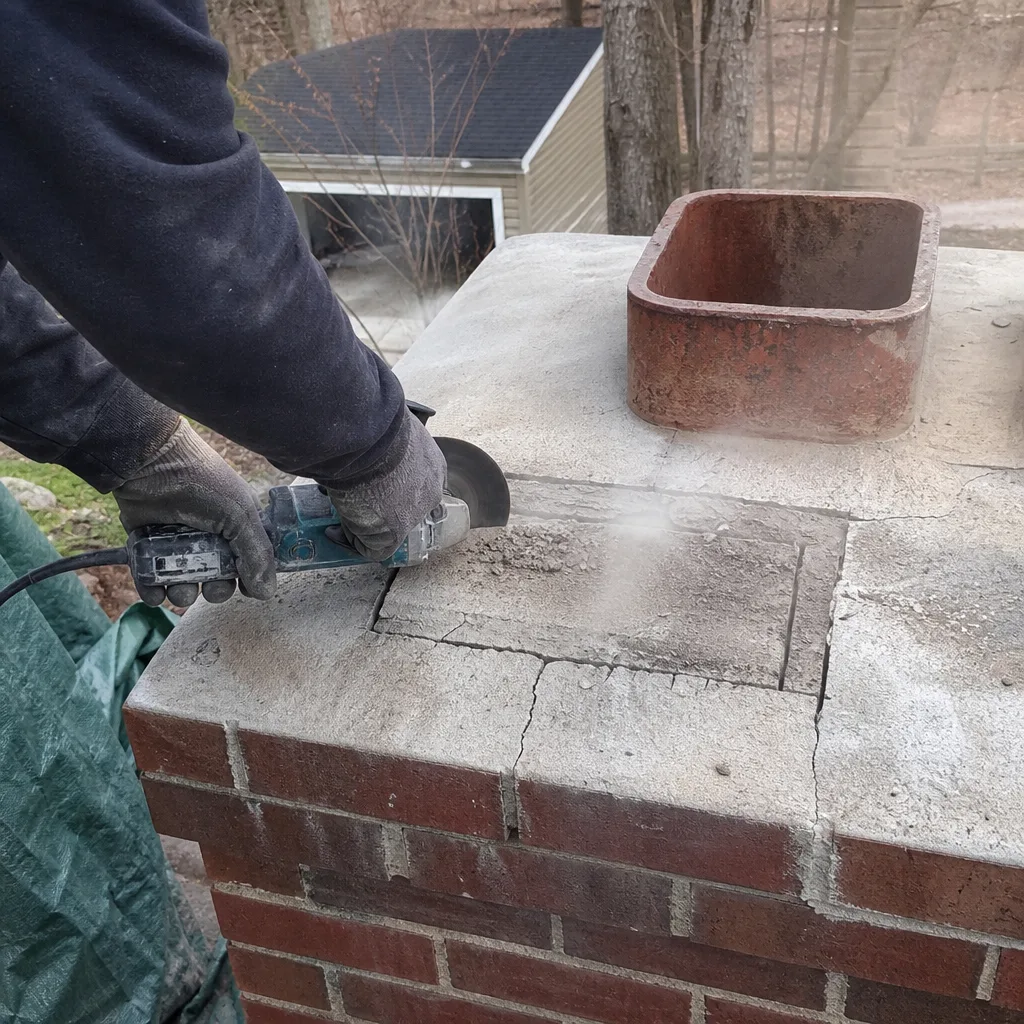
Certain signals should prompt a call to a chimney contractor in Ellicott City right away. A strong smoke smell in the home when the fireplace isn’t in use often indicates a draft problem or a blocked flue. Black stains appearing on the chimney breast or walls around the fireplace may signal water intrusion through a cracked crown or failed flashing. The sound of dripping water inside the chimney, especially after heavy rain that Ellicott City gets regularly, is never normal. If you see flaking brick or mortar on the chimney’s exterior, the masonry is spalling and the weather will continue to degrade it until it’s repaired. If you’ve moved into a home in Ellicott City and have no documented record of the last chimney service, get a Level 2 camera inspection before your first fire. Level Two Chimney Ellicott City offers free estimates in Ellicott City. Call (443) 363-5262 to get a written quote with a documented camera inspection. We also offer a free second opinion on any written estimate you’ve received from another contractor. Bring us the written quote and we’ll review it with you.
Frequently Asked Questions
A thorough chimney cleaning with camera-scan inspection in Ellicott City typically runs $200 to $350 for a standard single-flue fireplace, depending on roof access, creosote classification, and whether any additional services like cap replacement are needed. This reflects the cost of the equipment, the time on site, and the documentation standard. If someone quotes you $79, they are not doing the same service. Call (443) 363-5262 for an exact quote on your home, written in advance, with no escalation clauses.
The NFPA 211 standard says chimneys should be inspected annually and cleaned when creosote accumulation reaches 1/8 inch or more. In practice, most Ellicott City homeowners who burn wood through a full heating season need a cleaning every one to two years. The local humidity accelerates creosote hardening, so if you smell smoke when the fireplace isn’t in use, you’re overdue. An annual inspection tells you whether a cleaning is needed this year or can wait.
A new liner is genuinely needed when the existing liner is cracked, separating at the joints, or corroded to the point of creating a fire risk. It is not needed simply because a contractor says it’s old or “near the end of its life.” The way to verify is with the camera footage. Ask to see the video or photos that show the crack, separation, or corrosion. If the contractor can’t produce that documentation, don’t approve the work. When we recommend liner work, we hand you the evidence from the camera scan and explain in plain terms what we found. The documentation is the proof. If you’ve been told you need a liner and want a second opinion, we review competitor estimates at no charge.
Skipping a cleaning allows creosote to accumulate, which increases the risk of a chimney fire. That’s a documented fact, not a scare tactic: the CSIA identifies creosote as the primary cause of chimney fires, and Class III creosote is literally combustible. If a chimney fire occurs, it can crack the liner and spread to the home’s structure before you ever see flames from the outside. The other risk is a blocked flue, which can send carbon monoxide back into the house. The fix is simpler than the risk, and the cleaning always includes a documented record when it’s done.
A sweep removes creosote from the flue interior. An inspection evaluates the condition of the entire chimney system, which includes the liner, crown, cap, smoke chamber, damper, and masonry. The services are related but not identical. A proper cleaning includes an inspection by a qualified technician, but an inspection can be performed without a cleaning, as when you’re evaluating a home purchase in Ellicott City or a prior job done by another company. Always ask whether the inspection is NFPA 211 Level 2 with camera documentation. If it’s not, it’s not a meaningful inspection of the flue interior.
Yes. We service all of Ellicott City, including historic Main Street homes, Waverly, Font Hill, Dunloggin, Dorsey’s Search, Burleigh Manor, Hollifield, and Turf Valley. Our technicians work from our Chimney Repair in Ellicott City service area across the full city, and every visit includes the same documentation standard: written price before work starts, camera-scan inspection, and a photo record when the job is done. Call (443) 363-5262 for a written quote.
The Bottom Line
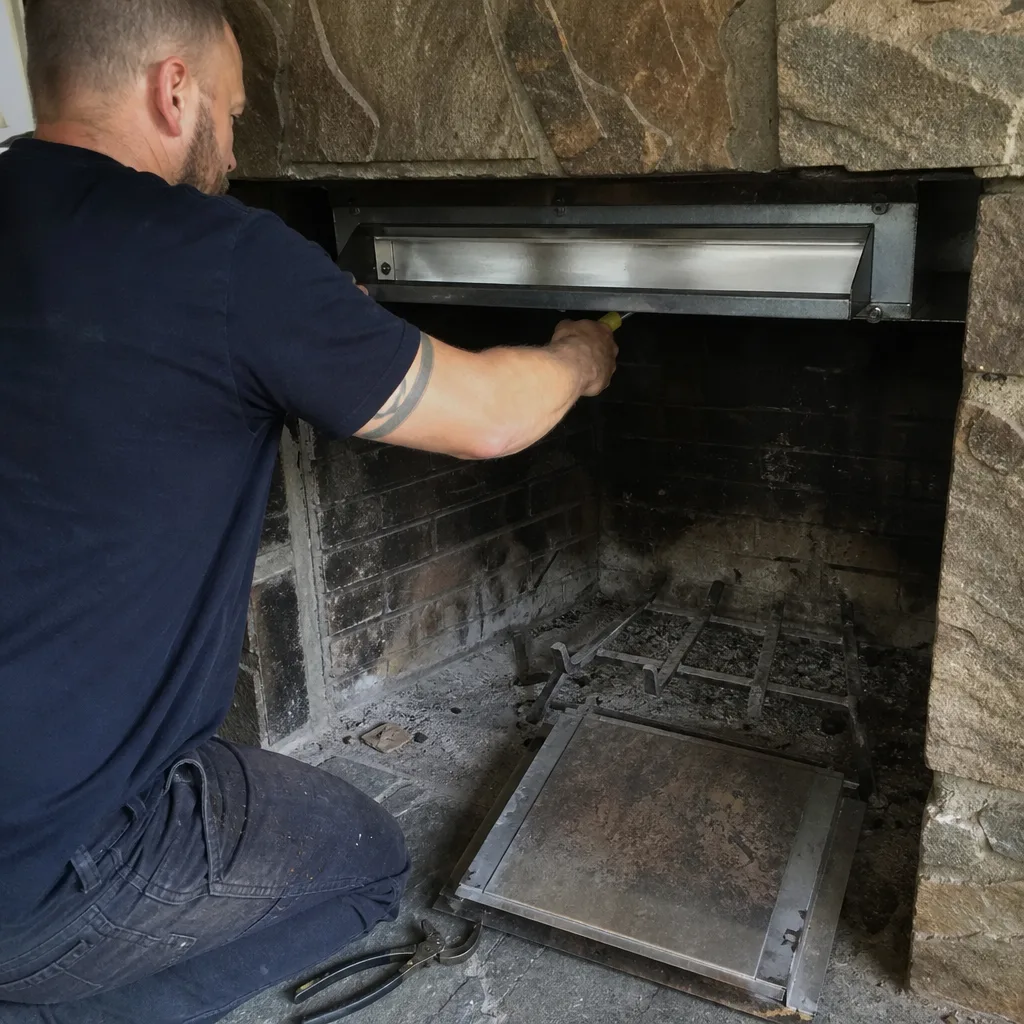
Hiring a chimney contractor in Ellicott City is a test of evidence, not trust. Maryland doesn’t require a license, so you have to require the paperwork instead. Request the three documents: written scope, written price, and proof of insurance naming chimney work. Verify the inspection method is a camera-scan by NFPA 211 Level 2 standards, not a flashlight look. Read the warranty and make sure it’s written, with a duration, covered failures, and a documented dispute process. Compare quotes using a standardized list of inclusions, and walk away from anyone who bundles a free inspection into a price that makes camera work impossible. The best contractor is the one who shows you the evidence and puts everything in writing before anyone starts. Fireplace Services in Ellicott City that meet this standard exist, and you should settle for nothing less.
Written by Corrine Halstead, Owner at Level Two Chimney Ellicott City, serving Ellicott City since 2009.